Cape Town: Accommodation, Attractions and Practical Planning
Cape Town is a triangular gem set between ocean, mountain and harbour. When planning a stay, travellers can mix comfortable city hotels, stylish guesthouses, and vibrant hostels to suit a range of budgets and travel styles. The city’s neighbourhoods each offer a distinct flavour, from the buzzy waterfront and central CBD to the leafy slopes of Constantia and the sandy expanses of the Atlantic coast. A well-planned itinerary can balance iconic sights with relaxed downtime, delicious meals and easy access to transport links.
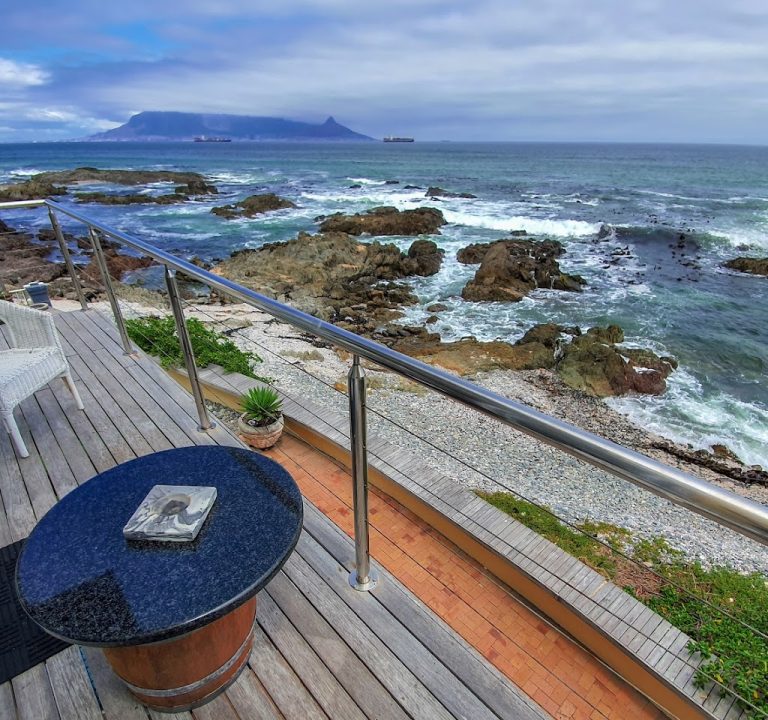
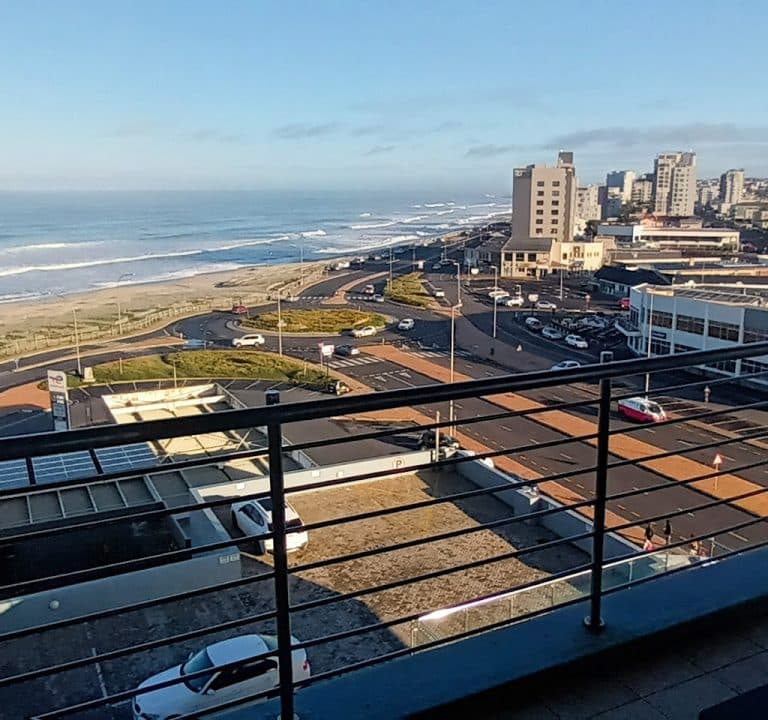
Accommodation options span from boutique hotels with contemporary design to family-run guesthouses that deliver a warm, local welcome. For budget-conscious travellers, hostels and backpacker-style properties provide sociable common areas, shared kitchens and practical conveniences. If you’re seeking a beachfront vibe, there are lodges and guesthouses along the Atlantic seaboard that put easy access to beaches within reach. For travellers craving a dash of luxury, several properties offer panoramic views, refined dining and personalised service. An example of a budget-friendly option in a coastal area is Sunset Beach Backpackers, which can provide a social base close to the Atlantic beaches, subject to availability and season.
Key areas to consider when choosing where to stay:
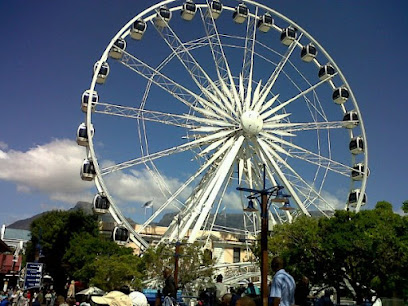
- De Waterkant (V&A Waterfront area): easy access to harbour walks, dining and city sights; convenient for itineraries that include Robben Island and the Waterfront precinct.
- City Bowl and the CBD: compact accommodation clusters, museums, and vibrant dining; walkable to many attractions and well connected by MyCiTi buses.
- Gardens and the central path: leafy streets, easy access to Table Mountain, the Company's Garden and cultural venues.
- Atlantic Seaboard (Green Point, Sea Point, Camps Bay): shoreline scenery, sunset views, and a short ride to the popular coastal walks and markets.
- Constantia Valley: more tranquil, with vineyard-rich countryside nearby, suitable for travellers seeking a slower pace and scenic drives.
What to look for when booking:
- Location relative to your planned activities and transport options. Proximity to MyCiTi bus stops or easy Uber access can save time.
- Type of room and amenities, such as en-suite bathrooms, air conditioning (helpful for warm days), secure parking, and reliable Wi-Fi for planning days on the go.
- Common spaces and kitchen facilities if you enjoy socialising or preparing meals yourself.
- Safety features, including secure access, well-lit surroundings, and nearby well-lit walk routes at night.
- Cancellation policies and seasonal price fluctuations; peak periods in Cape Town can lead to higher rates.
Typical amenities travellers can expect include free Wi‑Fi, daily housekeeping, self-catering kitchens, continental breakfast options, and often a shared lounge or rooftop terrace with views. Some properties offer optional guided tours, airport shuttles, or bicycle rental. When staying near the coast, beach towels and advice on safe swimming areas are useful, while in the city centre you’ll value strong Wi‑Fi and proximity to markets and museums.
Transport and movement around Cape Town are straightforward if you plan ahead. The MyCiTi bus network provides reliable city routes, and rideshare apps are widely used. For mountain excursions or day trips to Cape Point, it helps to allow a little extra time for traffic and seasonal delays. Renting a car is convenient for exploring winelands and more distant coastal viewpoints, though many attractions are reachable by public transport or organised tours. If you enjoy a scenic ascent, a cable car ride up Table Mountain is a classic experience, weather permitting, followed by leisurely walks and panoramic photo opportunities.
Best time to visit Cape Town depends on what you want from your stay. Spring and autumn offer pleasant temperatures and manageable crowds, ideal for outdoor activities and hiking. Summer (December to February) brings warmer days and a lively urban scene with markets, festivals and long evenings by the sea. Winter (June to August) is cooler and wetter, yet the city remains vibrant with indoor attractions, museums and gastronomic experiences. Coastal fogs and sea breezes are common at certain times of the year, adding character to the landscape.
When planning daily itineraries, mix must-see landmarks with relaxed, local experiences. Iconic viewpoints and nature reserves sit alongside contemporary art galleries, craft markets, and a wide range of dining options. In general terms, respectful planning can help you enjoy a balanced visit without feeling rushed. For dining, South Africa’s diverse culinary scene ranges from artisanal cafes to modern bistros and local eateries offering seafood and rustic, flavourful dishes. It’s worth reserving a few meals at places that showcase fresh, seasonal ingredients and regional wines from nearby wine routes.
Practical tips for a smooth stay:
- Pack layers: Cape Town weather can be changeable, especially near the coast and at altitude.
- Bring sunscreen, a hat and comfortable walking shoes for day trips and hill climbs.
- Check access rules for places with steep paths or steep cable car lines, and plan for wind or mist near the coast.
- Know your transport options in advance, including the latest MyCiTi routes and alternatives for peak times.
- Respect local customs and safety guidelines, stay aware of your belongings in crowded areas, and seek advice from hostel or hotel staff on day trips and safe neighbourhoods.
For further planning, reputable city and tourism websites offer practical tips, suggested itineraries, and current event calendars. A well-chosen base in Cape Town can become a gateway to unforgettable experiences—whether you’re chasing mountain views, coastal strolls, wine-tasting days, or a taste of the city’s vibrant, multicultural food scene.