An Insider Guide to Accommodation and Exploring Cape Town, Western Cape
Cape Town blends dramatic landscapes with vibrant neighbourhoods, making it essential to choose lodging that aligns with your plans. Whether you crave staying along the Atlantic shoreline, within the bustle of the city centre, or in a leafy suburb with easy access to wine routes, there are options to suit every style and budget. Around the harbour, along the Camps Bay coastline, or in the historic lanes of Bo-Kaap, you’ll find stays that range from intimate guesthouses to stylish boutique hotels and well-appointed apartments.
When planning accommodation, consider the area’s character and your daily goals. The city centre and the V&A Waterfront offer convenient access to museums, markets, and a lively dining scene, often with shorter commutes to meetings or day trips. The Atlantic Seaboard areas, including Sea Point, Green Point, and Camps Bay, provide scenic sea views, promenades, and a more relaxed pace, while Constantia and the southern suburbs nod to wine estates, garden routes, and tranquil escapes just beyond the city bustle.
Booking tips to help you secure a comfortable stay include looking for properties with clear photos and recent guest reviews, flexible cancellation policies, self-contained units if you value independence, and on-site facilities that suit your plans – such as a pool for warm days, a well-equipped kitchen for self-catering, or a gym if you prefer a routine away from the outdoors.
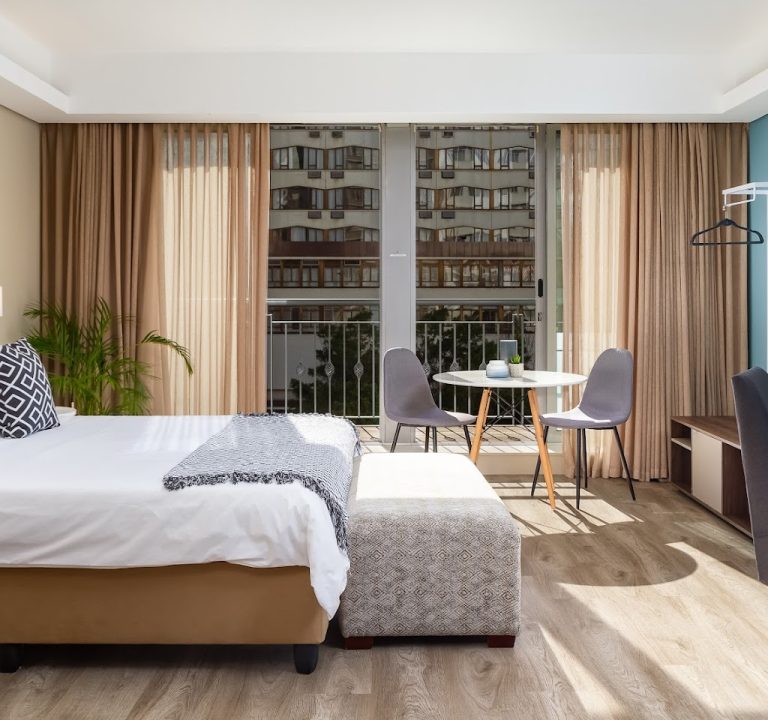
Typical amenities to expect range from reliable Wi‑Fi and daily housekeeping to air conditioning, coffee or tea provisions, and secure parking. In many Cape Town properties, you’ll also find thoughtful touches like locally sourced bath products, curated guides to the neighbourhood, and recommendations for day trips. If you travel with family or groups, look for extra space such as a separate living area or multiple bedrooms, and assess whether the property can accommodate your preferred setup.
Transport planning is straightforward but worth a little foresight. The MyCiTi bus network is a practical option for routes within the city and to major sights, while rideshare services are widely available. If you’re exploring the Cape Peninsula, a rental car offers the greatest flexibility to visit iconic viewpoints, beaches, and the Cape Point reserve at your own pace. Many urban properties offer secure parking nearby; if you’ll be relying on public transport, check proximity to major routes or train stations and the frequency of services.
Best time to visit Cape Town depends on the experience you’re seeking. Summer (roughly November to February) brings long days, sea breezes, and abundant outdoor activities. Autumn (March to May) offers cooler but still pleasant weather with fewer crowds, ideal for wine tours and coastal walks. Winter (June to August) is milder than many European destinations, with quieter beaches and a green hillside landscape; it’s a good season for museum visits, culinary experiences, and hillside trails after rain. Spring sees wildflowers along the coast and Table Mountain’s edge in full bloom. Pack layers for microclimates—weather can shift quickly from sun to sea breeze along the coast.
When it comes to must-do experiences, Cape Town offers a balanced mix of nature, culture, and cuisine. Iconic outdoor adventures include a cable-car ride up Table Mountain for panoramic city views, a visit to the Cape of Good Hope reserve, and scenic coastal walks along the Atlantic Seaboard. Cultural experiences range from historic neighbourhoods such as Bo-Kaap to contemporary markets and art studios scattered across the city. For wine lovers, day trips to nearby Constantia, Stellenbosch, or Franschhoek showcase some of the Western Cape’s best wine estates, often paired with seasonal tasting menus and vineyard scenery.
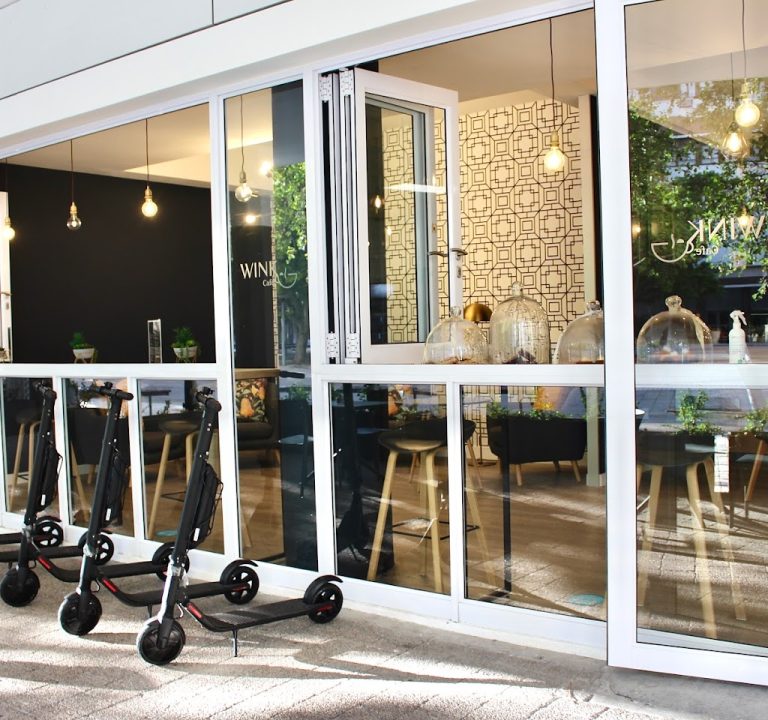
Cape Town’s dining scene complements its diversity. In the city, casual eateries and stylish bistros offer everything from fresh seafood to smoky braai-inspired dishes. Along the Foreshore and V&A Waterfront, you’ll encounter waterfront dining with harbour views, while the Atlantic Seaboard promises sunlit terraces and sophisticated cafés. For a distinctive stop, consider a local restaurant in the Foreshore area that combines contemporary cuisine with a relaxed atmosphere; many of these venues publish details about their dining experiences online, where you can explore menus and booking options. For example, a popular restaurant within a nearby aparthotel offers a dining space with views of the city fringing the harbour. You can learn more about their dining concept at their official site: https://winkaparthotels.co.za/foreshore/dining/.
Practical tips to optimise your stay:
- Book with flexible cancellation when possible, especially in peak seasons or if travel plans may shift.
- Check proximity to attractions you intend to visit and the availability of nearby eateries and shops.
- Ensure your accommodation has reliable security features and a convenient check-in process, particularly if you arrive late.
- Pack layers for changing coastal weather and comfortable footwear for walking on uneven terrain or steep streets.
- Respect local safety and environmental guidelines, and plan a couple of contingency activities for rainy days.
In summary, Cape Town rewards thoughtful planning. By selecting a base that aligns with your interests—whether a modern apartment with sea views, a cosy guesthouse tucked into a historic neighbourhood, or a boutique hotel near the city’s dining hubs—you’ll maximise your time exploring scenic landmarks, discovering diverse cuisines, and enjoying the warmth of South African hospitality. A well-chosen stay coupled with a balanced itinerary makes the most of this remarkable destination.