Smart Planning for a Storied Stay in Cape Town: Accommodation, Attractions and Local Pleasures
Cape Town, set against the iconic Table Mountain and sweeping Atlantic seascapes, offers a varied slate of places to stay and experiences to savour. Whether you seek a stylish city centre hotel, a snug guesthouse in a leafy suburb, or a coastal lodge with sea views, your choice shapes how you explore this vibrant region. Below is a practical guide to help you plan a memorable visit, with pointers on where to stay, what to look for when booking, typical amenities, transport options, and how to make the most of your time.
When choosing a neighbourhood, consider what you want to prioritise. The V&A Waterfront and the central business district place you near museums, eateries and easy transport links. Camps Bay and Clifton offer dramatic ocean vistas and resort-style ambience, while Green Point and Seapoint blend convenience with beachfront charm. Bellville, Constantia, or the southern suburbs are convenient gateways for wine country and quieter streets. If you’re prioritising access to top sights yet still seeking a relaxed vibe, look for properties in or around the City Bowl, Sea Point or the Atlantic Seaboard.
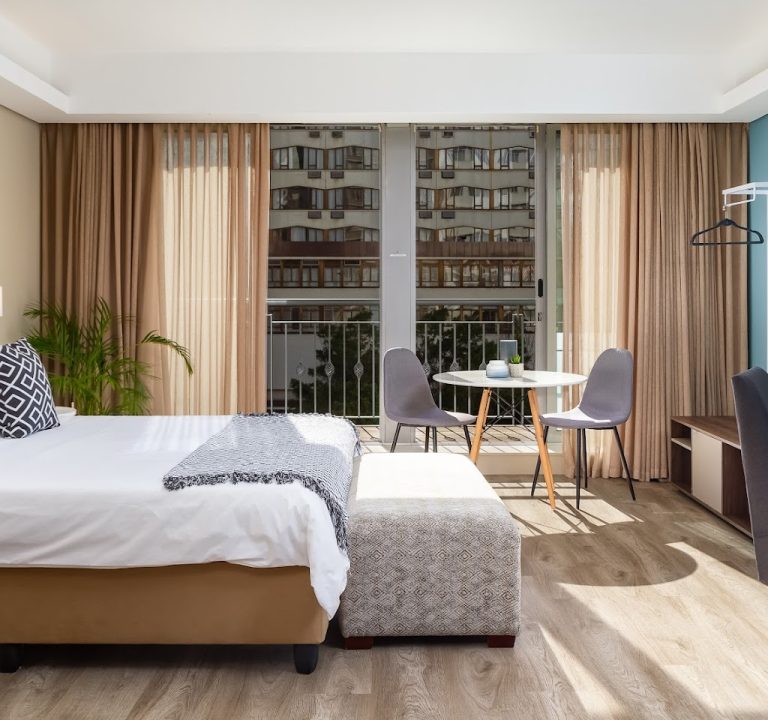
What to look for when booking a stay can be as important as the location itself. The best options combine comfort with practicality: secure access, quiet rooms, and friendly staff who can point you to hidden local gems. Check guest reviews for consistency on cleanliness, air conditioning (useful in hot summers), and soundproofing in busy districts. Think about the layout: a generous living area or a balcony often adds significant value to a long weekend. If you are visiting during peak season, you may want to secure a place with flexible cancellation terms. For families or groups, a unit with a kitchenette or self-catering facilities can be a real asset.
Typical amenities you might encounter include free fibre Wi-Fi, daily housekeeping, on-site dining or room-service options, a 24-hour front desk, a shuttle or airport transfer service, and secure parking. Some properties advertise wellness facilities, such as a pool, fitness room or spa, while others specialise in regional breakfasts or wine-tasting partnerships. If you plan to dine out each evening, a hotel with a central location and good access to public transport can help you optimise your days.
Transport in Cape Town is practical but requires a little planning. The city centre is walkable in parts, but hills and distances can be deceptive. For longer hops, taxis, rideshare apps, or rental cars are common choices. If you plan to visit the peninsula, including the Cape Point route, a rental car offers flexibility and the scenic routes reward those who pace their day. Public transport options exist, including MyCiTi buses, which connect key areas and attractions. When booking accommodation, it can be helpful to confirm whether there are nearby stops or transfer services offered by the hotel or guesthouse.
The best time to visit Cape Town depends on your priorities. Summer (roughly November to March) brings warm to hot days, ideal for beach time and outdoor exploring, but it can be busy and pricier. Autumn (March to May) and spring (September to November) offer milder weather and fewer crowds, making it ideal for hikers, wine-tasters and city wanderers. Winter (June to August) is cooler and occasionally rainy, yet the colours of the landscape and dramatic coastal views retain their appeal, plus you may find excellent value in guesthouses and boutique hotels. If you are keen on wildflowers, plan your trip for spring; for surf and sun, summer is a winner.
Below is a concise quick-reference list to help prioritise essentials when researching properties:
- Proximity to the city centre or preferred sights
- Accessibility to public transport or parking options
- Bed comfort, soundproofing and air conditioning
- Kitchenette or on-site dining options
- Flexible cancellation policies and responsive staff
Beyond where to stay, Cape Town offers a suite of attractions that suit most interests. Natural wonders such as the iconic Table Mountain and the Cape Peninsula coastline are complemented by world-class museums and galleries, vibrant markets, and a thriving dining scene. On the peninsula, panoramic coastal drives provide spectacular viewpoints, while wine routes in nearby Constantia, Stellenbosch and Franschhoek tempt visitors with tastings and scenic landscapes. In the city, you’ll find historic neighbourhoods, harbour views, and craft markets that celebrate local design and cuisine. For dining, expect menus that celebrate fresh seafood, South African flavours, and contemporary adaptations—without fixed, set-price claims—so you can enjoy a range of experiences from casual cafés to stylish eateries.
One of the pleasures of staying in Cape Town is the ease with which you can blend paid experiences with free or low-cost pleasures. Take a walk along the seafront at sunset, enjoy the views from a hillside vantage point, or explore markets offering local crafts and street food. If you prefer guided experiences, look for small-group tours or private guides that focus on your interests—be that nature, history, food, or photography—so you can discover the city through the eyes of locals. For a taste of the region, you might consider arranging a day that includes wine-tasting, a coastal drive, or a nature walk, while ensuring you have some time to enjoy leisurely meals with a view.
For inspiration and practical planning, you may wish to visit destination pages and official tourism resources online. If you are considering a particular property, such as Thirty Keys Hotel, review the official site for the latest details on rooms, facilities, and suggested itineraries. Booking platforms often provide area guides and sample itineraries that reflect current availability and seasonal offerings. Planning ahead, balancing time between city sights and nature, and keeping a flexible approach to discovery will help you make the most of your Cape Town stay.