Accommodation and Sightseeing in Cape Town: Planning a Memorable Stay
Cape Town offers a compelling mix of scenery, culture and cuisine, making it an ideal destination for a flexible stay that can suit everything from a weekend break to a longer exploration. When planning where to stay, consider the character of each neighbourhood, the type of accommodation you prefer and how you like to move around the city. From harbour-front hotels to leafy guesthouses and contemporary city boltholes, there are options to fit most budgets and trip styles.
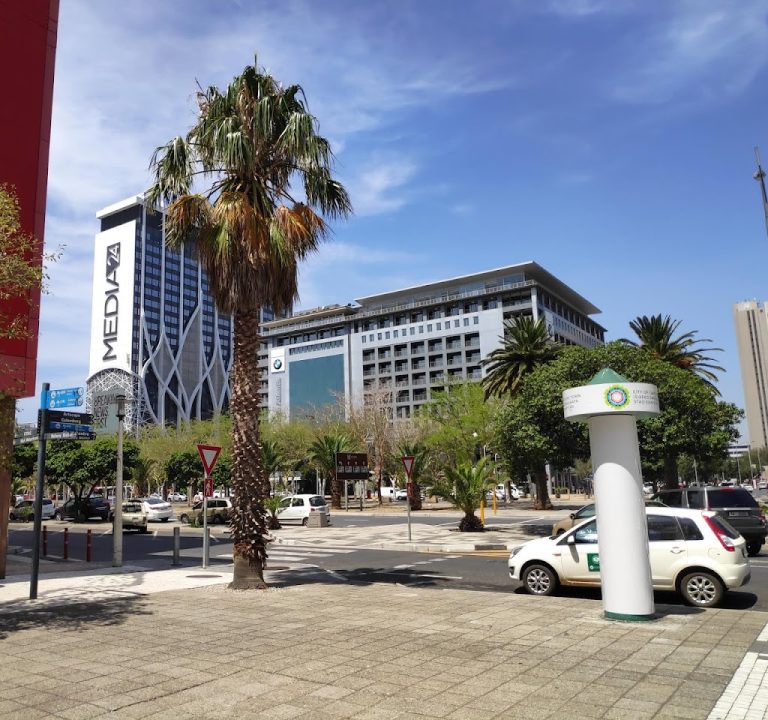
Key areas to consider include the foreshore and central business district for easy access to transport, eateries and business facilities; the popular Atlantic Seaboard for coastal views, sun-drenched beaches and stylish flats or boutique hotels; the vibrant city bowl neighbourhoods for historic architecture, markets and nightlife; Constantia for a green, wine-country feel on the doorstep of the city; and leafy suburbs such as Lakeside or Claremont for quieter stays with quick access to the mountains and forest hikes. If you are travelling with family or seeking a relaxed pace, a comfortable guesthouse in a leafy suburb or a self-catering apartment in a mixed-use area can be ideal. For beach lovers, a stay along the Atlantic Seaboard or near Camps Bay provides easy access to long stretches of sand and sunset views.
When booking, think about practical details that affect daily life. Look for properties with reliable heating or air conditioning, good Wi‑Fi for remote work or streaming, and secure parking if you plan to hire a car. A well-equipped kitchen or breakfast options can save time and money, while on-site facilities such as a pool, balcony or rooftop lounge can significantly enhance downtime after a day of exploring. If you value sustainability, seek properties that prioritise water-saving measures and energy efficiency. For families or groups, multiple bedrooms, a private lounge and easy access to supermarkets or grocery delivery services can be a real advantage.
Accessibility and transport are important planning factors. Cape Town is navigable by a combination of hired car, guided tours, and public transport. The MyCiTi bus network covers many areas, but some routes are more frequent in central zones and the foreshore. If you intend to venture to the slopes of Table Mountain, the Constantia Valley or the Cape Peninsula’s coastal towns, a rental car offers flexibility. Some accommodations can arrange airport transfers or recommend trusted shuttle services. If you prefer not to drive, staying near central transport nodes with walkable access to attractions can reduce the need for taxis or rideshares late at night.
March to May and September to November are often considered pleasant periods in Cape Town, with mild weather and fewer crowds than the peak December and January holidays. The city’s seasons can influence prices and room availability, so booking a little in advance for popular weeks and events pays off. If you are sensitive to wind or cooler evenings, plan for a light layer, especially if you will be outdoors on the coast or on the mountains. Water safety is essential in coastal areas, and it is wise to heed local advisories for beach swimming and boat trips.
Aside from where to sleep, you’ll want to plan what to do without overpacking the timetable. Cape Town offers a wealth of outdoor experiences: an ascent to iconic viewpoints, a visit to nature reserves or botanical gardens, and scenic coastal drives that showcase the city’s dramatic scenery. If you enjoy captivating city spaces, you can expect vibrant markets, artisan shops and a range of casual to refined eateries nearby most well-located accommodations. For a balanced itinerary, mix outdoor time with relaxed meals and a stroll through historic districts to absorb the local atmosphere.
To help you plan your stay, you can start with a general outline of what to do and where to consider staying, then refine it based on your interests. If you prefer guided insight, many accommodation providers can offer tailored recommendations for day trips, harbour views, and quiet corners with panoramic outlooks. For ideas on planning and ongoing inspiration, reputable tourism resources provide broad information about routes, activities and seasonal highlights in Cape Town and the Western Cape. For reference, Cape Town’s official tourism site can be a useful starting point for practical arrangements and general information about accessibility and local services.
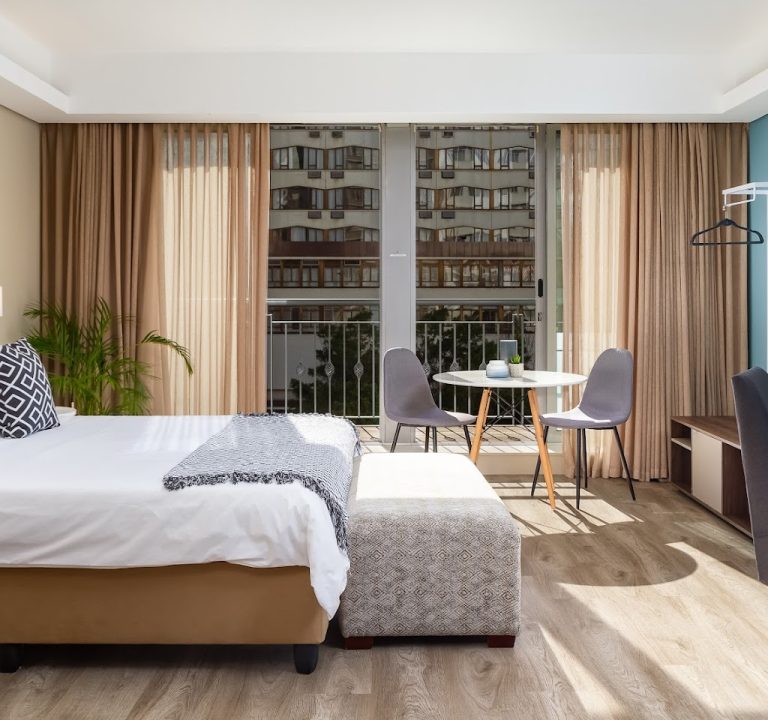
Example accommodation types you might encounter in Cape Town include modern hotels with contemporary amenities near the waterfront, guesthouses in tranquil, residential streets near parks and schools, and boutique lodges perched on hillsides with panoramic city or ocean views. Regardless of the style you choose, read recent guest reviews to gauge cleanliness, service quality, and how well the property matches its stated facilities. Do not hesitate to contact the property directly to confirm availability, proximity to preferred sights, and any special needs or dietary requirements. For those seeking a balanced blend of comfort and location, a well-situated hotel or guesthouse can serve as an ideal base for both urban exploring and nature outings.
Further information and inspiration can be found via local tourism resources and hotel chains’ official pages. When you’re ready to book, consider how your accommodation aligns with your itinerary, budget and pace of travel, and you’ll set the foundation for a memorable Cape Town stay.