Staying in Cape Town: accommodation, areas to consider, and how to plan your visit
Cape Town offers a diverse range of places to stay, from boutique guesthouses with sea views to self-catering apartments tucked into vibrant neighbourhoods. Whether you are seeking a central base for sightseeing, a relaxing coastal retreat, or a family-friendly haven a short drive from the winelands, the city presents options to suit most budgets and travel styles. When planning a stay, think about accessibility, pace, and the experience you want from your trip as much as the decor and amenities.
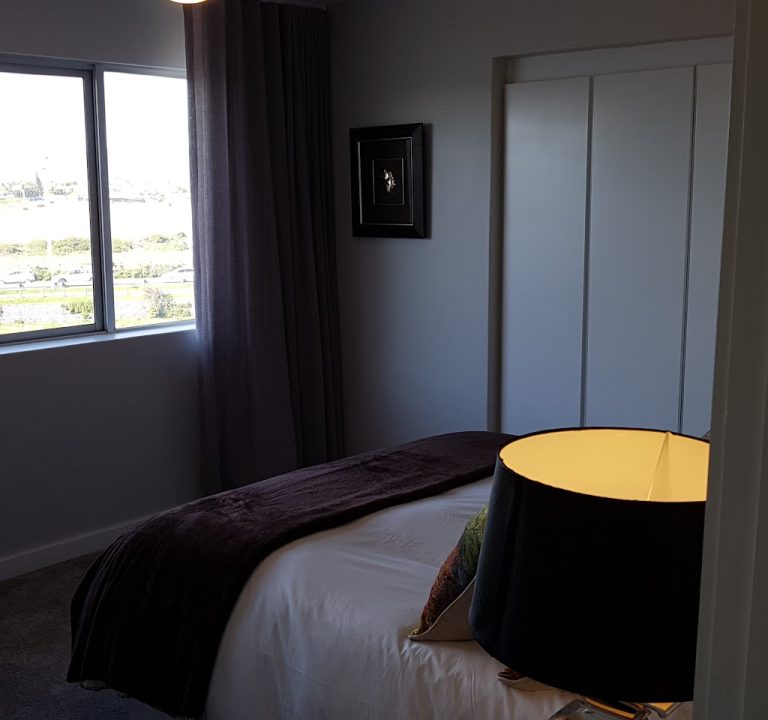
One reliable approach is to anchor your holiday in a neighbourhood that aligns with your interests, then choose accommodation that enhances that experience. For example, a stay in the City Bowl or the Atlantic Seaboard puts you within easy reach of key attractions and dining scenes, while Constantia or the Southern Suburbs offers a greener, more relaxed setting with easy access to wine routes and day trips. Self-catering options, such as windSong – Luxury Self Catering Apartment – Cape Town, can be particularly convenient for families or groups who value kitchen facilities and the flexibility to dine in after busy days exploring the city.
When booking, consider the following practical factors:
- Location and access: Proximity to attractions you plan to visit, public transport routes, and easy accès to major roads for day trips. A short ride from your base to the V&A Waterfront, Table Mountain cableway, or the Constantia wine valley can save time and reduce daily transport costs.
- Safety and security: Look for properties with secure entrances, well-lit surroundings, and trusted neighbourhood reputations. Consider how staff or on-site management can assist with late arrivals or travel tips.
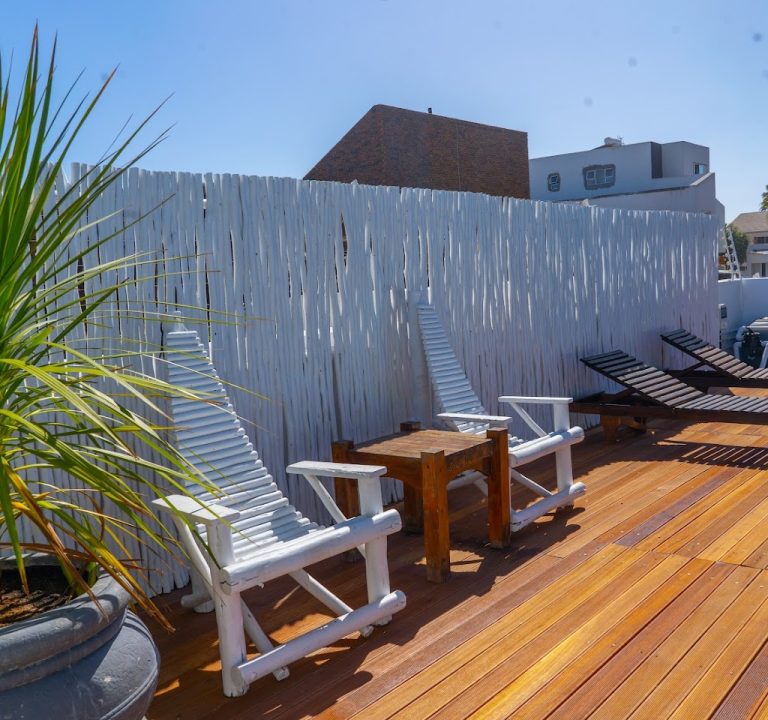
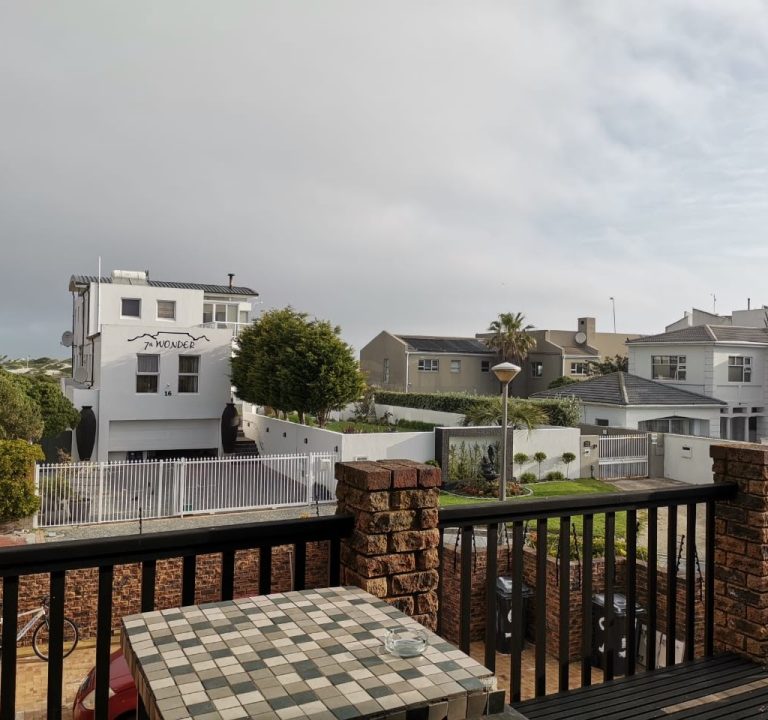
- Terrain and views: Cape Town is famously scenic. If a sea view or mountain outlook is important, confirm whether the accommodation truly delivers what is pictured, and whether any balconies or terraces have practical access in your travel period.
- Facilities and kitchen needs: For self-catering stays, check pantry provisions, cooking facilities, laundry access, and whether there is air conditioning or heating suitable for the season.
- Access to transport: If you will rely on public transport, verify proximity to bus or train routes. If you plan to drive, confirm parking arrangements and any charges.
Typical accommodation types in Cape Town range from stylish BnBs and boutique hotels to guesthouses and self-catering apartments. Each has its own charms: BnBs often offer a personable, inn-like experience with breakfast included, while boutique hotels provide tailored service, stylish interiors, and shared spaces. Self-catering options, such as a designed apartment, offer privacy and flexibility, letting you set your own pace for mornings and meals.
Amenities to look for include reliable Wi‑Fi, a well-equipped kitchen, laundry facilities, air conditioning or heating, and thoughtful extras such as a comfortable lounge area, a dedicated workspace, or a private balcony. If you’re visiting during peak season, an early check‑in or late check‑out flexibility can be a real advantage. It’s worth confirming what security measures, housekeeping schedules, and local recommendations the host can provide, particularly for first-time visitors.
Transport in Cape Town is varied and easy to navigate with a little planning. If you are relying on public transport, staying near major routes makes day trips more straightforward. For those who wish to explore beyond the city, arranging a guided tour or a private driver for certain days can be a good option. Many guesthouses and self-catering properties will have local tips on taxi services, safety-friendly routes for walkers, and best times to visit popular viewpoints to avoid crowds.
Best time to visit Cape Town depends on what you want from your trip. Spring and autumn (around September to November and March to May) bring mild weather and fewer crowds, making it ideal for outdoor activities along the coast, hikes, and wine country excursions. Summer offers long days and lively beach culture, while winter brings cooler weather and the chance of rain, which can be a cosy time to enjoy the city’s restaurants and interiors. If you plan outdoor activities like mountain hiking or coastal trips, packing layers is wise, as conditions can change quickly from city heat to breeze along the Atlantic seaboard.
When it comes to attractions and dining, you can plan a balanced mix of must-see spots and local experiences. Naturally, the city offers renowned natural scenery such as viewpoints on Table Mountain and dramatic coastal drives. Cultural experiences often centre on museums, markets, and historic neighbourhoods where you can observe everyday life and sample regional flavours in casual eateries and markets. For dining, look for places that emphasise fresh, seasonal ingredients and a mix of casual and more formal options. The strongest experiences tend to come from venues that prioritise taste, hospitality, and a sense of place, rather than purely celebrity names or high price tags.
Before you travel, slice your plans into days with a mix of activities and downtime. For example, you might spend a day exploring a central district with a stroll along the waterfront, followed by a scenic drive or a cable ride up a viewpoint. Reserve evenings for relaxed meals in restaurant districts known for vibrant atmospheres, and leave a little space for spontaneous discoveries—perhaps a cafe with a friendly bar or a small gallery that catches your eye after sunset.
In summary, Cape Town’s accommodation landscape supports a broad range of stay experiences—from elegant self‑catering apartments to intimate guesthouses. By choosing a base aligned with your preferred pace and interests, planning for the essentials—location, security, facilities, and transport—and leaving room for adaptable itineraries, you can craft a memorable, comfortable visit to this dynamic city.