Cape Town: Accommodation, attractions and planning your stay in the Western Cape
Cape Town offers a diverse range of places to stay, from stylish boutique hotels in historic neighbourhoods to coastal guesthouses with sea views. When planning a visit, consider the breadth of areas available, how easy it is to access sights, and the pace you want for your trip. An overnight in the city can be a convenient base for exploring the Cape Peninsula, the winelands, and the Cape Flats, while a stay centred on the Atlantic seaboard provides easy access to beaches, cliff paths and dramatic scenery.
Areas to consider include the City Bowl for easy access to restaurants, shops and cultural sites, the historic Bo-Kaap with its colourful houses, and Green Point or Sea Point for proximity to the V&A Waterfront and the coast. Camps Bay and Clifton offer glamorous beachfront options and sunset views, though they tend to be more seasonal and pricier. Constantia and the southern suburbs are ideal for tranquil residential stays with access to vineyards and green hills. If you are seeking a quieter break with a more rural feel, consider the nearby winelands towns or the southern reaches of the peninsula.
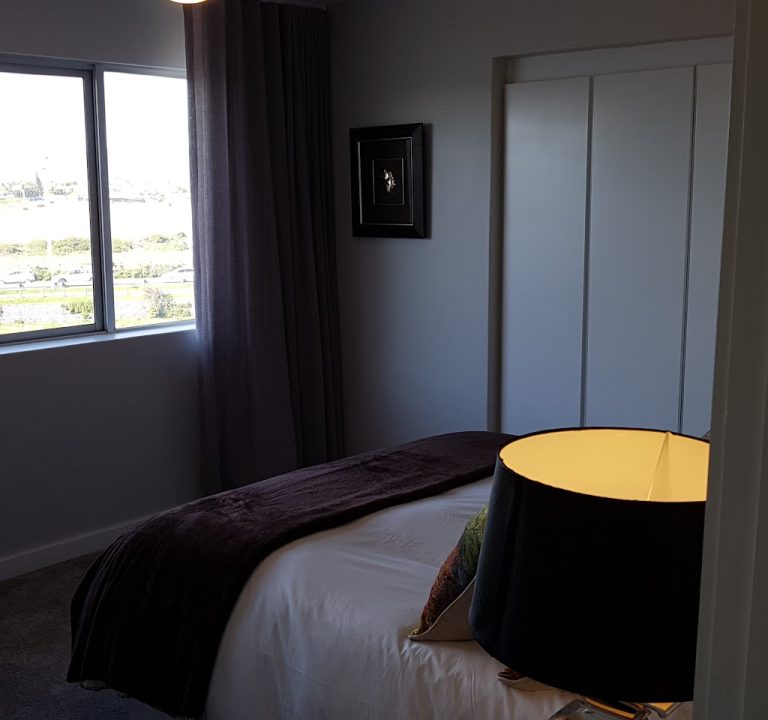
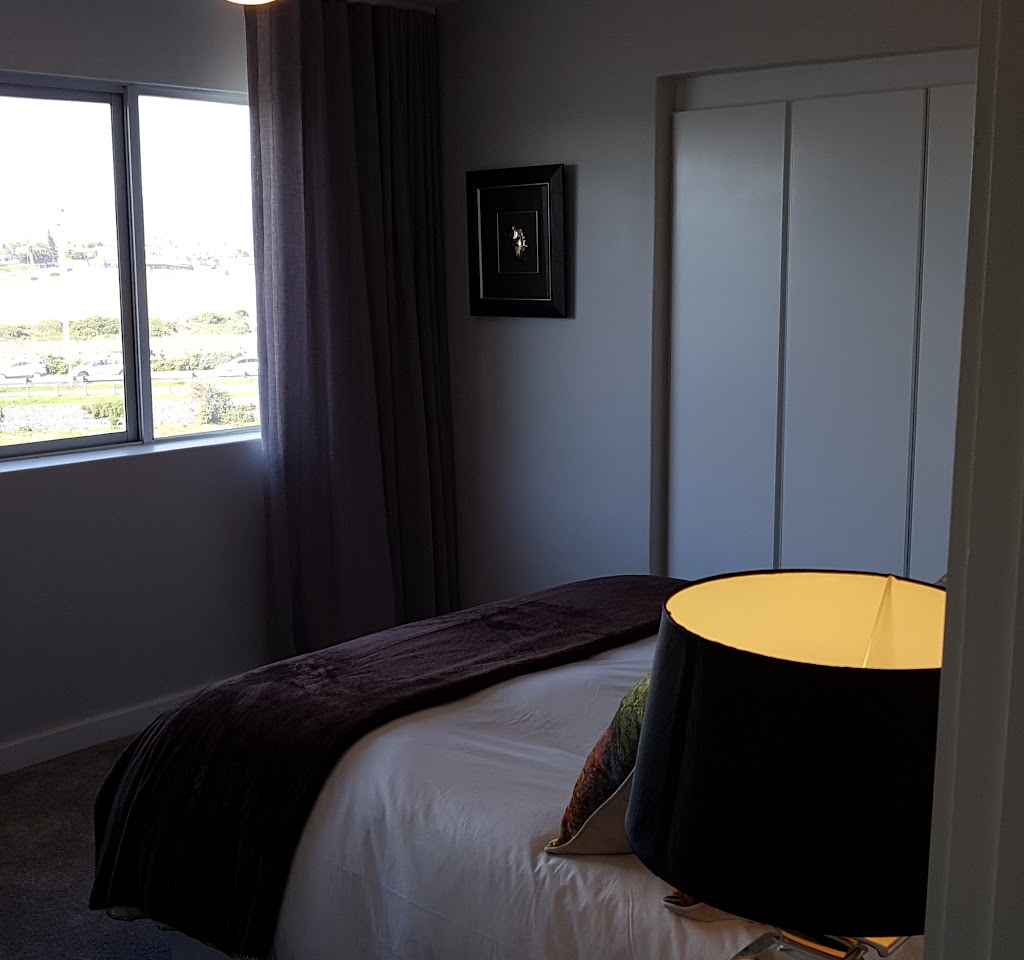
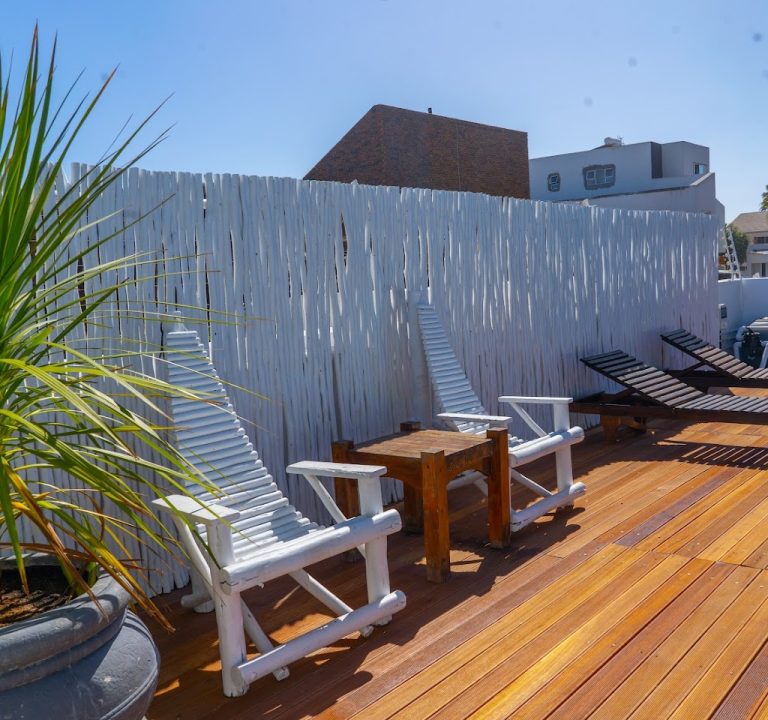
When choosing accommodation, think about what you want from your stay. Do you prefer a cosy guesthouse with a personal touch, a modern hotel with extensive facilities, or a self-catering apartment with a kitchen? Check the level of security, parking availability, and whether breakfast or meals are included. If you are travelling with family or a group, look for multi-bedroom suites or apartment-style layouts. For a longer break, a property with self-catering facilities and a kitchenette can make evenings more flexible after days out exploring.
Typical amenities to look for include reliable wi‑fi, adequate heating or air conditioning, secure parking or easy access to public transport, and a convenient location within walking distance of eateries or a short taxi ride to sights. In many guesthouses and boutique hotels, hosts are happy to offer personalised tips on local routes, markets and day trips. Accessibility is another practical point; if stairs or lifts are important, check the property’s layout and any potential constraints before booking.
Transport in Cape Town is well supported by a mix of public and private options. The MyCiTi bus network provides affordable city connections, and rail links can be a scenic alternative for certain routes. Taxis and ride‑hailing services are widely available, including near major attractions and at transport hubs. If you are considering longer day trips to the Winelands or the Cape Peninsula, hiring a car gives you maximum flexibility, though many visitors prefer guided tours or organised excursions to take the guesswork out of driving and parking in busy areas.
The climate in Cape Town is a defining feature of planning. The best time to visit tends to be during the shoulder seasons—spring (September to November) and autumn (February to April)—when the weather is mild, crowds are less intense, and the city is alive with colour and fresh produce markets. If you come in peak summer, expect longer queues at popular viewpoints and beaches, and plan early for outdoor activities. Winter offers a different charm with occasional rainfall and cooler evenings; it can be a good time for dining experiences and wine trips when the crowds thin out.
For those who enjoy outdoor activities, the surrounding landscape offers trails and viewpoints that suit all levels. Iconic natural sights can be reached with a combination of short walks and scenic drives. Coastal routes reveal headlands and bays, while inland climbs offer panoramic city views. To balance activity with relaxation, many visitors pair a hike or a scenic drive with a long lunch at a restaurant terrace or a waterfront promenade stroll.
Practical planning tips to help your stay go smoothly:
- Check the proximity of your accommodation to the sights you most want to visit and the public transport options nearby.
- Ask about breakfast service, kitchen facilities, and any added charges for utilities or housekeeping.
- Consider a flexible cancellation policy in case plans change, especially if your travel dates are busy or uncertain.
- Pack suitable clothing for mixed weather; layers are useful for changing conditions from coast to inland areas.
- Budget time for travel between areas; Cape Town’s geography can make some trips longer than expected, especially during peak traffic.
When it comes to dining and experiences, Cape Town offers a vast range of options without needing to book ahead for all of them. In addition to dining in modern eateries, visitors can explore casual cafés near markets, enjoy fresh seafood on the coast, and sample wines and local produce along the surrounding wine routes. For an overview of what the region has to offer, look for official tourism information and credible travel guides to plan day trips and restaurant choices that suit your tastes and budget.
In summary, a well‑planned stay in Cape Town balances a central, well-connected base with opportunities to explore a range of landscapes—from city streets and markets to mountain paths and coastlines. With thoughtful attention to location, transport, and the amenities of chosen accommodation, your trip can be both comfortable and richly rewarding. For further inspiration and practical planning resources, you may wish to consult official tourism sites or reputable travel guides that focus on Cape Town and the Western Cape.