Accommodation and planning a stay in St Lucia, KwaZulu-Natal
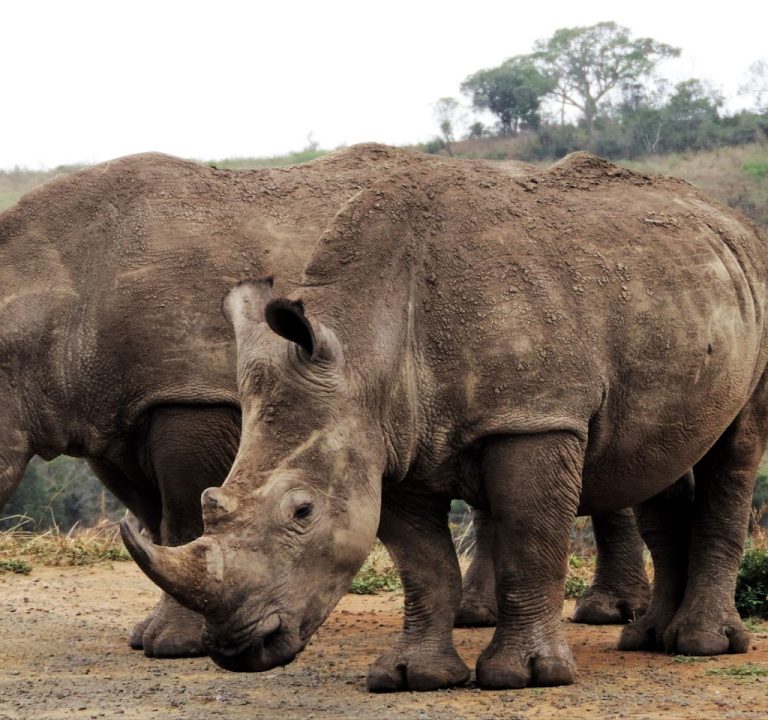
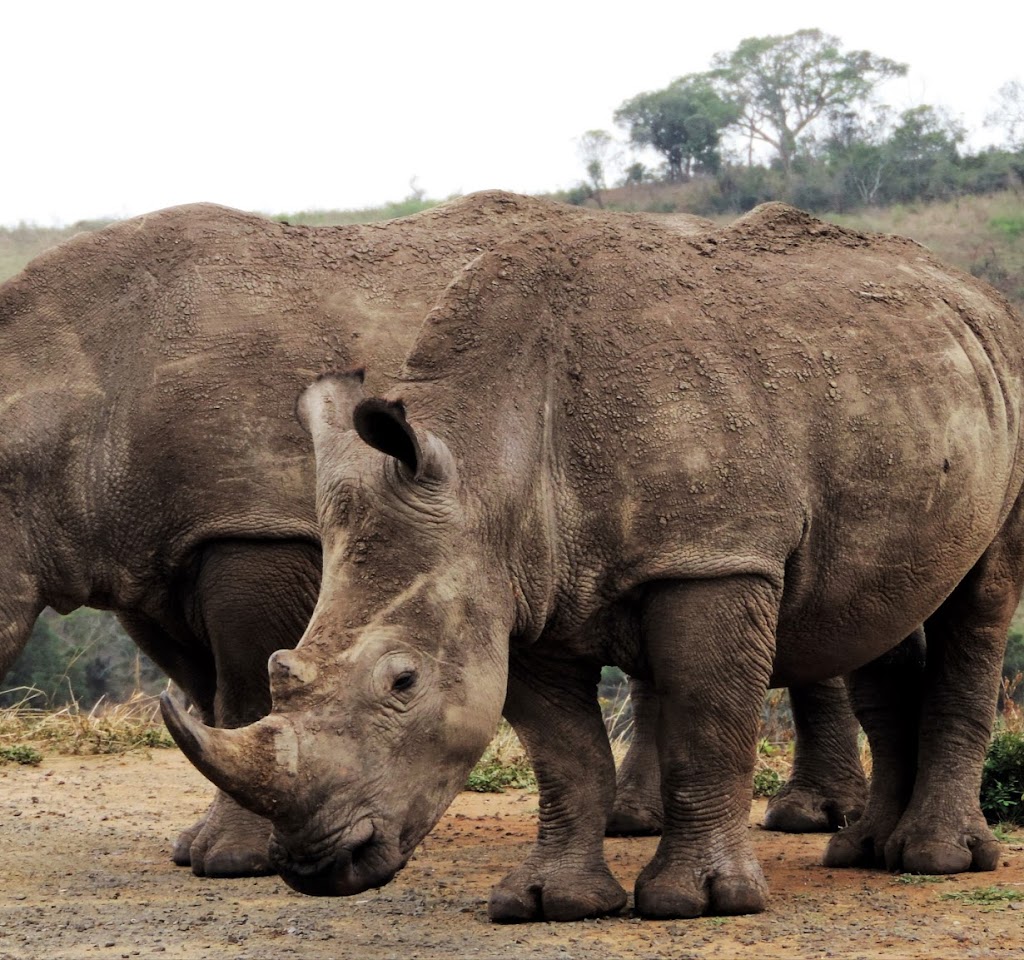
Nestled on the edge of the iSimangaliso Wetland Park in KwaZulu-Natal, St Lucia offers a serene base for travellers seeking wildlife experiences, beachtime and laid‑back coastal charm. The town is renowned for its estuary, which becomes a vibrant hub of birdlife and marine activity at various tides, and for easy access to world‑class nature reserves without sacrificing creature comforts. Whether you are travelling on a budget, seeking family‑friendly options, or favouring boutique stays with local flavour, the area provides a range of accommodation to suit different tastes and itineraries.
When choosing where to stay, consider proximity to the estuary and the village centre. A short stroll to cafés, shops and game‑oriented activities is convenient for those who want to fill each day with light, flexible plans. For wildlife lovers, a stay nearer to the entrance to the park makes early morning or late afternoon game drives and boat trips more convenient. If you prefer a quieter, more secluded atmosphere, look for lodges or guesthouses set back from the main routes, often surrounded by reeds, palm stands and nature trails.
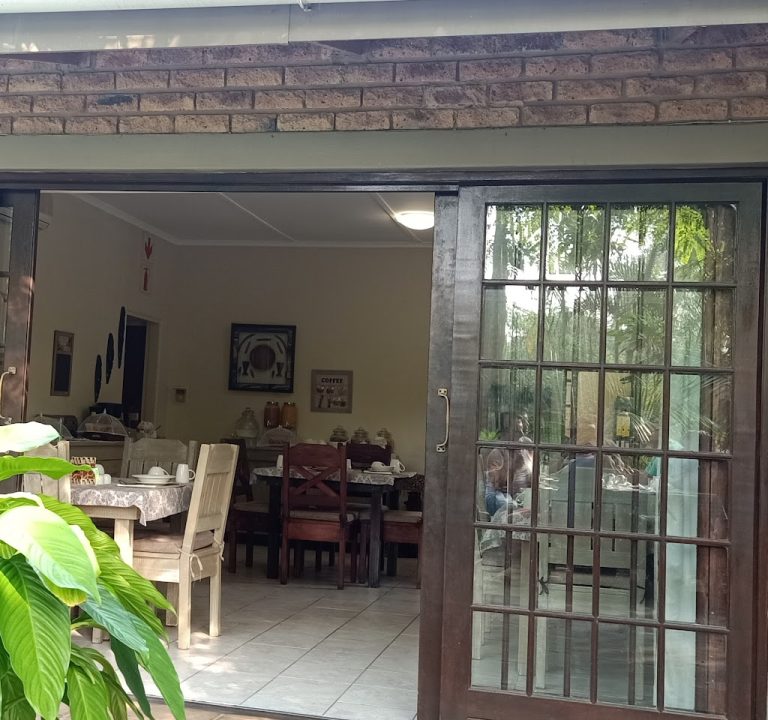
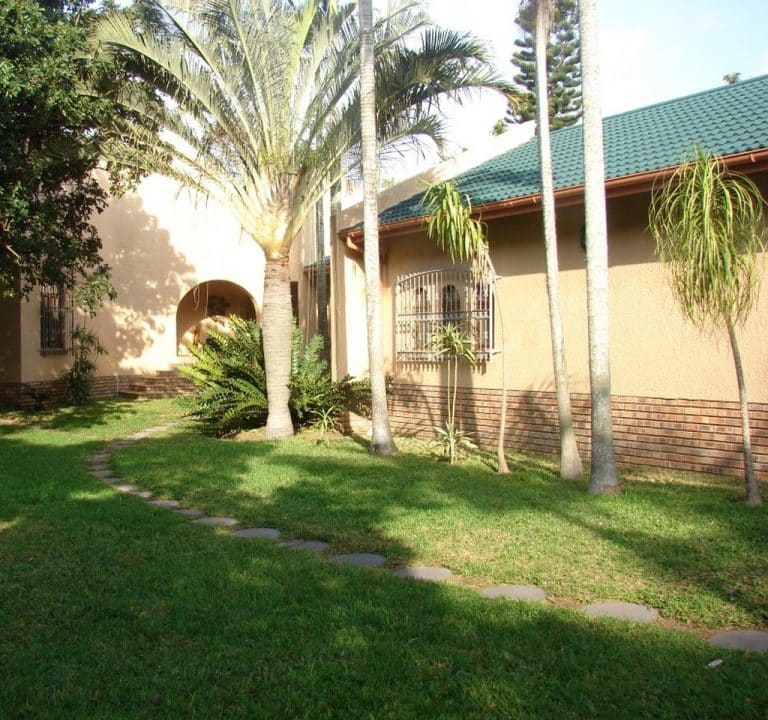
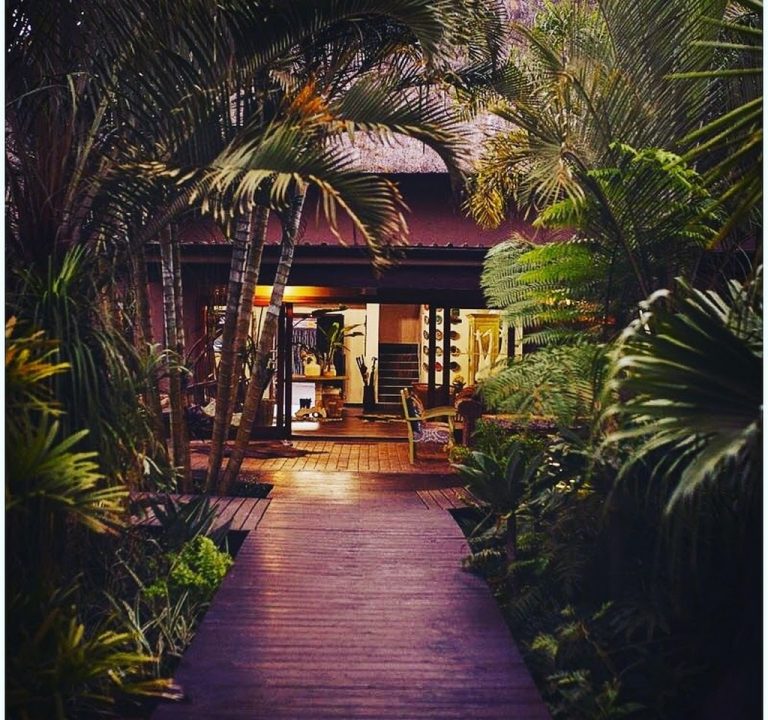
Typical accommodation types range from guesthouses and boutique eco‑lodges to self‑catering cottages and family‑friendly lodges. Many properties emphasise a warm, welcoming style with a focus on local hospitality. Common amenities you might encounter include private verandas or balconies, air‑conditioning or fans for day‑to‑day comfort, reliable wifi, secure parking, and on‑site dining or simple breakfast options. Some lodges feature shared lounges, picnicking areas and outdoor decks that invite sunset drinks and birdwatching. If you are visiting during peak migration or calving seasons, check the property’s policy on guided activities and early starts, which can be a highlight of a stay.
Booking tips to help you secure a good stay:
- Balance convenience with pace: decide how much time you want to spend inside the town versus exploring the park and coastal areas.
- Check access to early‑morning or late‑afternoon wildlife activities, as these are often the best times for viewing and photography.
- Review room configurations for groups or families, including bedding arrangements and kitchenette facilities.
- Ask about transfer options and local transport links – some properties organise airport or park transfers, while others are best reached by private vehicle.
- Confirm water and power provisions, as some remote lodges run on solar or backup generators in certain seasons.
Transport and getting around are straightforward but depend on your plans. A car with reliable clearance is convenient for exploring the wider region, including coastal resorts to the south and inland reserves. For day trips, some operators and lodges offer guided excursions, with variations in pace and activity type. If you prefer not to drive, you can book a combination of lodge‑based safari experiences and organised outings, which often include both wildlife viewing and cultural stops along the way. Always clarify what is included in any tour or activity to avoid surprises and ensure suitability for children or older travellers in your party.
The best time to visit St Lucia hinges on wildlife interest and weather preferences. The winter months (May to August) tend to be drier and cooler, with good visibility for birdwatching and relatively comfortable conditions for outdoor activities. The spring and early summer period can bring vibrant birdlife and warmer days, while the peak rainfall months may offer lush landscapes and dramatic weather patterns. Regardless of season, remember to pack breathable clothing for daytimes, a light waterproof layer for tropical showers, sun protection, insect repellent and good walking shoes for boardwalks and nature trails.
Practical tips for a smooth stay include planning around tides for estuary activities, since many watercraft trips and birdwatching viewpoints align with tidal cycles. If you are self‑catering, stock up on groceries in advance of weekend closures and be prepared for more relaxed shopping hours than in large cities. Respect local wildlife by keeping a respectful distance, sticking to marked paths, and following the guidance of guides on all safari or boat excursions. In terms of dining, St Lucia offers a mix of casual eateries and more refined dining rooms; many places specialise in coastal flavours, fresh seafood and local produce. You can expect warm, friendly service and dishes that celebrate KwaZulu‑Natal’s vibrant culinary scene, without extravagant pretensions.
As you plan a stay, consider combining accommodation with gentle easy days in town and a few longer forays into the surrounding park and coastal landscapes. For broader planning and inspiration, consult official tourism resources and the experiences‑driven operators that put visitor safety and enjoyment first. For further information on protected areas and regional highlights, you may wish to explore the iSimangaliso Wetland Park and related KwaZulu‑Natal tourism sites.