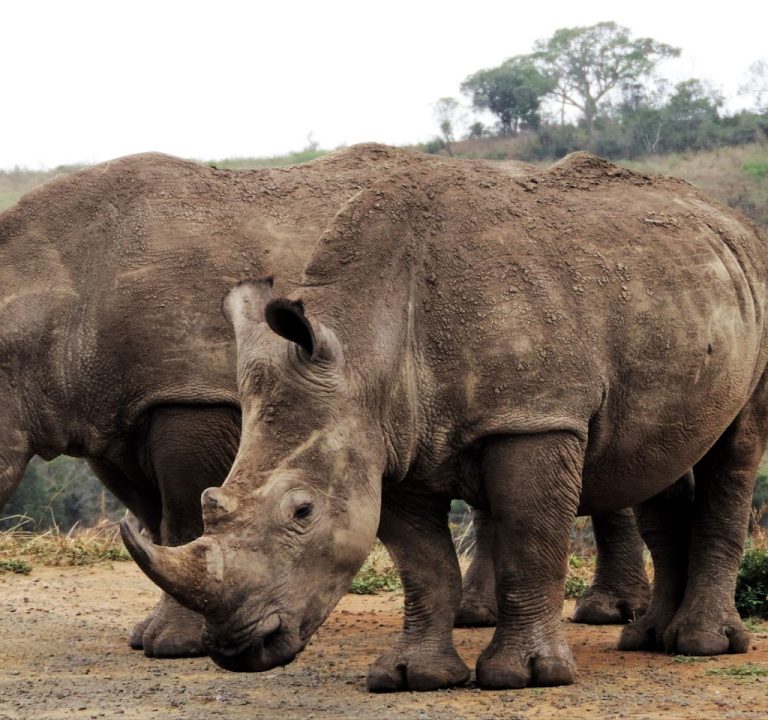
St Lucia, KwaZulu-Natal: Where to stay and what to do
St Lucia in KwaZulu-Natal makes a compelling base for visitors drawn to coastal scenery, wildlife encounters, and relaxed South African hospitality. Whether you arrive for a short break or a longer exploration, the town’s compact size and friendly pace help guests feel at ease as they plan daily itineraries around accommodation and activities.
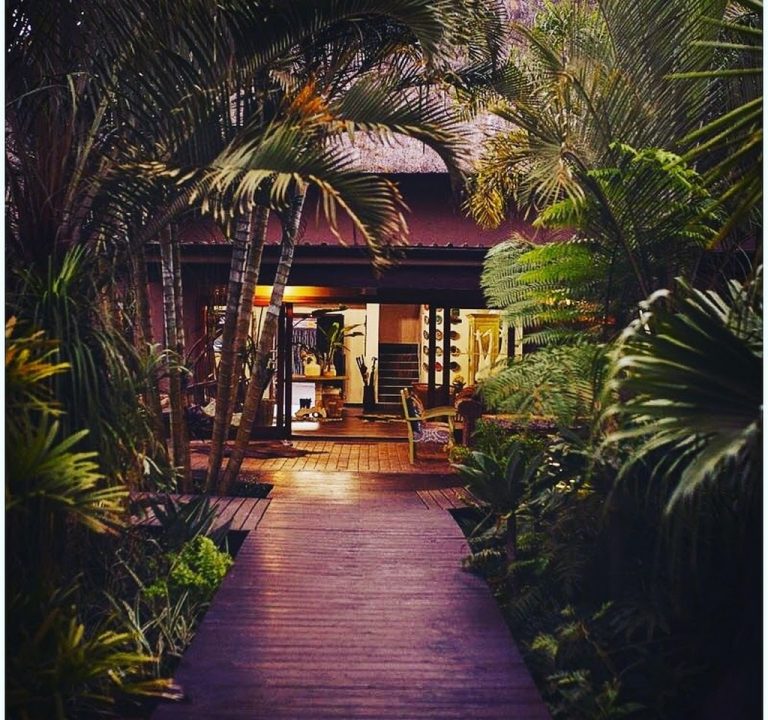
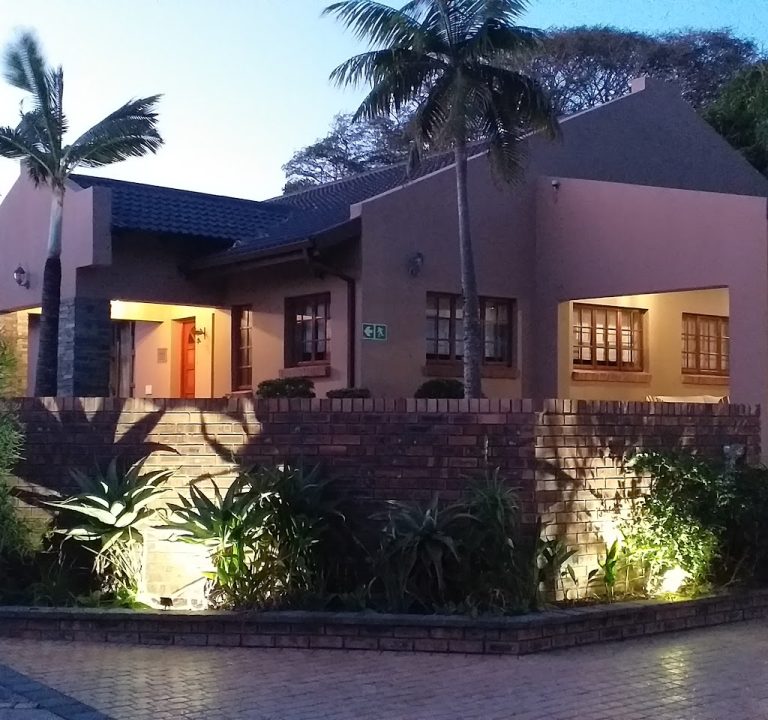
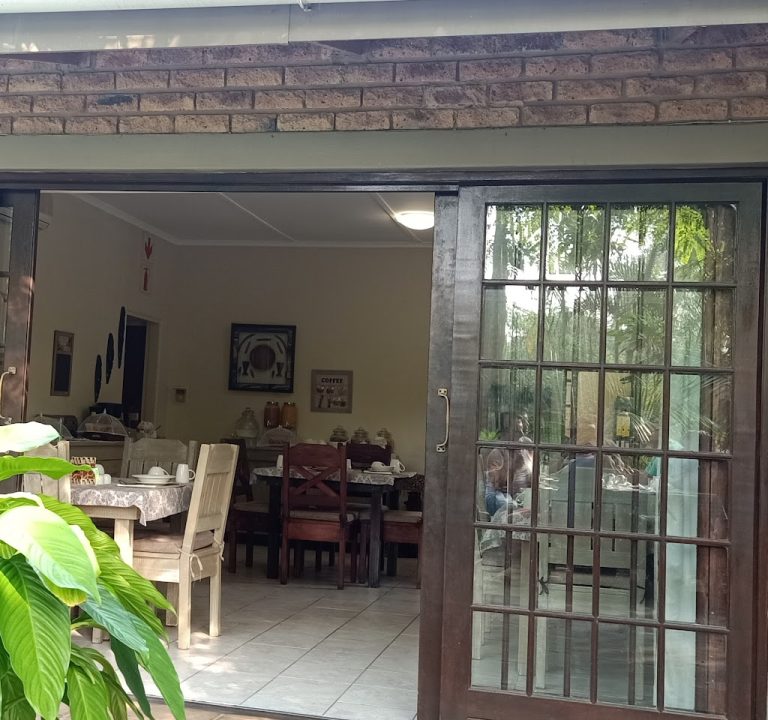
When choosing where to stay, consider the pace you want and your budget. St Lucia offers a range of options from intimate bed & breakfasts and guesthouses to eco-lodges and self-catering cottages. For a boutique experience, a well-run B&B can combine comfortable rooms with home-made breakfasts and insider tips on local sights. Lodges and guesthouses often provide a more personalised touch, sometimes including guided excursions or recommendations for nearby nature reserves. If you prefer flexibility, self-catering cottages and apartments give you space to settle in and cook if you’d rather not eat out every night.
Key areas to consider when planning your stay include:
- St Lucia town centre: a convenient hub close to shops, eateries, and the estuary boat tours. It’s ideal for guests who want to stroll to meals and activities.
- Proximity to iSimangaliso Wetland Park: staying near the park makes early morning game drives, birdwatching, and boat trips easier to realise, with quick access to beaches and lagoons.
- Rural or wildlife‑focused lodges on the outskirts: these can offer more tranquillity, larger properties, and greater chances of wildlife sightings from the property itself.
What to look for when booking
- Amenities: reliable air conditioning or fans for warm nights, en-suite bathrooms, secure parking, and generous breakfast options are common expectations in the area.
- Accessibility to activities: check whether the property offers organised tours, or if it is easy to arrange guides for birding, lake cruises, snorkelling, or kayaking.
- Transport links: a property with on-site parking and straightforward routes to main attractions is helpful, especially if you plan to hire a vehicle.
- Sustainability and ethics: many local operators prioritise community engagement, conservation-minded practices, and responsible tourism. Look for properties that outline their approach in these areas.
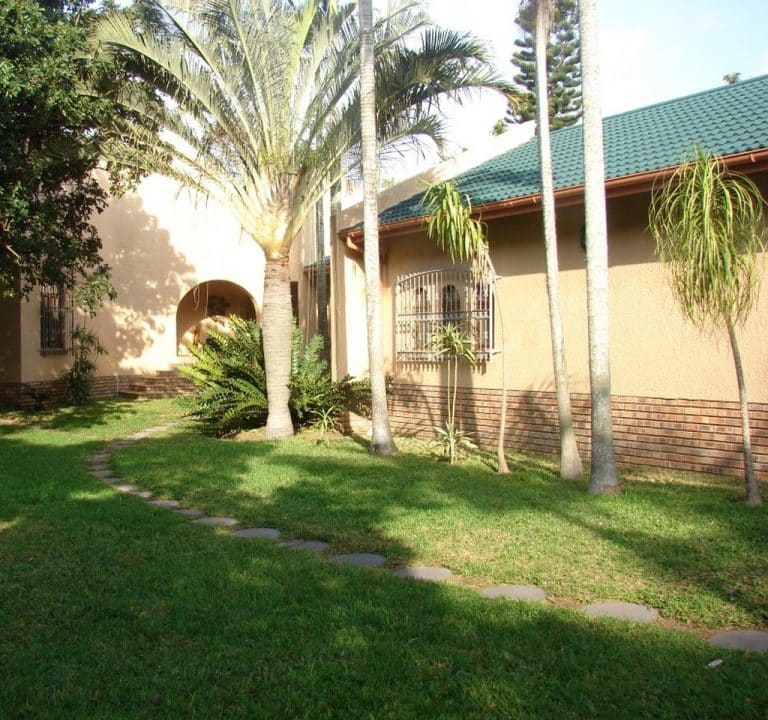
Typical amenities you may encounter include comfortable rooms with private or shared verandas, breakfast-focused service, and access to communal lounges or gardens. Some lodges and B&Bs offer small libraries, outdoor seating with braai (barbecue) facilities, or even in-house massage services. If you are visiting with family, check for family rooms or adjacent units, as well as options for child-friendly activities nearby.
Planning practicalities and timing
- Best time to visit: the dry winter months (roughly May to September) are popular for clearer skies and comfortable daytime temperatures, though rainfall can be intermittent. The warmer summer period brings lush landscapes and wildlife activity, but can be humid with showers. Shoulder seasons often offer a good balance of pleasant weather and fewer crowds.
- Transport: a private vehicle is the simplest way to move between the town, reserves, beaches, and restaurants. There are local operators that run guided tours if you’d prefer not to drive. Roads are generally good, but some beachside or park entrances may require a short drive on gravel paths.
- Safety and preparedness: pack sun protection, light layers for cooler evenings, and a basic first aid kit. If you plan to explore iSimangaliso Wetland Park, bring sturdy footwear, water, and your map or GPS for self-guided routes.
- Health considerations: malaria is not common in all areas year-round, but check current guidance for the northern KwaZulu‑Natal region and plan vaccinations accordingly if visiting remote places or reserves. Always follow local health advisories for water and food safety.
Experiences and dining on offer
Within a short walk or drive from many accommodation options, visitors can enjoy scenic estuary walks, boat trips to see hippos and crocodiles, and guided nature drives or birdwatching sessions. The surrounding region is home to diverse ecosystems, from coastal dunes to wetlands, making it a favourite for nature lovers and photographers alike. Dining ranges from informal café-style meals to seafood-focused eateries and family-run restaurants offering traditional flavours. Many establishments highlight fresh, locally sourced ingredients and warm, hospitable service.
Practical tips for a smooth stay
- Book ahead, especially for peak travel periods and holiday weekends, and confirm cancellation policies in writing.
- Ask hosts or reception for recommended day trips, including times for low-traffic boat rides or early-morning safaris, which can maximise wildlife sightings.
- Check whether your accommodation offers airport or town transfers, and clarify vehicle hire options if you plan to explore beyond St Lucia by road.
- Consider a stay at Lodge Afrique, a bed & breakfast property in St Lucia, which provides a base from which to explore the surrounding attractions. Visit their official site for details: http://www.lodgeafrique.com/.
In short, St Lucia offers approachable, comfortable bases from which to enjoy KwaZulu‑Natal’s coastal and wildlife highlights. With careful selection of where you stay, a well-planned itinerary, and a touch of flexibility, visitors can experience memorable mornings on the estuary, relaxed afternoons in the shade, and evenings of local hospitality that epitomise KwaZulu‑Natal’s inviting spirit.