St Lucia, KwaZulu-Natal: where to stay and what to do
St Lucia in KwaZulu-Natal is a laid‑back gateway to one of South Africa’s most diverse natural landscapes. The town sits at the edge of the iSimangaliso Wetland Park, a UNESCO World Heritage site, and acts as a convenient base for safari-style experiences, river cruises and coastal exploration. When planning a stay, consider both accommodation style and the surrounding areas to make the most of your time.
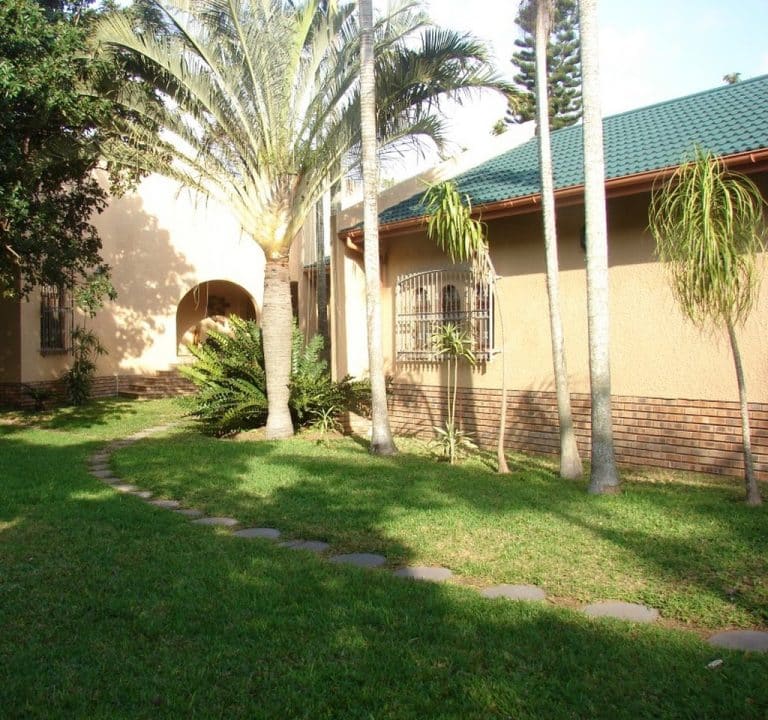
One appealing option in St Lucia is a family‑run bed & breakfast such as Hornbill House, which can offer a warm, personalised welcome and a hearty start to the day. B&Bs typically combine comfortable rooms with a homey atmosphere, easy tips from your hosts on local sights, and breakfast that may include fresh fruit, yoghurt and traditional favourites. Look for a property that emphasises a relaxed, safe environment, particularly if you are travelling with children or a group.
Areas to consider when choosing where to stay include the town centre for convenience, the edge of the estuary for water‑side views, or quieter suburban streets if you prefer silence at night. Staying close to the town centre makes it easy to stroll to small eateries, bottle stores and the morning market, while a few minutes along the estuary road can bring you onto wooden boardwalks with birdwatching opportunities and canal-side scenery. If you are visiting during peak wildlife activity, proximity to the estuary or gateways to guided tours can save you time and transport costs.
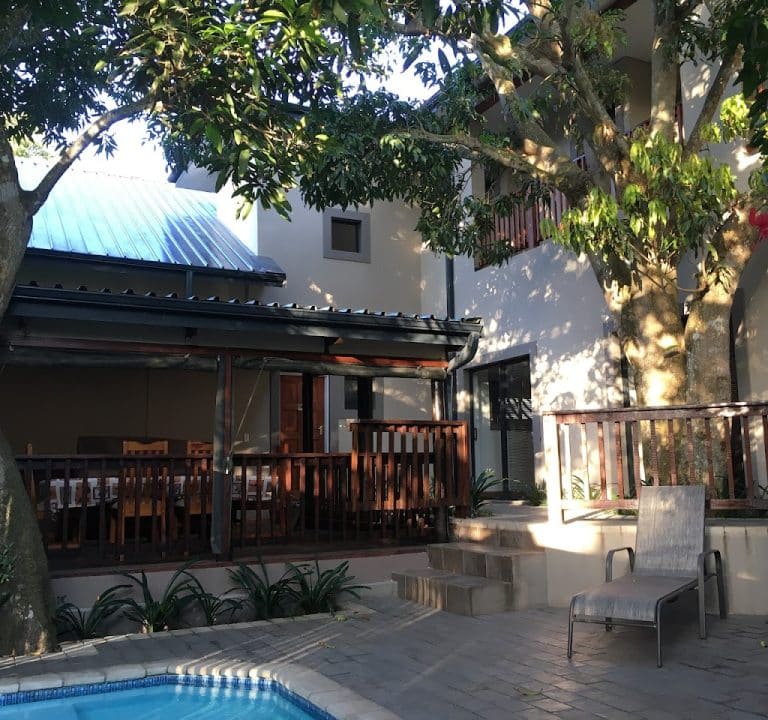
When booking, think about the essential amenities that will support a comfortable visit. Reliable air‑conditioning or ceiling fans can be important in humid months, and decent Wi‑Fi is worth prioritising if you need to keep in touch or plan day trips. En‑suite bathrooms are common in B&Bs and guesthouses, but confirm shower type and water pressure if possible. A shaded outdoor area or a pool can be a welcome extra after a day of exploring, especially in the warmer seasons. For families, a property with child‑friendly facilities or extra beds can simplify arrangements.
Transport in and around St Lucia is straightforward but varies by season. The town itself is walkable for short trips, and many guests rely on a hire car to access remote beaches, protea‑filled viewpoints, or the estuary mouth at different tides. If you prefer not to drive, check whether your accommodation can arrange transfers or advise on safe taxi options. For nature excursions, several operators offer guided boat trips along the river and boat safaris into the wider park, with some tours including birdwatching, hippo and crocodile sightings, and seasonal marine life.
Best time to visit St Lucia generally aligns with the region’s warm, subtropical climate. The summer months (roughly November to February) bring longer days and lush landscapes but can be hotter and more humid, with higher rainfall in the afternoons. Winter (June to August) tends to be cooler and drier, often bringing pleasant conditions for outdoor activities and coastal walks. Migratory bird activity can be particularly rewarding in the shoulder seasons. If you are aiming to combine a stay with wildlife encounters, check if there are seasonal openings for river safaris and nature drives, and be prepared for variable weather, especially in the wetter months.
Activities and attractions in and around St Lucia are designed to be approachable for a wide range of visitors. A stay can combine gentle river excursions with self‑guided nature walks, afternoon picnics by the estuary, and visits to nearby beaches. The iSimangaliso Wetland Park offers a landscape where wetlands meet palm-fringed shores, with opportunities for birdwatching, coastal scenery and serene sunset moments. Consider booking a guided activity to learn about the ecosystem, the area’s cultural heritage, and practical tips for respectful wildlife viewing. For those who enjoy dining out, the town offers a mix of casual cafés and more traditional eateries that showcase local flavours, with seafood often featuring prominently on menus. When choosing where to eat, look for places that source ingredients locally and offer simple, unfussy service in a relaxed environment.
Practical planning tips to help you enjoy a smooth stay:
- Book accommodation with an early start to day trips in mind; some excursions operate on tight schedules linked to tides and wildlife activity.
- Check tide times if you plan estuary or beach activities, as some experiences are tide‑dependent.
- Pack lightweight clothing for daywear, a light jacket for cooler evenings, sun protection and a hat for outdoor activities.
- Bring insect repellent and consider a small first‑aid kit for sandflies and minor scrapes on boardwalks.
- Respect wildlife and follow local guidance during guided and self‑guided tours; keeping a respectful distance helps protect both guests and animals.
For inspiration and planning, many visitors start with a general overview of the region’s natural beauty and then tailor a balanced itinerary that blends accommodation comfort with outdoor exploration. Useful online resources can help you identify suitable areas, compare properties, and browse experiences that fit your pace and interests. A well‑placed plan often combines a couple of nights near the estuary with day trips to surrounding coastal areas and protected parks, ensuring you experience the essence of St Lucia while maintaining a comfortable rhythm throughout your stay.
When ready to book, consider checking the property’s official website for the most accurate information on rooms, rates, and availability. If you prefer pooling advice, travel forums and reputable tourism sites can offer recent guest feedback and practical tips. For further reading, the iSimangaliso Park site provides background on the region’s ecosystems and conservation efforts, which can enrich your visit. Learn more about iSimangaliso.