Accommodation in Cape Town: planning your stay and enjoying the city’s many experiences
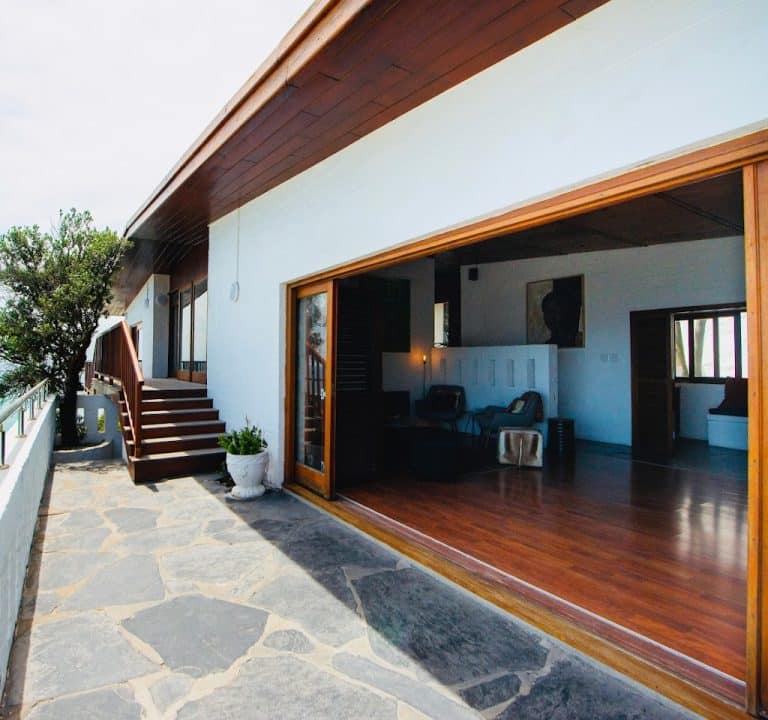
Cape Town, set between the Atlantic and a dramatic mountain backdrop, offers a wide spectrum of places to stay—from stylish city apartments and boutique guesthouses to family-friendly hotels and luxurious lodges. When planning a visit, it helps to think about the areas that best fit your interests, the pace you want, and how you’ll get around to explore the surrounding attractions. For indoor lodging leaning towards self-contained comfort, a property like White Cliffs Penthouse can provide a private base with convenient access to both city sights and coastal scenery, depending on its location and transport links.
The city is as much about the neighbourhood as the building you choose. The City Bowl and the Central Suburbs offer easy access to museums, markets, and vibrant dining scenes, while the Atlantic Seaboard and Camps Bay present scenic stays near beaches and sunset views. Constantia provides lush wine estates and tranquil ambles, a different pace from the urban core. When you select a neighbourhood, consider how you’ll move each day: proximity to MyCiTi bus routes, rideshare options, and whether you’ll be hiring a car for day trips to the Cape Winelands or the Cape Point reserve.
Typical amenities you might expect in well-regarded accommodation include well-equipped kitchens or kitchenettes, reliable WiFi, in-room climate control, secure parking, and access to communal lounges or outdoor spaces. Some properties offer extras such as a swimming pool, gym, or concierge services to help book experiences. For families, look for flexible bedding configurations, child-friendly spaces, and close-by parks or beaches. For business travellers, a quiet workspace, USB charging points, and efficient housekeeping can make a big difference. If you plan longer stays, a self-catering option in a safe neighbourhood can be both convenient and cost-effective.
Booking tips to keep in mind:
- Check the exact location on a map to understand what you’ll be within walking distance of and what might require transport.
- Read guest reviews for insights into noise levels, accuracy of listings, and how helpful hosts or staff are for local tips.
- Clarify what is included in the rate—parking, breakfast, housekeeping, and late check‑in options vary between properties.
- Look for flexible cancellation policies, especially if your plans may change with weather or activity schedules.
- Consider the season and what the area feels like at different times of year to avoid crowds or to catch events and markets.
Best time to visit Cape Town depends on what you want from the trip. Late spring (September to November) brings mild weather, blooming gardens, and ease of sightseeing before peak crowds. Summer (December to February) is warm and lively, with beach days and outdoor markets, though it can be busier. Autumn (March to May) offers pleasant temperatures and quieter streets, while winter (June to August) brings cooler conditions and occasional storms, but also dramatic scenery and fewer visitors to some attractions. Pack layers, a light rain jacket, and sturdy footwear for coastal paths and Table Mountain trails.
Getting around the city is straightforward but varies in convenience by area. The MyCiTi bus network serves many routes across the metropolitan area, and rideshare apps are widely available. If you’re staying in a quieter district or planning day trips to the Cape Winelands, Constantia, or nearby towns, renting a car can be the most practical option. Many guesthouses and boutique hotels offer parking or shuttle services. For shorter hops, a scenic coastal walk along the Atlantic Seaboard can be a memorable part of your daily routine.
Key attractions span natural beauty, culture, and history. Iconic Table Mountain and the cable car provide panoramic views and superb hiking options. The Cape Peninsula coastal route offers dramatic cliffs, penguin colonies at Boulders Beach, and penguin-friendly shores. In the city, waterfront promenades, markets, and contemporary art spaces showcase South Africa’s vibrant creativity. History lovers may plan visits to heritage sites and tours that offer context about the region’s past and its modern developments. For food and drink, Cape Town’s diverse culinary scene ranges from coastal seafood and bistro-style eateries to fine dining that emphasizes seasonal produce and regional wines. Many restaurant descriptions emphasise ambience and quality ingredients rather than specific dishes, so you’ll enjoy discovering menus that highlight local flavours and global techniques.
Practical tips to help your stay go smoothly:
- Pack a universal adaptor and a compact day pack for trips to the winelands or nature reserves.
- Hydrate and protect yourself from the sun, even on cooler days, as UV exposure can be strong near the coast.
- Respect local regulations and environmental guidelines when visiting natural areas and marine reserves.
- Budget time for travel between areas, as traffic and roadworks can affect journey lengths in peak hours.
- Arrange a gentle plan that balances restful days with activity days so you don’t burn out during a city-rich itinerary.
Cape Town rewards slow discovery as well as bold adventures. Whether you stay in a modern apartment with city views, a cosy guesthouse in a leafy suburb, or a stylish lodge near the coast, your accommodation should feel like a gateway to both the natural splendour and the culinary vibrancy of the Western Cape. Plan with flexibility, choose a locality that suits your pace, and you’ll uncover a layered destination where landscapes and experiences readily complement one another.
For more information and inspiration on places to stay and things to do, explore reputable travel resources and official tourism sites that offer up-to-date guidance on neighbourhood highlights, transport options, and seasonal events.