Discovering Cape Town: Where to stay, what to do, and how to plan a memorable visit
Cape Town is a city that combines bold natural beauty with a rich cultural tapestry. When planning accommodation, you’ll find a range of options from boutique hotels and stylish guesthouses to self‑catering apartments and modern lodges. The key is to choose a base that suits your pace, whether you want easy access to the beach, stunning mountain views, or a lively urban atmosphere. The city’sNeighbourhoods offer distinct vibes, so consider how you want your days to unfold and what you’d like to be close to.
Areas to consider include the City Bowl and De waterkant for easy central access and homely concierge service; the Atlantic Seaboard, including Camps Bay and Clifton, for beachside scenery and sunset strolls; Green Point and V&A Waterfront for restaurants, nightlife and transport links; and the southern suburbs, such as Constania or Hout Bay, for a quieter pace and scenic drives. If you’re after a taste of local colour, a stay in Bo-Kaap with its colourful houses and cobbled lanes can be memorable, while Woodstock and Mitchells Plain offer more affordable options and a growing arts scene. For wine lovers, lodging in Constantia or the False Bay coast provides day trips to renowned wine estates with serene hillside views.
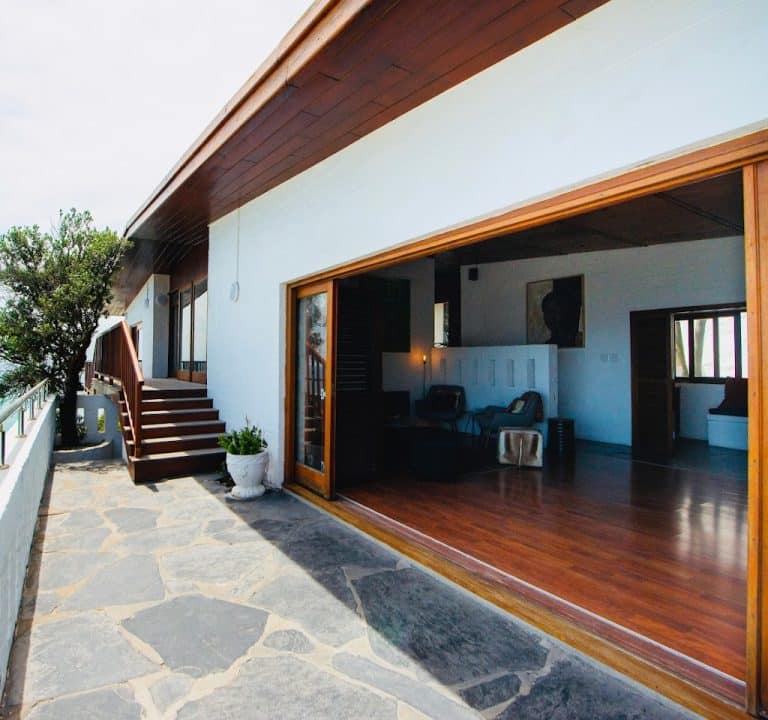
Typical amenities you’ll encounter include complimentary Wi‑Fi, tea and coffee facilities, and often breakfast options or access to a shared kitchen. Many properties pride themselves on distinctive design, terraced balconies, or garden courtyards. Parking availability varies, so if you’ll be travelling by car, look for secure on‑site parking or convenient street parking rules. If you’re staying near the coast, enquire about sea views and step‑out access to a promenade or beach. Accessibility is another consideration; check for lifts, level access, or ground‑floor rooms if needed.
Planning a stay in Cape Town also means weighing transport and access. The city’s MyCiTi bus network offers convenient routes across many tourist hotspots, while Uber and local taxi services provide flexible door‑to‑door options. If you plan day trips to the Cape Peninsula, a hire car can be useful, though many tours operate from central hotel pick‑ups. When preparing for your daily itinerary, consider early starts to beat crowds at popular sights and to capture the morning light on iconic backdrops such as Table Mountain. In peak season, mornings are especially popular, so booking ahead for guided tours or tickets to restricted‑access viewpoints is wise.
The best time to visit Cape Town depends on what you want from your trip. Summer (December to February) gives long days, warm sea temperatures, and vibrant outdoor life, but it’s also peak season. Late spring (September to November) and autumn (March to May) offer milder weather, calmer crowds, and excellent conditions for hiking and vineyard visits. Winter (June to August) is cooler and wetter, yet some cloudy, dramatic skies can be perfect for dramatic mountain photography and city wanderings indoors at galleries and eateries. Pack layers, a waterproof jacket for bay breezes, and sun protection for beach days. Always check local advisories and plan for sudden weather changes, especially along the coast where sea breezes can be strong.
When it comes to experiences, Cape Town has a wide appeal beyond its beaches. You can ascend Table Mountain by cable car or hike for panoramic views, explore the V&A Waterfront with its markets, or take a harbour cruise. The Cape Peninsula offers dramatic coastal drives, penguin viewing at friendly colonies, and picturesque viewpoints. Kirstenbosch National Botanical Garden reveals the region’s fynbos splendour, while winelands nearby invite leisurely tastings and cellar door experiences. Food lovers will enjoy fresh seafood, colourful markets, and diverse cuisines reflecting Cape Town’s cosmopolitan culture, from neighbourhood cafés to fine dining restaurants. For a deeper cultural insight, guided walking tours can reveal the history and architectural character of the city, including the vibrant street art scene and historic districts.
Booking tips to help you get the most from your stay:
- Book accommodation with flexible cancellation where possible, especially if travel plans may shift.
- Choose a base with easy access to public transport or reliable ride‑hailing options to minimise transport stress.
- Look for properties with good security, a responsive host or front desk, and clear information about neighbourhood safety and local etiquette.
- Check what’s included in the rate (breakfast, parking, Wi‑Fi) and what requires a supplement.
- Consider a short staying plan that allows you to explore a few distinct areas rather than moving every day, which can be tiring in a city with variable traffic.
Practical tips for visitors: always carry a copy of key documents, respect local customs and neighbourhood norms, and be mindful of climate variability—especially near the coast where breeze can be cooler than inland. If you’re arriving with luggage, ask about early check‑in possibilities or secure luggage hold options. For those who enjoy spontaneous dining, Cape Town’s culinary scene offers a broad spectrum of eateries, from casual cafés to stylish bistros and contemporary restaurants; many operate with seasonal menus that showcase fresh, locally sourced ingredients. To plan further, reputable tourism sites provide up‑to‑date information on attractions, hours, and access. For inspiration or practical planning, you can visit official Cape Town tourism pages and related resources to map your route and tailor your stay to personal interests.
With careful planning, Cape Town can offer a balanced blend of relaxation, scenic beauty, and vibrant city life. From a comfortable base in a well‑located neighbourhood to easy access to both natural wonders and cultural experiences, you’ll find that your stay can be as laid‑back or as full as you want it to be. For more planning ideas and ideas on where to stay, explore reputable travel guides and official tourism resources at your convenience: Capetown.travel and the broader Western Cape tourism portal.