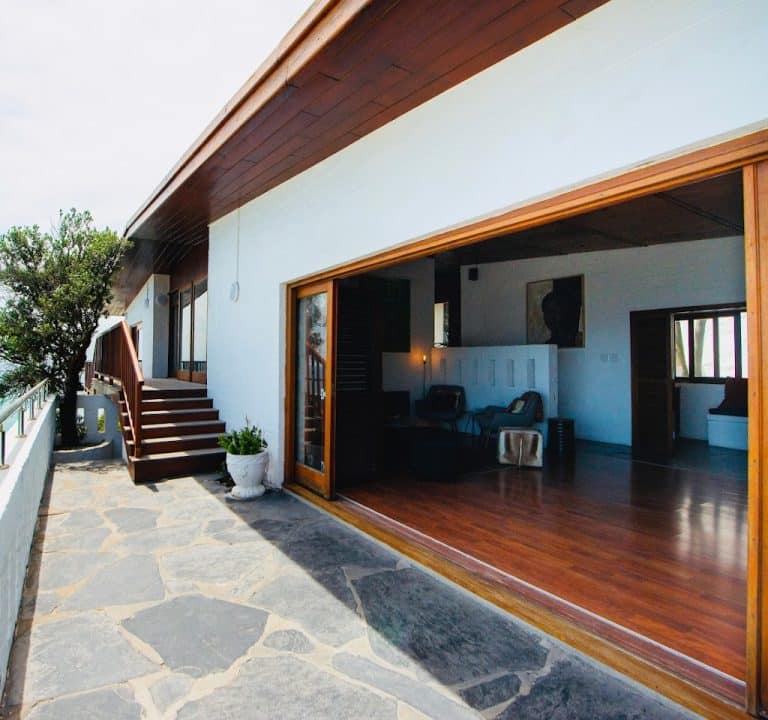
Cape Town: Where to stay and what to do
Cape Town, set between the dramatic Table Mountain and the Atlantic Ocean, offers a diverse range of accommodation that suits every traveller’s style and budget. From stylish city-centre boutiques to relaxed coastal guesthouses, the choice is as varied as the scenery. When planning a stay, consider the areas that best match your interests, the pace you want, and the kind of access you need to sights, beaches, and dining.
City Centre and the Foreshore provide convenient access to museums, markets, and a vibrant dining scene. This hub is ideal for first-time visitors who want to walk easily to attractions, public transport, and guided tours. The Atlantic Seaboard, including Camps Bay and Clifton, is famous for its beaches, sunset vistas, and trendy eateries. The Constantia Valley offers a quieter, wine-country atmosphere with picturesque guesthouses and guest-friendly estates. For culture and history, the Bo-Kaap neighbourhood delivers colourful streets, cafés, and a sense of Cape Town’s heritage, while the V&A Waterfront combines shopping with harbour views and easy ferry connections to nearby sights.
When choosing accommodation, look for a few common amenities that make a stay comfortable and practical. Reliable heating or cooling for year-round comfort, a well-equipped kitchenette or breakfast options, and access to secure parking or transport assistance can greatly affect convenience. Many properties offer on-site or close-by eateries, guided tours, and flexible check-in arrangements. If you are travelling with family or in a small group, consider properties with generous living spaces, multiple bedrooms, or communal areas where everyone can gather after a day of exploring.
Transport is a key planning element in Cape Town. The city has a growing public transport network, including MyCiTi buses and rail links to outer suburbs, but many visitors find that a rental car offers the most flexibility for exploring the Cape Peninsula, Constantia, Kirstenbosch, and day trips to Cape Point. If you prefer not to drive, look for centrally located stays that can arrange taxi services, rideshares, or guided tours. In coastal areas, walkability to beaches, restaurants, and sunset viewpoints is a big plus, while hillside or garden-suburb locations may require a short ride to reach the shore or the city sights.
Booking considerations also include seasonality and weather. South Africa’s spring (September to November) and autumn (March to May) provide pleasant temperatures and fewer crowds, ideal for comfortable sightseeing without peak-season prices. December to February brings warmer, busier conditions and lively outdoor scenes, while June to August can be cooler and windier but still offers excellent options for indoor activities, wine tasting, and cultural events. Always check cancellation policies and how guest services are managed, especially for longer stays or budget-focused properties.
Beyond accommodation, Cape Town offers a spectrum of experiences that suit many interests. Nature lovers can plan time to explore Table Mountain and the surrounding nature reserves, either by cable car or by scenic hikes. The Cape Peninsula route offers dramatic coastal drives with viewpoints, penguin colonies, and pristine beaches. Foodies will find a thriving scene, from casual markets and seaside eateries to wine estate restaurants with scenic views. Many visitors enjoy pairing a day of sightseeing with a relaxed meal at a well-rated bistro or cafe, followed by a sip of local wine or a tasting at a nearby cellar door.
For those seeking structure, consider a gentle mix of day trips and relaxed days. A morning ride to the Constantia Valley or the wine routes nearby can be paired with a leisurely afternoon by the pool or a beach walk. Cultural highlights, such as historic neighbourhoods, markets, and galleries, offer insight into the city’s diverse communities. Evening options range from sunset sails and harbour walks to casual dining in vibrant districts or refined tasting menus in wine country estates.
Practical tips to enhance your stay:
- Choose accommodation with secure storage for luggage and, if possible, a good guidebook or local recommendations from hosts or staff.
- When booking, verify proximity to transport links, dining options, and the attractions you plan to visit most.
- Pack layered clothing to adapt to changing conditions on the mountain, along the coast, or in city venues.
- Respect local safety guidance, especially in busy urban areas or at night, and make use of trusted transport options.
- Look for properties with flexible check-in and clear guidance on arrival, as well as helpful information on parking or nearby public transport.
To plan your stay, consult official visitor resources for Cape Town and the Western Cape, which provide maps, suggested itineraries, seasonal tips, and practical travel information. Websites offering neighbourhood guides can help identify a base that aligns with your interests, whether you want beachfront ease, a central hub of activity, or a peaceful garden setting. By choosing a well-situated accommodation and pairing it with a balanced mix of sights, meals, and downtime, you can enjoy a memorable Cape Town visit that feels both rewarding and relaxed.