A Practical Guide to Accommodation, Attractions and Dining in Jeffreys Bay
Jeffreys Bay in the Eastern Cape is renowned for its long sandy beaches, world-class surf and a relaxed coastal vibe that makes it a popular destination for both short breaks and longer escapes. When planning a stay, it helps to think in terms of where you’ll be based, what you want to do each day, and how you’ll get around. The town offers a range of options from boutique guesthouses and self-catering apartments to comfortable hotels and lodges, many of which are within easy reach of the main beach and town centre.
Areas to consider for your stay include the central beachfront and the town’s neighbourhoods a little further back from the shore. The beachfront and nearby residential pockets provide easy access to waves, promenade walks, and sunset views, while quieter inland pockets can be more suitable for families seeking a slower pace and a bit more space. If you’re planning a multi-day surf pilgrimage or a nature-focused break, look for properties that offer secure bike or surfboard storage, convenient access to public transport routes, and easy lifting of luggage from the street to the unit.
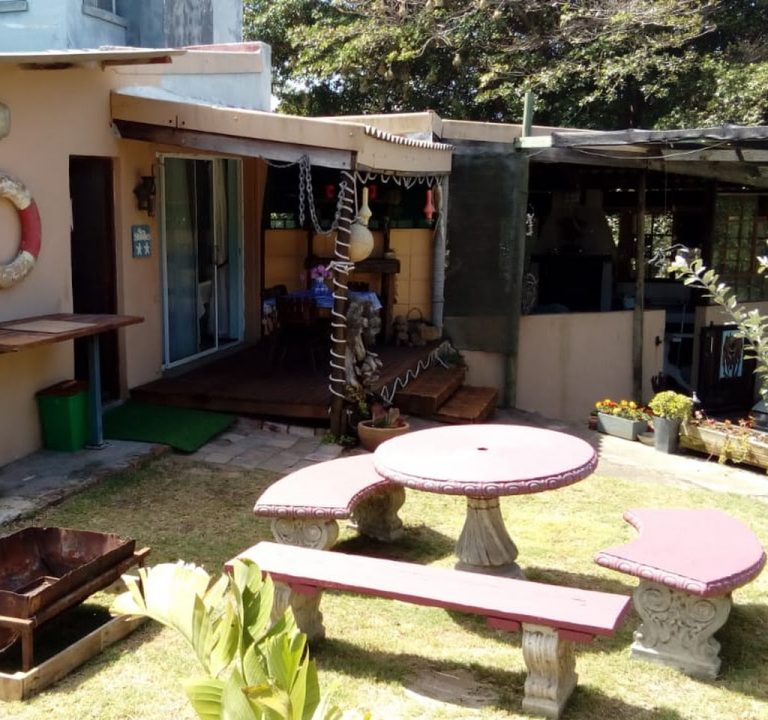
When booking, consider the following practical features. Look for well-equipped kitchens or kitchenettes if you enjoy self-catering, reliable Wi-Fi for work or streaming, and ample on-site parking if you’re travelling by car. On-site amenities such as outdoor spaces (balconies, patios or shaded courtyards), outdoor showers, and laundry facilities can make longer stays much more comfortable. Hosts with local knowledge can be invaluable for planning day trips to nearby natural attractions, trailheads, or coastal viewpoints.
Typical accommodation types you’ll encounter include guesthouses with friendly, personalised service, self-catering flats or cottages, boutique hotels with a focus on style and comfort, and family-friendly lodges set within landscaped grounds. Room configurations vary, so if you’re travelling with kids, check for family rooms or suites that offer separate sleeping areas. Accessibility features can also be important, so if you have mobility considerations, verify step-free entries, wide doorways, and the availability of ground-floor units or lifts where applicable.
Transport in Jeffreys Bay is straightforward. A car is the most convenient way to explore the region and reach surf breaks, viewpoints, and dining spots at your own pace. If you’re flying into the region, the closest major cities offer road connections or domestic flights to nearby airports, from which it’s a scenic drive or a short transfer to Jeffreys Bay. Within the town, taxis and ride-hailing services are available, and some guesthouses offer shuttle arrangements or guided day trips. If you’re a cycling enthusiast, several routes along the coast are well-suited to bikes, with plenty of beach access points and quiet inland roads.
Best time to visit Jeffreys Bay depends on what you want from your trip. The town’s summer months bring warm seas, longer daylight hours, and a lively coastal atmosphere, ideal for sunbathing and family seaside days. For surfers, autumn and winter can offer larger swells and challenging breaks, though offshore winds can create variable conditions. Spring brings a pleasant balance of mild weather and manageable crowds, while winter is typically quieter outside peak surf periods. Pack layers to adapt to sea breezes and cool evenings, and bring a light rain jacket for occasional showers, as coastal weather can be changeable.
Practical tips to make the most of your stay:
- Book flexible rates where possible, especially if your itinerary might shift due to weather or surf conditions.
- Check for late check-in options and self-check-in facilities if you’re arriving after dark or on a late flight.
- Ask hosts or reception teams about the best local surf zones, protected swimming areas, and safe coastal paths for sunset walks.
- Look for properties offering laundry facilities and a good-sized kitchen if you plan several days on the coast.
- Plan at least one day of leisure beyond the beach, such as a coastal hike, a nature reserve visit, or a casual stroll through town to sample local eateries.
Beyond the beach, Jeffreys Bay offers a range of visitor experiences. Coastal viewpoints and nature reserves provide opportunities to observe seabirds and marine life, while the town’s general atmosphere invites relaxed exploration along pedestrian-friendly streets. For dining, you’ll find casual spots and family-friendly eateries where guests can enjoy light meals, hearty breakfasts, and seafood dishes with a coastal twist. When selecting a restaurant, consider places with shaded outdoor seating and a menu that offers something for travellers seeking familiar favourites as well as lighter, seasonal options. Many venues are within a short stroll or a quick drive from accommodation, making it easy to dine without long commutes.
For those planning a broader itinerary, consider day trips to nearby coastal towns, wildlife-watching areas, or scenic coastal drives. Local tourism resources and official websites often provide practical information on trails, beaches with Blue Flag status where applicable, and suggested routes that showcase the region’s landscapes. A well-planned stay balances comfortable accommodation with access to both the signature surf experiences and calmer inland activities, ensuring every day can be filled with something enjoyable without long transfers.
Jeffreys Bay remains a destination that rewards a relaxed pace and a well-considered plan. By choosing the right area to stay, evaluating the essential amenities, and pairing your beach days with selective excursions and good meals, you can craft a satisfying visit that reflects the town’s laid-back charm while giving you the flexibility to adapt to the conditions of the day. For further ideas and planning help, briefings from accommodation hosts or local tourism pages can point you toward current conditions, the best local routes, and practical tips to optimise your stay.