Accommodating Jeffreys Bay: where to stay, what to expect and how to plan your visit
Jeffreys Bay in the Eastern Cape is renowned for its long, golden beaches, surf culture and a relaxed coastal vibe. When planning a stay, many visitors focus on choosing the right area, understanding common facilities, and mapping out a practical itinerary that balances beach time with local flavour. Ranging from guest houses and boutique inns to self-catering flats, the town offers options to suit different budgets and preferences. A stay near the main beach and town centre provides easy access to waves, shops and eateries, while quieter neighbourhoods a short drive away can offer more spacious rooms and a calmer atmosphere.
Key areas to consider when choosing accommodation include the beachfront strip, which tends to put you within easy reach of the sands and surf schools; the town centre, ideal for guests who want a lively scene and a short walk to cafés and shops; and residential pockets a little farther from the coast for more space and a slower pace. If you’re travelling with family or a group, look for family rooms, apartment-style stays or guest houses with multiple bedrooms and communal spaces. For visitors chasing quieter mornings or a bushy backdrop, consider lodges on the outskirts where the outlook includes more vegetation and wildlife behind a sandy coastline.
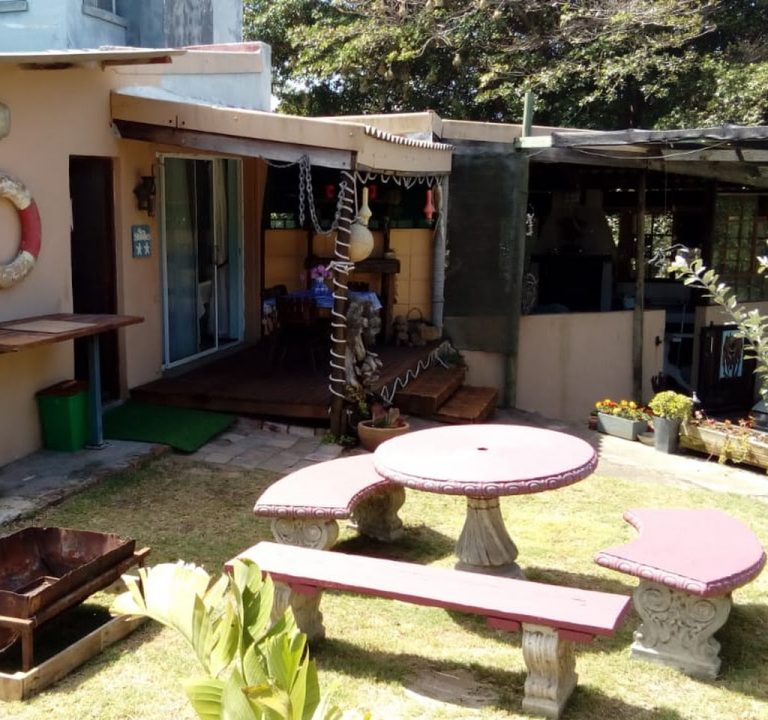
Typical amenities you can expect in Jeffreys Bay accommodation include reliable Wi‑Fi, en-suite bathrooms, secure parking, and daily housekeeping in many guest houses. A common feature in guest houses and boutique stays is a hearty breakfast or the option to order meals to suit dietary needs. Some properties offer self-catering facilities, outdoor seating areas, and barbecues, which are perfect for relaxed evenings after a day on the beach. If you’re travelling with a vehicle, check the availability of on-site or nearby parking, and whether transfer services or local shuttle options are offered or can be arranged.
- Beach proximity and access to surf or swimming zones
- En-suite facilities and private entrances for added privacy
- On-site parking or secure storage for equipment
- Breakfast options, kitchen access or room-only rates
- Free or paid Wi‑Fi, cleaning schedules, and guest lounge areas
- Wheelchair accessibility, child-friendly spaces, and safety features
Planning a stay in Jeffreys Bay also requires a practical approach to transport. A car is the most convenient way to explore beyond the immediate coast, especially if you plan day trips or early morning sessions at different beaches. Public transport options exist but can be limited outside peak tourist areas, so a rental car often provides the most flexibility. If you opt for guided activities or longer excursions, check whether your accommodation offers recommendations or concierge services to arrange transfers, surf lessons, or nature walks. In many cases, reception staff can point you to the best local operators for beginner-friendly experiences as well as more advanced surf sessions.
The best time to visit Jeffreys Bay depends on what you want from your trip. The town’s surf season typically peaks during the winter months, but the coastline is pleasant year-round. Spring and autumn bring mild weather and fewer crowds, making it a good choice for travellers who want to balance beach days with activities such as hiking or exploring coastal reserves. Summer can be busy, with family holidays and more activity along the beachfront, so booking well in advance is wise for peak periods. If you’re drawn to wildlife or nature walks, plan a visit during calmer seasons when roads and trails are less crowded, but keep in mind that water temperatures and wind conditions can influence beach time and outdoor plans.
When it comes to attractions and experiences, Jeffreys Bay offers a blend of natural beauty and relaxed coastal culture. Long, sandy beaches invite sunbathing and swimming when conditions allow, while the headland and dunes provide ideal spots for sunrise walks and birdwatching. Surf lovers can observe seasoned surfers riding famous breaks, and beginners may find nearby surf schools that cater to initial lessons. Beyond the beach, you can explore coastal trails, local markets, and cafés that showcase the region’s casual dining scene. For families, there are safe play areas and gentle outdoor activities within easy reach of most guest houses and guest houses with family-friendly rooms. A visit to nearby coastal towns and nature reserves can provide a broader South African coastal experience without requiring long road trips.
Practical tips for a smooth stay:
• Pack sun protection and a light layer for cooler mornings and evenings, plus a beach-ready bag for trips to the coast.
• Bring a small amount of cash for local markets, with cards accepted in many shops and eateries. Check whether your chosen accommodation accepts card payments and whether there are nearby ATMs.
• Confirm breakfast arrangements, kitchen access, and quiet hours with your host or hotel staff to align expectations.
• If you’re planning to rent equipment or book lessons, do so in advance during peak seasons to secure slots.
• Observe local rules and safety guidance on beaches and public spaces, particularly around water activities.
For those who want a specific place to consider, a guest house such as Moya Manzi Beach House offers a coastal stay with a focus on guest-friendly service and a relaxed atmosphere. While exact details and website information should be checked in advance, such stays typically provide a comfortable base from which to explore Jeffreys Bay’s beaches, dining options and nearby nature experiences. Whether you prioritise a stylish coastal retreat or a practical, family-friendly base, Jeffreys Bay offers approachable accommodation and a gentle pace that suits a restorative seaside break.