Lavender Breeze and other stays in Jeffreys Bay: planning accommodation and enjoying the town
Jeffreys Bay, on the Eastern Cape coastline, is famed for its long stretches of white sand, world‑class surfing, and a laid‑back vibe that makes it a popular year‑round destination. When planning a stay, think about what you want from the location as well as the type of accommodation you prefer. Options range from intimate guest houses and B&Bs to self‑catering apartments and small hotels, each offering a different window onto the town’s rhythms and the nearby coastline.
One of the appealing features of Jeffreys Bay is its neighbourhood variety. Central Jeffreys Bay places you close to shops, cafés, and the town’s core beaches, with easy access to surf shops and galleries. Paradise Beach and common swell‑watching spots offer a more relaxed, family‑friendly atmosphere with a shorter walk to the shore. Aston Bay is another favoured area, known for a quieter ambience and good access to breaks, while Da Gama Coast and the quieter stretches along Seekoeirivier offer more expansive coastal views and a sense of remoter space. When booking, consider what you want to be close to: groceries and eateries, surf breaks, or simply a quiet spot with sea views.
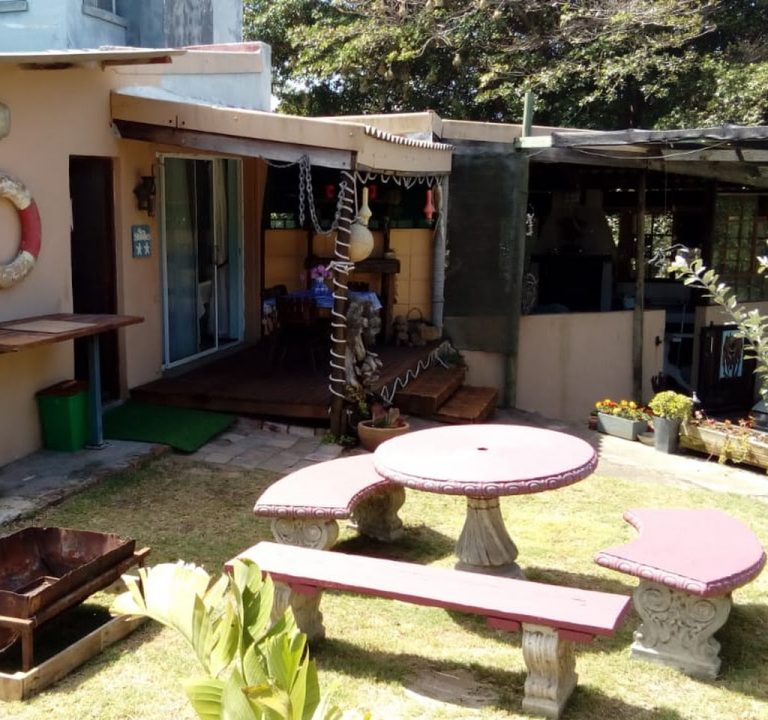
Lavender Breeze, a guest house in the mix of Jeffreys Bay’s accommodation scene, exemplifies how guest houses can balance warmth with practical comfort. In general, expect well‑appointed rooms, en suite facilities, and a welcoming breakfast or self‑service option. Guest houses often emphasise personal touches, such as locally sourced décor or curated local recommendations, which can be especially helpful for first‑time visitors.
When choosing where to stay, look for a few practical features that make a difference to a stress‑free visit. A reliable Wi‑Fi connection is important if you need to keep in touch with family or work remotely. Off‑street parking or a safe off‑road space is valuable in busy seasons. A compact kitchenette or access to self‑catering facilities can be a real convenience if you’d rather prepare a sunrise cuppa or a light meal after a day on the beach. A comfortable lounge area or verandah with sea views adds to evenings spent unwinding after sunset walks along the beach.
- Proximity to beaches and surf breaks
- Access to eateries or self‑catering options
- Parking arrangements and safe access
- Clear information on check‑in times and local tips
- House rules that suit families or solo travellers
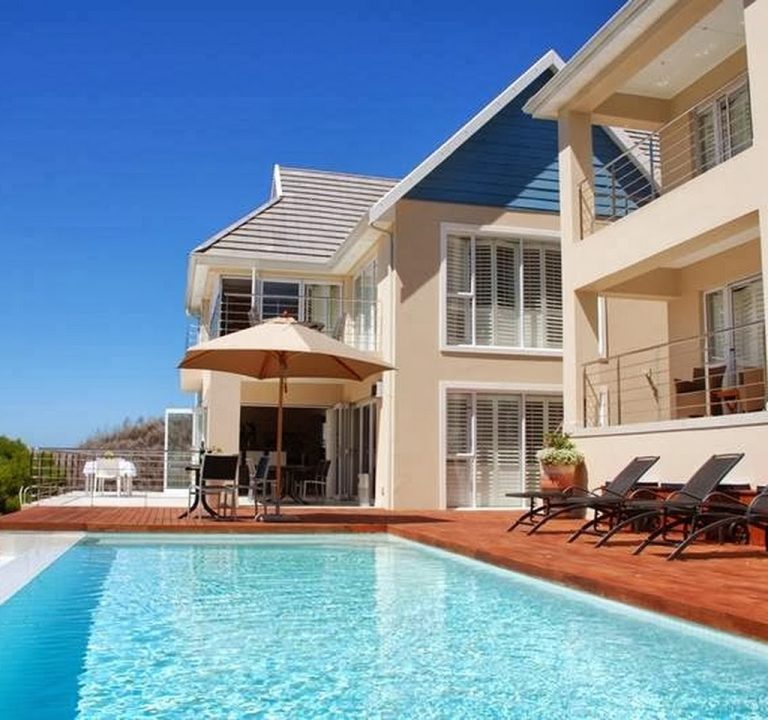
Typical amenities you may encounter include air‑conditioning or fans for warmer months, quality linen, private en suite bathrooms, and in some cases, a spa or pool area. Breakfast options vary; some guest houses offer a full cooked breakfast, while others provide continental or self‑catering amenities. If you’re visiting during peak season, early confirmation is wise, as popular dates can fill quickly. For longer stays, ask about flexible cancellation policies and the possibility of securing a discounted rate for extended visits.
Transport in Jeffreys Bay is relatively straightforward. The town is easy to navigate by car, with most beaches and popular spots within a short drive. If you’re not bringing a vehicle, you can arrange ride‑sharing or rely on local taxi services, though a vehicle does expand your ability to explore the coastline and the nearby towns. For visitors who enjoy a leisurely pace, renting a car for a few days to venture to nearby nature reserves or coastal viewpoints is a good plan. If you’re flying in, the closest major airports are in Port Elizabeth or Mthatha, with road transfers or private cars the common routes into Jeffreys Bay.
The best time to visit Jeffreys Bay depends on what you want from the trip. Summer warms the beaches and brings a lively holiday atmosphere, while autumn and spring offer mild weather and smaller crowds—great for long beach walks, hiking, and exploring local attractions without the peak‑season bustle. Winter can be cooler and breezy but is still pleasant for coastal scenery and off‑season rates. If surfing is a priority, you’ll want to time your stay around those prime swells, but there are surf schools and rental shops that operate year‑round for tuition and equipment hire.
When it comes to experiences beyond the beach, consider gentle coastal walks, points where wildlife is visible, and markets or cafes where you can sample local produce. Dining in Jeffreys Bay ranges from casual seafood spots to family‑friendly bistros and modern eateries. While I don’t list specific prices or awards here, you’ll typically find places offering fresh seafood, Cape‑influenced favourites, and casual meals with sea views or a relaxed garden setting. For planning ideas, you can consult the regional tourism pages or your accommodation host for recommended routes and day trips.
Practical tips for a smooth stay: book in advance during school holidays and major events, check the cancellation policy before confirming, and confirm what is included in your rate (breakfast, parking, daily housekeeping). Pack sun protection and a light jacket for cooler coastal evenings, and bring a reusable water bottle to stay hydrated during long beach days. If you’re exploring with a family, verify the suitability of rooms for children and whether cots or extra beds are available. Finally, when you arrive, chat with your host about local tips—short walks for sunset views, the best family‑friendly beaches, or a quiet afternoon at a less crowded spot—so you can tailor your stay to your preferences and make the most of Jeffreys Bay’s welcoming coastal charm.
For more information on Jeffreys Bay and current lodging options, you can visit local tourism resources or the hosts’ own pages for places like Lavender Breeze and other guest houses, which often provide useful planning tips and guest services. See also general destination information at https://www.jeffreysbay.co.za for ideas on beaches, activities, and practical travel planning.