Cape Town accommodation and planning your stay: where to stay, what to book, and enjoying the city
Cape Town sits at the cradle of South Africa’s most iconic landscapes, from dramatic coastal scenery to lush wine fields and vibrant neighbourhoods. When planning a stay, think about what kind of experience you want—whether you favour a seaside base, a leafy mountain retreat, or a central hub with easy access to museums, markets and cafés. The city offers a wide range of options, from boutique guesthouses and self‑catering units to well‑appointed hotels and serviced apartments. Choosing a neighbourhood that fits your itinerary will help you make the most of your time.
For many visitors, the most convenient approach is to pick a base near the water or in a lively area with good transport links. Camps Bay and Clifton are popular for beach lovers and sunset views, while the V&A Waterfront area offers a compact, walkable environment with easy access to ferry departures and shopping. The central business district and nearby neighbourhoods provide easy access to museums, theatres and iconic attractions, though it can be busier and more urban. Areas such as Green Point, Seapoint, Woodstock, and the Southern Suburbs each have their own character, from modern apartment blocks to historic guesthouses and family‑run lodges.
When looking at accommodation, consider how long you plan to stay and how much you value space, privacy and facilities. Self‑catering units, small hotels and guesthouses can feel homely and flexible, especially for families or groups who want room to spread out or to prepare some meals. In Cape Town, many properties offer secure parking, on‑site kitchens or kitchenettes, and common lounges or terraces with views. If serenity is top of your list, look for properties with quiet rooms, soundproofing, and balconies or courtyards that foster a sense of retreat after a busy day exploring the city and surrounding beaches.
Typical amenities to look for include reliable Wi‑Fi, air conditioning or heating for the climate, daily housekeeping options, and clear access to public transport or parking. A light breakfast is common in guesthouses, while many self‑catering units provide full cooking facilities and easy access to local markets for fresh produce. If convenience matters, a property with 24‑hour reception, on‑site security and helpful staff who can share local tips can make a significant difference to your stay.
Transport is a practical consideration in Cape Town. Uber and other ride‑hailing services are widely available, and many areas are walkable or bike‑friendly for short hops. If you plan to visit the Cape Peninsula or winelands, check whether your accommodation offers concierge or partner tour desk services, or whether you’ll need to arrange transfers. Some properties are within walking distance of cafés, groceries and laundries, while others provide shuttle services or easy routes to main roads and scenic drives.
Peak season in Cape Town typically spans spring and summer (roughly September to April), when the weather is warmer and days are longer. However, shoulder seasons can offer calmer attractions and more affordable rates. If you are drawn to outdoor activities—hiking in Table Mountain National Park, visiting Cape Point, or taking a coastal walk—plan for good weather but be prepared for sudden changes in conditions, especially on the coast. Booking in advance is wise for popular periods and well‑known attractions, but you can often discover hidden gems or local neighbourhoods at a slower pace outside peak times.
Practical planning tips can help you balance discovery with downtime. Start by outlining a realistic daily plan that groups close‑by sights to minimise repetitive travelling. Reserve a couple of must‑do experiences that fit your interests—these might be a guided city walk, a ride along the coast, or a food market visit—then leave flexible blocks for spontaneous adventures. When you choose accommodation, read recent guest reviews for insight into noise levels, comfort, and the responsiveness of staff. Look for updated facilities, clear policies on cancellations, and transparent pricing to avoid surprises.
In terms of dining and experiences, Cape Town’s hospitality scene is diverse. Expect a mix of refined restaurants, casual eateries and local cafés offering fresh seafood, produce from nearby farms, and multicultural influences. Many properties partner with nearby venues or offer curated experiences, such as wine tastings in nearby regions, coastal sunset cruises, or guided nature walks. When considering restaurants, you’ll benefit from choosing places that align with your pace—some evenings want a relaxed meal with a sea view, while others crave a vibrant urban setting with live music or a bustling market atmosphere. Always check recent reviews for consistency and service standards.
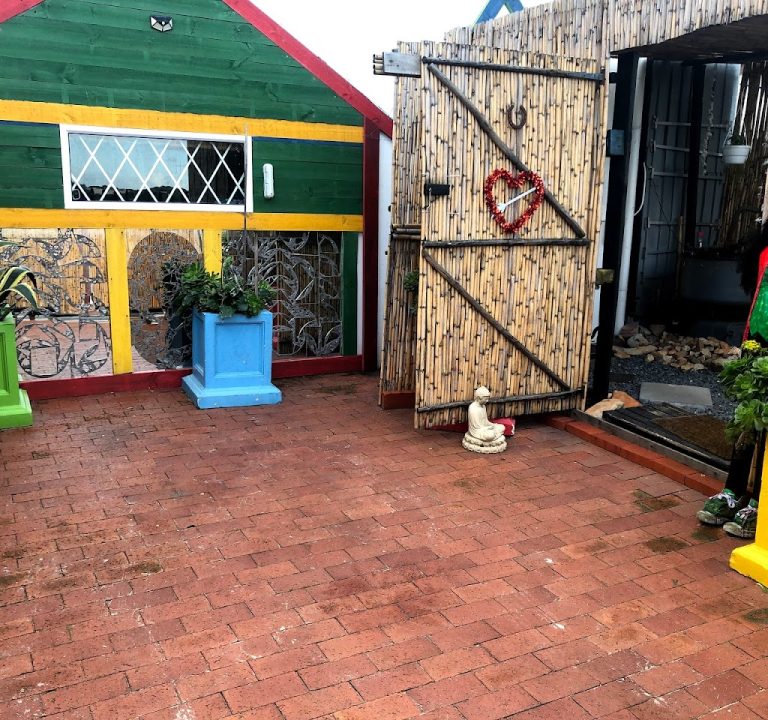
Accommodation examples such as Whispering Woods Self‑Catering Unit (where available) illustrate the appeal of self‑contained spaces that combine home‑from‑home comfort with the option to explore locally at your own pace. For guests seeking a more traditional hospitality experience, a stylish guesthouse or a boutique hotel can offer the reassurance of daily cleaning, on‑site staff, and curated itineraries, while a serviced apartment or condo can provide the extra space for longer stays and a sense of permanence during a city break.
To plan a balanced stay, consider a mix of neighbourhood exploration and day trips. A central hub can underpin easy access to museums, markets and city tours, while a coastal or hillside base offers dramatic scenery and quieter mornings. Pack layers for temperature shifts, especially along the Atlantic coast where wind and sea breezes can feel cooler than expected. If you are travelling with friends or family, a larger apartment or a multi‑bedroom guesthouse can be more economical and comfortable than multiple hotel rooms.
- Areas to consider: central city with access to cultural sights; Green Point or Sea Point for sea views and strollable routes; Woodstock for a creative, up‑and‑coming vibe; Constantia or Atlantic Seaboard for a more relaxed suburban feel and proximity to wine routes.
- Booking tips: read recent guest feedback, verify cancellation policies, and check for essential amenities such as parking, Wi‑Fi, and kitchen facilities.
- Planning tips: thread together a few must‑see attractions with flexible time for beaches, markets and scenic viewpoints; factor in travel time to Cape Point and the Peninsula if you plan day trips.