Cape Town: Accommodation, attractions and practical planning for a memorable stay
Cape Town blends dramatic natural scenery with a cosmopolitan edge, making it a destination that rewards both long, lazy stays and shorter city breaks. When planning where to stay, think about the mix of scenery, accessibility and pace you want. The city offers everything from cosy cottages tucked into quiet neighbourhoods to contemporary apartments with harbour or mountain views, as well as larger boutique hotels that blend modern comfort with a sense of place. For the best of both worlds, consider staying in a well-situated area that gives you easy access to beaches, the city centre and the surrounding winelands.
Areas to consider
- City Bowl and central Cape Town: A vibrant hub for dining, galleries and easy access to museums, markets and the V&A Waterfront. Staying here puts you within walking distance of many attractions and convenient transport links.
- Sea-point and the Atlantic Seaboard: Known for wide beaches, scenic promenades and a lively nightlife scene. Great for families and travellers who want a beachfront base with quick routes to the natural splendour of the coastline.
- Constantia and the southern suburbs: A more relaxed, leafy setting with a village atmosphere and excellent access to the Bottelary and Constantia valleys. Ideal for those seeking a calmer stay with easy day trips to wine estates and nature reserves.
- Neighbourhoods near the city’s slopes: Quiet, residential options with easy access to hiking trails up Table Mountain or Lions Head. A good choice for visitors who want to balance sightseeing with restful evenings.
What to look for when booking
- Proximity to key hubs: Consider a base within reasonable walking distance of common attractions or with straightforward public transport access.
- Transport links: Check whether the property offers parking, or whether nearby public transport is reliable for trips to the city, the peninsula, and the winelands. In urban areas, rideshare apps and scheduled buses are commonly used options.
- Amenities and comfort: Think about a well-equipped kitchen or kitchenette if you prefer self-catering, reliable wi‑fi, heating or air conditioning, and generous storage. A good breakfast or easy access to groceries can add convenience.
- Views and character: Cape Town is famed for its landscapes. If you value morning light on the mountains or sea views, look for properties that showcase these features while also offering practical comfort for longer stays.
- Safety and quiet: Check reviews for information on security, lighting, and the overall neighbourhood vibe, especially if you’ll be returning late from evenings out.
Typical amenities and practical tips
- Self-catering options: Many cottages and apartments offer kitchens with essential appliances, making it simple to prepare meals after a day exploring the city and surrounding regions.
- Wi‑fi and workspaces: A reliable internet connection is increasingly important for travellers who mix leisure with occasional remote work or planning sessions.
- Heating and cooling: Cape Town’s climate can involve warm summers and cooler evenings, particularly in the hills and coastal areas. Look for inclusive heating options or fans for the warmer months.
- Access to outdoor spaces: Balconies, verandahs or courtyards are desirable for enjoying the fresh sea air or mountain views, and for relaxed meals al fresco.
- Booking practices: Read cancellation policies carefully, especially for peak travel windows. Consider flexible options where possible, and verify whether the listing includes parking or requires street permits.
Transport and how to move around
Inside the city, public transport is increasingly reliable, with bus networks and rail links connecting major hubs. The MyCiTi bus rapid system offers routes across the metropolitan area, while rideshare apps provide convenient door-to-door travel. For day trips to the Cape Peninsula, the winelands, or nature reserves, hiring a car provides maximum freedom, though many guided tours and day excursions operate from central bases and offer pick-up services. If you prefer not to drive, consider accommodation with easy access to reliable shuttle services or nearby tour desks that can arrange day trips and activities for you.
Best time to visit and practical planning
Cape Town has a Mediterranean climate, with dry summers and wetter winters. The summer peak (November to February) brings long days and sea swimming opportunities, but also higher visitor numbers and warmer crowds at popular sites. Spring (August to October) and autumn (March to May) offer milder temperatures, with blossoming landscapes and generally pleasant conditions for hiking and exploring outdoor attractions. Winter (June to August) can be cooler and breezy, with occasional rain, yet the city’s indoor attractions, markets, museums and dining scene remain inviting.
Attractions and experiences in general terms
Within easy reach of most accommodation, you can enjoy iconic natural scenery, coastal walks, and scenic drives along the peninsula. The surrounding region offers a range of outdoor activities, from gentle strolls to more demanding hikes with panoramic vantage points. Cultural experiences, markets, galleries and a thriving restaurant scene provide plenty of opportunities to sample local flavours. In the winelands nearby, you’ll find laid-back estates offering tastings and tours, often with stunning views and tranquil garden settings.
Recreation Cottage as a base
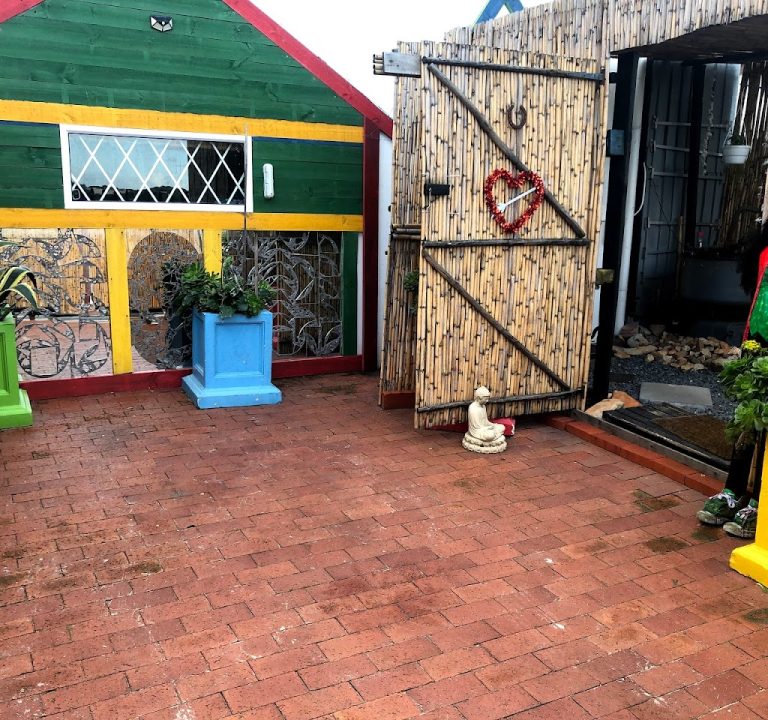
Placed in a serene setting yet close enough to the action, a cottage such as Recreation Cottage offers a practical base for exploring Cape Town and its environs. It can provide a homely feel after busy days of sightseeing, while its kitchen and living spaces support relaxed evenings and social meals. For families or small groups, a cottage setup can be a comfortable alternative to larger hotels, combining convenience with a touch of local charm.
dining and day trips
When choosing places to eat, look for neighbourhood favourites that capture the local spirit—bustling markets, casual bistros, and eateries with seasonal menus are good indicators of value and authenticity. For day trips, plan routes that allow time to pause at viewpoints, coastal towns, and historic sites, while leaving flexibility for spontaneous discoveries along the way. Cape Town rewards visitors who balance planned itineraries with chances to wander and explore at a relaxed pace.