Cape Town: Where to stay, what to do, and practical tips for a memorable visit
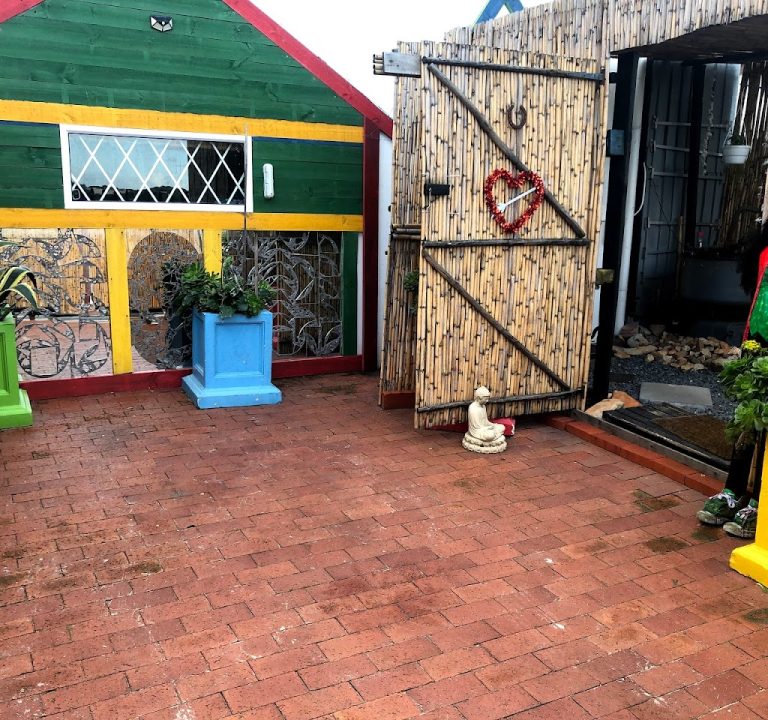
With its dramatic coastline, Table Mountain backdrop, and a year-round appetite for colour and culture, Cape Town offers a diverse range of accommodation to suit every traveller. Whether you favour stylish boutique stays, family-friendly guesthouses, or self-contained lodges, the city’s indoor lodging options provide everything from cosy corners for romantic escapes to spacious suites for groups. A good example of indoor lodging is the Blue Canyon Guest House, which showcases the kind of comfortable, well-equipped retreats that let visitors settle in quickly and feel at home.
Planning a stay in Cape Town means weighing several practical considerations. The city is spread across several distinct areas, each with its own character, accessibility, and nearby attractions. The Atlantic Seaboard combines ocean views with modern amenities, while the city bowl offers a central hub of dining and nightlife. The southern suburbs provide leafy tranquillity and easier access to green spaces, and the Constantia Valley is ideal for wine lovers and laid-back stays. When choosing accommodation, consider proximity to the places you want to explore, access to reliable transport, and whether you prefer a peaceful neighbourhood or a more vibrant, walkable setting.
Typical amenities in well-rated Cape Town lodging often include Wi‑Fi, private en-suite bathrooms, and climate control, along with thoughtful touches such as stylish communal areas, well-equipped kitchens, or outdoor spaces for al fresco meals. Many guesthouses and boutique hotels provide breakfast options, and several offer on-site parking, which can be a practical bonus given the city’s popularity and traffic patterns. If you are travelling with family or a group, look for apartment-style rooms or suites with separate living areas and multiple bedrooms. For business travellers, reliable Wi‑Fi, a desk space, and easy access to transport links are especially important.
Transport in Cape Town is a key part of planning. The MyCiTi bus network offers convenient city-wide routes, while rental cars provide the flexibility to explore beyond the immediate urban core. For those prioritising sustainability, walking or cycling can be enjoyable in compact, well-connected areas, particularly near the city centre and along the coast, where scenery rewards steady legs and a bit of effort. If you plan day trips to the mountains, winelands, or coastal towns, check whether your accommodation offers information or transfer options, or whether staff can assist with guided tours and morning departures.
Best time to visit Cape Town depends on your interests. Spring (September to November) brings mild weather and blossoms, while autumn (March to May) offers comfortable temperatures and fewer crowds. Summer (December to February) is peak season, with lively beaches and more events, so book well in advance. Winter (June to August) is cooler and often rainier, but can be appealing for those drawn to dramatic skies and fewer visitors. If your plans include outdoor activities—hiking, sea kayaking, or visiting the Cape’s surrounding nature reserves—check local forecasts and gear requirements, and pack a versatile wardrobe to accommodate rapid weather changes.
When researching places to stay, consider clear, up-to-date information on access to local amenities. Proximity to supermarkets, coffee shops, and casual dining can make a big difference for longer visits. Many properties in Cape Town offer kitchens or kitchenette facilities, allowing guests to prepare light meals or snacks, which is convenient for travellers on a budget or with dietary preferences. Safe storage for luggage, reliable security, and a friendly front desk or host are also valuable features that can enhance your stay beyond the basics.
Activities and experiences around Cape Town span nature, culture, and cuisine. Visitors can expect accessible beaches, scenic viewpoints, and walks that reveal Cape’s natural beauty, alongside museums and historic sites that tell the region’s complex stories. Depending on your interests, you might plan days that blend outdoor spectaculars, city exploration, and farm-to-table dining experiences. Restaurants in general terms range from casual cafés to refined eateries that emphasise fresh local produce, often with views or distinctive interiors. It’s wise to book ahead for popular spots, particularly in peak season, while leaving room for spontaneous discoveries along the way.
Practical tips for a smooth stay:
- Book accommodation with flexible cancellation policies where possible, and confirm what’s included in your rate (breakfast, housekeeping, parking).
- Check accessibility details if you have mobility needs or heavy luggage, and ask about stairs, lifts, and elevator access.
- Consider a light itinerary that balances planned visits with downtime to enjoy your surroundings and your lodging’s facilities.
- Pack a layerable wardrobe for rapidly changing weather, particularly near the coast and in the mountains.
- Respect local safety guidelines and be mindful of personal belongings, especially in busy areas and popular tourist sites.
For more information on Cape Town and its accommodation options, you can visit official tourism resources and travel guides that provide practical planning tools, area guides, and up-to-date tips on what to see and do. Embrace the pace of this vibrant city, prepare a flexible plan, and allow yourself time to savour both the sweeping landscapes and intimate, comfortable places to rest after a day of exploration.