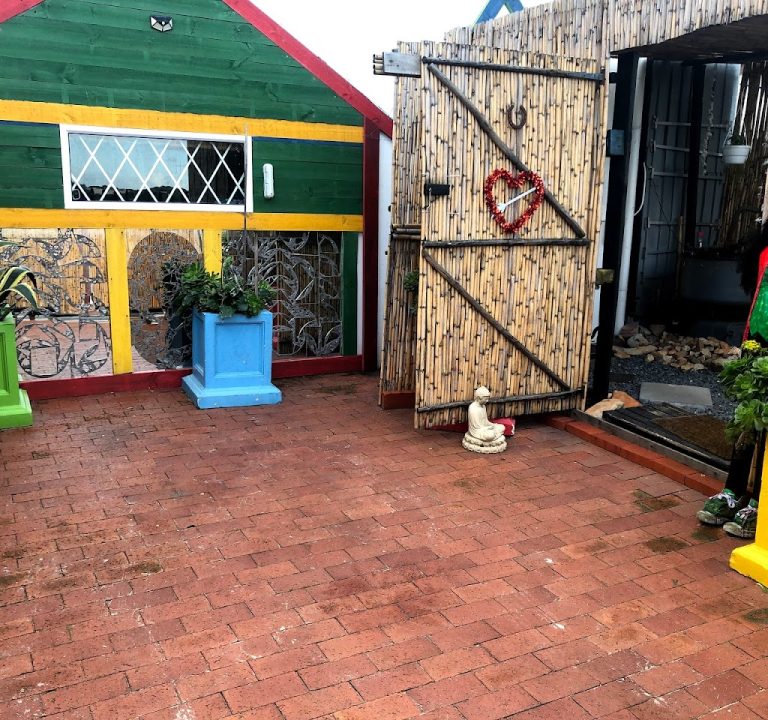
House Zandvlei is a Guest house establishment in Cape Town, Western Cape, South Africa
Cape Town
Western Cape
7945
South Africa


Discovering Cape Town: Accommodation and Experiences for a Memorable Stay
Cape Town, with its dramatic coastline, surrounding mountains and vibrant neighbourhoods, offers a wide range of accommodation to match every traveller’s style and budget. Whether you prefer a cosy guest house tucked in a leafy suburb, a stylish boutique hotel along the Atlantic Seaboard, or a modern apartment in a lively city centre, planning a stay in Cape Town calls for balancing location, amenities and pace. A well chosen base can simplify access to attractions, dining and transport, while a well designed itinerary helps you make the most of your time.
When choosing where to base your stay, consider the mix of experiences you want. The City Bowl puts you near museums, markets and historic streets, with easy access to the cable car for Table Mountain. The Atlantic Seaboard—think Camps Bay, Clifton and Sea Point—offers beachfront strolls, sunset views and a more resort-like atmosphere. Constantia and the Constantia Valley provide easy access to vineyards and tranquil scenery, ideal for day trips and relaxed stays. For a more intimate, residential feel, neighbourhoods such as the southern suburbs or the newer harbour districts can offer guest houses and boutique stays with personalised service. If you are visiting with family or planning longer stays, a self-catering apartment or a guest house with kitchen facilities can be particularly convenient.
What to look for when booking? Read recent guest reviews and check cancellation policies, as these can vary between properties. Look for practical details such as parking availability, proximity to a MyCiTi bus route or Uber-friendly areas, and whether rooms are en-suite or shared. Many guest houses and boutique hotels in Cape Town offer thoughtful touches such as on-site breakfasts, secure parking, hot water with reliable pressure, and airport or rail transfers through arrangements with the property or trusted partners. If you value a dedicated desk or good Wi-Fi for work or planning, confirm these amenities before booking. For families, confirm that child-friendly policies and room configurations are suitable. Consider the energy and environmental stance of the property, as some places actively minimise waste or use solar power—an increasingly common priority in Cape Town’s busy travel scene.
Typical amenities you might encounter include free Wi‑Fi, private or en-suite bathrooms, well-equipped kitchens or tea and coffee facilities, daily housekeeping, and a comfortable lounge or outdoor spaces. Boutique guest houses often feature personalised service, with hosts who can offer tailored recommendations for day trips to iconic locations or hidden gems. If a pool or outdoor terrace is important, verify availability during your intended travel season. For wine lovers, staying near Constantia or the Stellenbosch and Franschhoek corridors makes combining accommodation with vineyard visits convenient.
Transport in Cape Town is part of the adventure. The MyCiTi bus network offers affordable urban travel with routes linking the city centre, the V&A Waterfront, Sea Point, and up the Atlantic Seaboard. Uber and rideshare options are widely used, while car hire gives you the freedom to explore the Cape Peninsula, Cape Point, and the Cape Winelands at your own pace. If you plan to visit both the city and the peninsula in a short stay, consider a well-located base that reduces daily driving time. For those staying near the harbour, coastal walks and beaches are reachable on foot, while the Kirstenbosch National Botanical Garden is a short drive away for a change of scenery in the foothills of Table Mountain.
The best time to visit Cape Town depends on what you want from your trip. The spring and autumn shoulder seasons (September to November, March to May) usually offer pleasant weather, thinner crowds and good light for photography. Summer (December to February) brings long days, beach life, and a buzzy atmosphere, but can be busy and windy near the coast. Winter (June to August) is cooler and rainier, yet the city’s café culture and indoor attractions remain appealing. If you are seeking outdoor activities such as hiking or coastal hikes, spring and autumn provide comfortable conditions with blooming landscapes and milder seas. Pack layers, sunscreen, a hat, and a light waterproof layer for those changeable coastal conditions.
Practical tips to help plan your stay: book early for popular periods, especially if you want a particular neighbourhood or a property with a standout view. Use a reputable booking platform that clearly lists cancellation terms and guest reviews. Check whether the property has on-site parking if you will hire a car. For wellness and self‑care, many guest houses offer a quiet retreat atmosphere, while some boutique hotels provide spa facilities or in-room treatments—great for a relaxing break after a busy day of sightseeing. Be mindful of water usage and environmental practices, particularly in the area’s drier months, and consider combining visits to water-based attractions with nearby inland experiences to balance your itinerary.
As you plan an itinerary around Cape Town, you can easily fit in a mix of natural beauty, cultural experiences and culinary highlights. Iconic viewpoints on land and sea, sunrise hikes up Table Mountain or Lion’s Head, and visits to nearby beaches or nature reserves can be balanced with a circuit of markets, street food stalls, and globally inspired dining. When selecting attractions and dining options, seek general recommendations and local experiences that emphasise sustainable tourism, community initiatives, and authentic hospitality. For more ideas and practical planning tips, explore official regional tourism information and destination guides online.
Whether your stay centres on a chic guest house by the bluff, a stylish apartment in the heart of the city, or a peaceful lodge in a leafy suburb near the vineyards, Cape Town’s combination of scenery, flavour and warmth offers a memorable stage for your travels. For further inspiration and practical planning resources, you can visit regional tourism sites and property pages to find a stay that suits your pace and preferences. And if you are looking for a guest house with a calm base near water and nature, there are options that blend comfort with easy access to the city’s famed attractions and dining scenes.
- City Bowl and the Central Business District for museums, markets and historic streets
- Atlantic Seaboard for beaches, sunsets and coastal walks
- Constantia Valley for vineyards and scenic drives
- Kirstenbosch and Table Mountain for outdoor adventures
- Harbourside and V&A Waterfront for waterfront dining and entertainment
Sorry, no records were found. Please adjust your search criteria and try again.
Sorry, unable to load the Maps API.
Why Claim Your Listing?
Claiming your listing on the B&B Finder directory website is a valuable opportunity for business owners. Here are five reasons why you should consider claiming your listings:
Control Over Business Information: By claiming their listing, business owners can ensure that all the information presented is accurate and up-to-date. This includes details such as contact information, address, pricing, and available services or amenities. Accurate information helps prevent customer confusion and improves overall satisfaction.
Enhance the Listing: Once a listing is claimed, owners can enhance it by adding more comprehensive information and rich media, like high-quality photos and videos. These additions can make the listing more attractive and engaging to potential customers, thereby increasing the likelihood of bookings.
Marketing Opportunities: Claiming a listing can also open up additional marketing opportunities. Owners may be able to participate in promotional campaigns, special offers, and other marketing activities organized by the directory. This can increase visibility and attract more customers to the business.