Accommodation and Experiences in Cape Town, Western Cape
Cape Town is a city of dramatic contrasts, where mountains meet the sea and heritage sits alongside modern design. For travellers seeking comfort with easy access to iconic scenery, a well-chosen stay can be the foundation of a memorable trip. Whether you prefer a boutique guesthouse in a leafy neighbourhood, a stylish lodge near the Atlantic shore, or a cosy apartment in the heart of the city, Cape Town offers a broad spectrum of lodgings to suit different styles and budgets.
When planning your stay, start by considering the neighbourhoods that best align with your plans. The Atlantic Seaboard offers ocean views and easy beach access, with a range of guesthouses and self‑catering apartments. The City Bowl puts you within strolling distance of cafés, markets, museums and nightlife, while Camps Bay and Clifton provide luxurious options with a seaside vibe. For a family-friendly base with access to nature and hiking trails, Constantia and Hout Bay provide green, spacious settings. Remember that mountains and coast can influence transport times, so factor in travel between your lodging and the places you want to visit.
What to look for when booking varies by traveller, but there are common features that tend to improve comfort and convenience. Look for reliable Wi‑Fi, soundproofed rooms for a restful night after long days of sightseeing, and climate control suitable to Cape Town’s seasonal changes. A generous breakfast improves early-meg planning, while on‑site parking can be a real plus in areas where street parking is limited. If you plan to venture along the coast or into the winelands, check whether your host can arrange transfers or suggest trusted transport options. A small, well‑equipped kitchenette or tea and coffee facilities can be handy for short stays. A friendly, responsive host or front desk team is often one of the best features of a memorable stay.
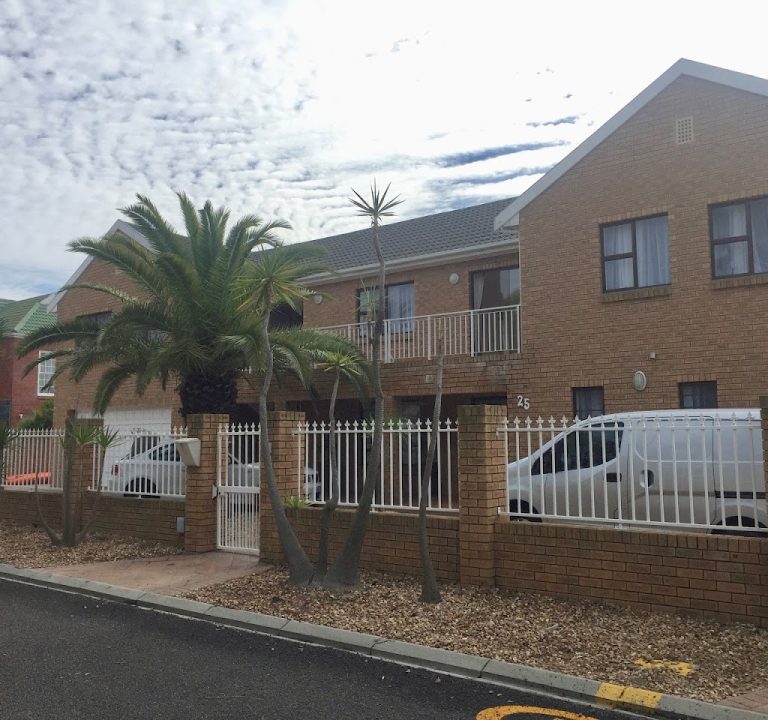
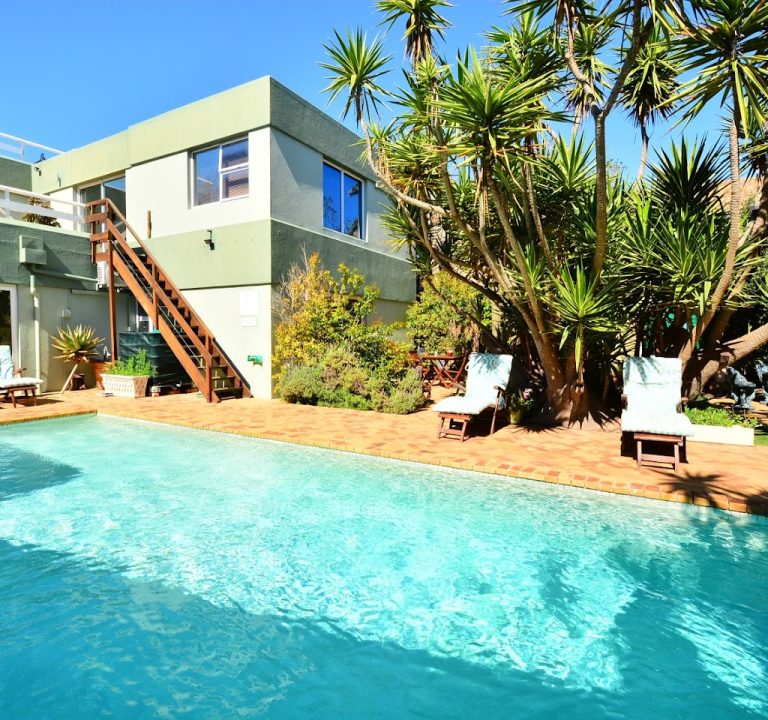
Typical amenities you might encounter include private or en suite bathrooms, daily housekeeping, air conditioning or heaters, and access to shared spaces such as lounges, gardens or terraces. Some properties offer outdoor pools, sun decks, or braai (barbecue) facilities for relaxed evenings. In higher-end lodges or boutique guesthouses, you may find personalised experiences, guided day trips, or recommendations for cultural and culinary activities. If you value privacy, look for intimate accommodations with fewer rooms and a more customised service approach. If you prefer social interaction, opt for a guesthouse or boutique hotel with a communal area where other travellers gather.
Transport in and around Cape Town is straightforward but requires planning. If you don’t have a car, choose a location within easy reach of MyCiTi bus routes, ride‑hailing options, or a guesthouse that can arrange transfers. The city is walkable in certain areas, especially within the City Centre, the V&A Waterfront precinct, and the Table Mountain area, but some attractions require transit or a short drive. For day trips to the Cape Peninsula, the Winelands, or nearby nature reserves, you might want to book a guided tour or hire a vehicle with a driver. Remember that Cape Town’s traffic can be busiest during commuter hours, so plan your day to avoid peak congestion and, in peak season, leave extra time for routes along the coast and hillsides.
Best time to visit Cape Town depends on what you seek. Spring and autumn offer pleasant temperatures and fewer crowds for outdoor activities. Summer brings long days, vibrant beachfronts, and a lively pace, but some areas can be busy and hotel rates may rise. Winter is cooler and wetter, with dramatic skies and fewer tourists, which can be ideal for indoor experiences, museums, and dining. If you’re exploring the Cape Peninsula or the Cape Winelands, dress in layers and be prepared for rapid changes in weather, especially on higher ground or at sea level.
Practical tips to help you plan:
- Book well in advance for popular periods, particularly around holidays and school breaks.
- Request clear directions to your property’s entrance and check check‑in procedures in advance.
- Ask about airport transfers or approximate costs for taxis and rideshares to estimate daily expenses.
- Verify access to good dining options nearby, as Cape Town’s culinary scene is a major draw but can be spread out by neighbourhood.
- Look for properties that communicate clearly about safety, access, and any on‑site amenities that are important to you.
In addition to accommodation, Cape Town offers a wealth of experiences that complement a stay. You can explore coastal panoramas from Table Mountain’s cable car or scenic viewpoints, stroll markets and waterfront promenades, and sample regional cuisine that blends coastal freshness with global influences. For those seeking culture, galleries, historic sites, and a vibrant café culture sit alongside nature reserves and vineyard experiences just beyond the city limits. When planning, align your chosen lodging with the experiences you want to prioritise, and consult trusted local guides or tourism resources for current, practical guidance. For more inspiration and practical planning, you can visit official Cape Town tourism resources and related travel planners to tailor your itinerary around your lodging choice in West Beach and beyond.