Accommodation and attractions in Cape Town: planning your stay along the Atlantic coast and beyond
Cape Town offers a constellation of places to stay, from boutique guesthouses tucked into terraced streets to modern hotels with ocean views. When planning a visit, it helps to think about which part of the city you want to call home for your stay. The CBD and V&A Waterfront place you at the heart of activity, while the Atlantic Seaboard and Camps Bay offer coastal scenery and easy beach access. For wine lovers and nature enthusiasts, Constantia and the winelands belt promise tranquil retreats with a flavour of the countryside just a short drive from the city centre.
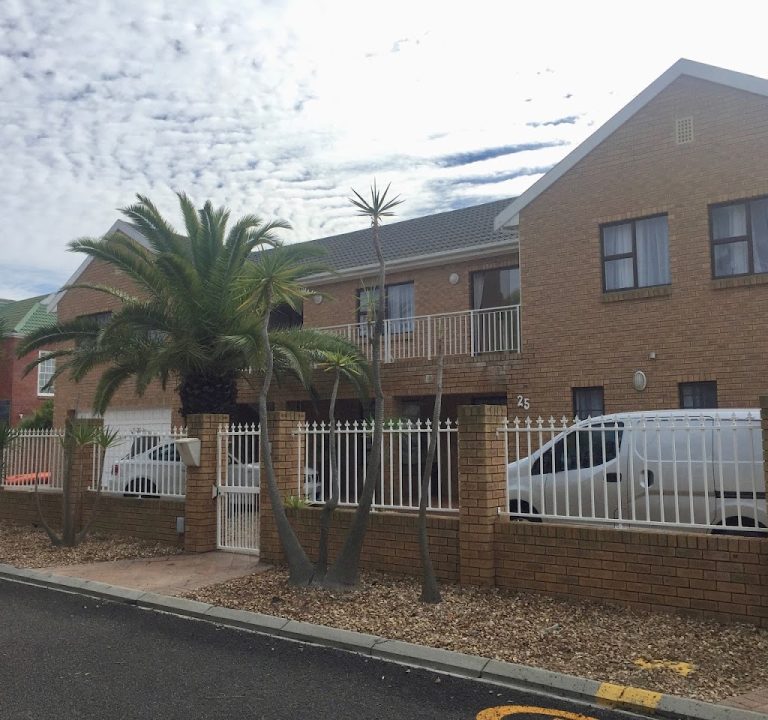
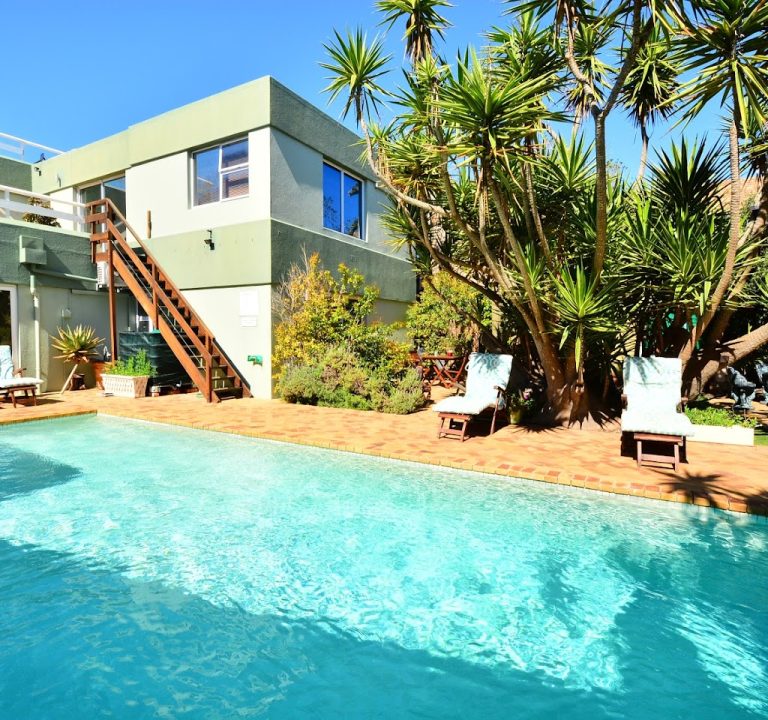
Accommodation options vary, but you can expect a mix of hotels, guesthouses, serviced apartments, and self‑catering stay options. In Cape Town, you might come across boutique inns with personalised service, small guesthouses that blend into residential neighbourhoods, and larger hotel complexes that suit families or travellers seeking hotel facilities. A suggested approach is to identify a few anchor experiences—be it a table at a restaurant with sea views, a day of hiking Table Mountain, or a trip to the Cape Peninsula—and then choose a base that minimises daily travel while offering comfort and amenities that suit your style. For example, a stay in a well‑located guest suite such as the Se La Vie Guest Suite can provide a comfortable, homely base while exploring the wider region. Always check what’s included—free Wi‑Fi, on‑site parking, self‑catering facilities, and access to a pool or garden can make a big difference for longer breaks.
How to choose where to stay depends on your priorities. If your priority is easy access to beaches and sunset views, the Atlantic Seaboard from Sea Point to Camps Bay is ideal. If you want a buzz of cafés, markets and museums within walking distance, the city centre or Green Point can be more convenient. For quieter, leafy streets and quick access to wine routes, Constantia and the southern suburbs are excellent. Consider the travel time to the places you intend to visit most; Cape Town is spread out, and traffic can be a factor, particularly at peak hours in the city bowl and along the Atlantic coast. When you book, look for practical amenities such as secure parking, reliable heating or air conditioning (Cape Town can be cool in the evenings or warmer depending on the season), good insulation, and earnest attention to cleanliness and maintenance.
Typical amenities in Cape Town accommodation include secure access, daily housekeeping or self‑catering facilities, en‑suite bathrooms, and well‑equipped kitchens or kitchenettes. Pools, terraces, and garden spaces are common in guesthouses and boutique hotels, providing a relaxing buffer after a day’s sightseeing. In family‑friendly stays, enquire about extra beds or cots and whether the property can accommodate strollers or teenagers. If you rely on public transport or ride‑hailing, check proximity to MyCiTi routes or easy taxi access, and whether the property offers shuttle services or guidance for day trips to the peninsula or the winelands.
Practical planning tips:
- Best time to visit: Spring and autumn (September to November and March to May) offer milder weather and fewer crowds, though Cape Town can be busy in peak holiday seasons. Summer is lively with outdoor events, while winter is cooler and wetter, yet markets and cultural activities continue.
- Transport: Use a mix of rideshares, rental cars for day trips, and scheduled public transport for city stays. Many guesthouses and boutique hotels provide helpful local tips or even pre‑book activities.
- Safety and comfort: Stay in well‑lit, reputable areas, keep valuables secure, and use common‑sense precautions—Cape Town is a wonderful city with safe, walkable neighbourhoods alongside busy tourism zones.
- Planning days: Build in a day of Table Mountain experiences (weather permitting), a visit to the historic city centre, a trip to the Cape Peninsula, and a day to explore markets and galleries. Balance outdoor activities with more relaxed afternoons at cafés or on coastal promenades.
- Dining and experiences: Cape Town’s food scene ranges from refined fine dining to casual market fare. Look for venues that source local ingredients and offer dishes that reflect the region’s coastal and mountain influences. If you prefer a personalised plan, seek experiences that combine scenery with culture—local markets, art tours, or guided coastal walks.
When it comes to attractions, you don’t need to chase a single “must‑do.” Instead, aim for a mix that suits your pace. Iconic landscapes such as Table Mountain and the surrounding parklands, the scenic coastline from the Atlantic to the Cape Point route, and accessible museums and galleries characterise an authentic Cape Town experience. While guided tours can be convenient, many visitors enjoy the flexibility of self‑guided explorations, especially when paired with comfortable accommodation as a home base. Equally, the city’s culinary scene—from casual eateries to elegant venues—offers a broad spectrum of tastes without requiring extensive travel away from your accommodation base.
In short, Cape Town rewards flexible planning, a mix of stays across different neighbourhoods, and a pace that blends outdoor adventures with cultural discoveries. Whether you remain in a compact guest suite in a leafy street or check into a stylish hotel near the water, a well‑chosen base can elevate your stay and help you discover both the city and its surrounds with ease.