Cape Town Accommodation: Where to Stay and How to Plan Your Visit
Cape Town blends dramatic scenery with a warm, cosmopolitan pulse. Whether you prefer a cliff-top boutique, a spacious guest house by the coast, or a stylish apartment in a bustling neighbourhood, the city offers options to suit most budgets and travel styles. A stay in Blouberg, the Atlantic Seaboard, or the city bowl can all be satisfying, provided you plan around transport, local tips and the rhythm of the seasons.
When choosing a base, consider what you want to access most. The Atlantic Seaboard and Blouberg offer quick access to beautiful shorelines, water sports and views of Table Mountain. The City Centre puts you within easy reach of museums, galleries, markets and a lively restaurant scene, often with a short ride to the harbour and Cape Point. Families might prefer a guest house with family-friendly rooms and a predictable breakfast, while couples may enjoy intimate boutique stays with personalised service. If you plan day trips to the Cape Winelands or coastal towns, look for guesthouses that can help arrange guided excursions or provide reliable guidance on transport options.
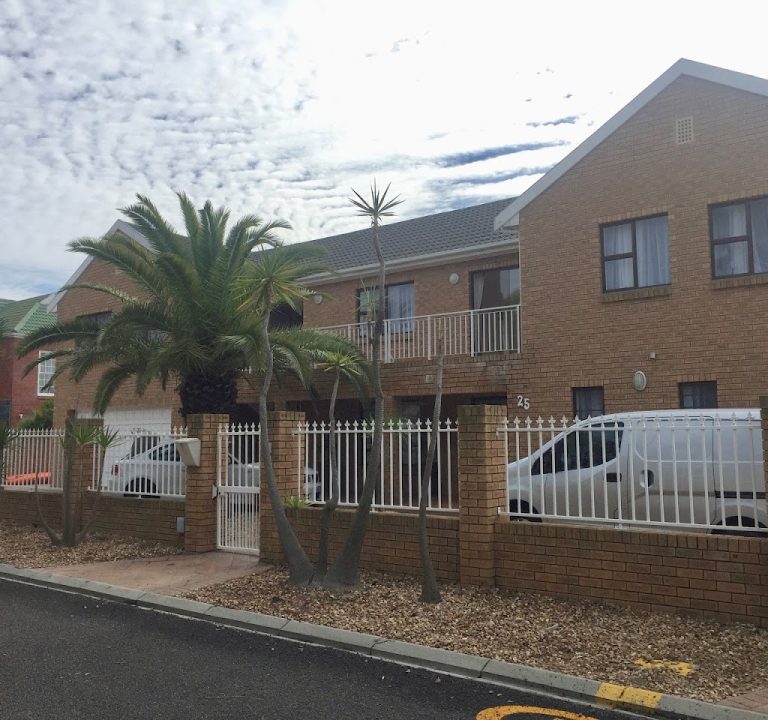
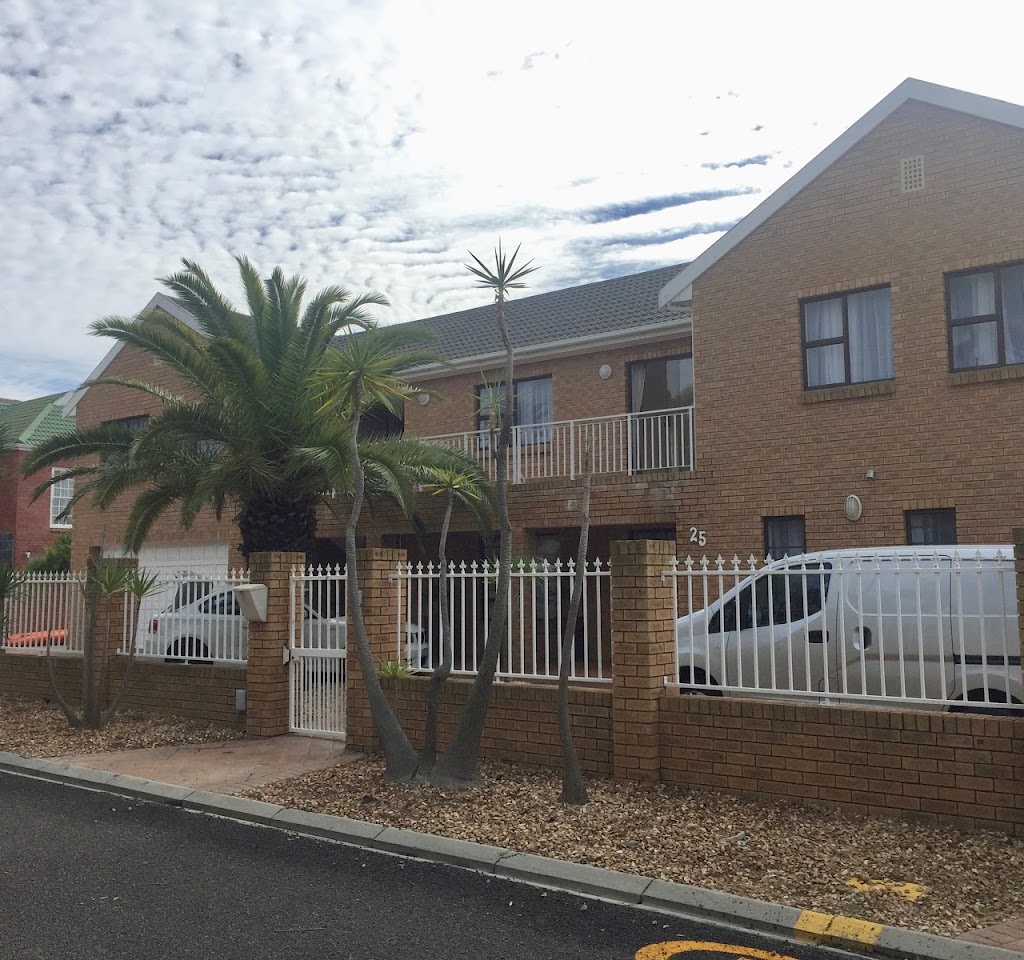
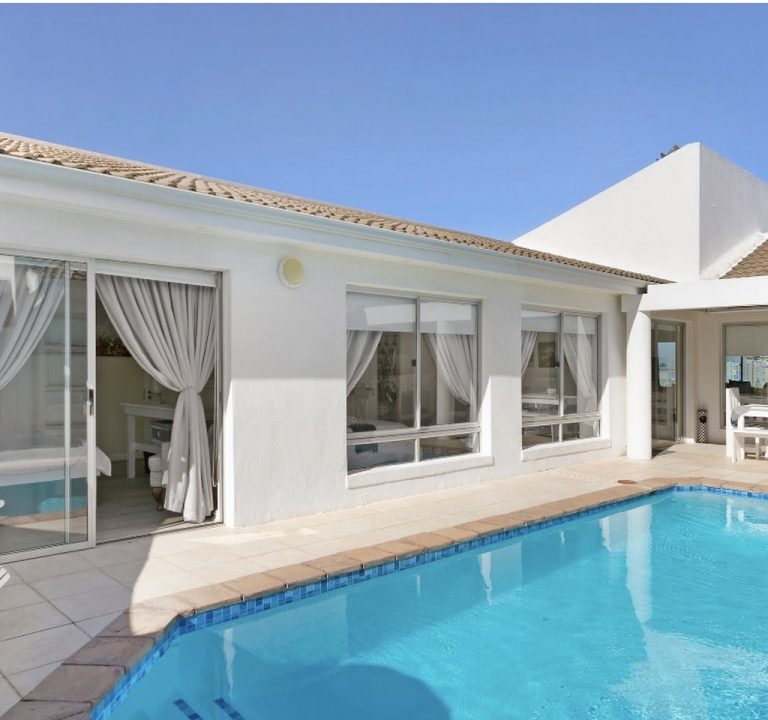
Blouberg Guest Suites, as a guest house option, typically focuses on comfortable, self-contained units with a homely ambience. Such properties often feature private entrances, en suite bathrooms, shared or self-catering facilities, and access to outdoor spaces with sea views. If you are travelling as a small group or family, a stay in a suite or a cottage-style unit can offer good value and practical layouts, with the flexibility to prepare meals or host casual gatherings.
Booking tip: read recent guest reviews for tips on accessibility, parking, quiet hours and the responsiveness of the management. Check whether the property offers on-site parking or suggested nearby spaces, as well as whether the room rate includes breakfast or access to common kitchens. Clarify cancellation policies and the potential impact of seasonal rate changes, especially during school holidays and peak travel periods.
Typical amenities you might encounter include:
- En suite bedrooms with private or semi-private bathrooms
- Wi‑Fi access, and sometimes digital TV or streaming services
- Cook-at-home or continental breakfast options and self-catering facilities
- Outdoor spaces such as courtyards, balconies or terraces with views
- Secure parking, 24-hour access, or controlled entry
- Limited housekeeping, with some properties offering weekly or mid-stay cleaning
- Local information packs, maps and concierge-style help for tours and restaurants
What to look for when booking:
- Proximity to your planned activities: beaches, mountain trails, or central attractions
- Transport access: proximity to MyCiti bus routes, taxi services, or car rental options
- Sound and light conditions: some areas can be lively at night, others are quieter and more residential
- Kitchen facilities or breakfast options, and whether snacks or meals are available on-site
- Flexibility and clarity of the cancellation policy, especially for longer stays
Getting around Cape Town efficiently often hinges on a balance between convenience and experience. The MyCiTi bus network covers many parts of the city and nearby towns, offering a straightforward option for visitors who prefer not to drive. If you plan day trips to the Cape Peninsula, Constantia, or the Winelands, consider booking a guided day tour or arranging private transport. For longer stays, renting a car provides the most flexibility, though some routes involve mountain passes and busy coastal roads, so plan ahead for peak traffic times.
The best time to visit Cape Town is subject to what you want from your trip. Summer (December to February) brings warm days ideal for beaches and outdoor dining, but it is also peak season with higher accommodation rates. Shoulder seasons (spring and autumn) offer milder weather and fewer crowds, while winter (June to August) can be cooler and wetter, yet you may find excellent value and quiet streets. Spring in particular reveals flower-filled landscapes around the Cape, while autumn colours compliment coastal walks and wine-region visits.
Practical tips to make the most of your stay:
- Plan a balanced itinerary: mix outdoor adventures with slower days to rest and enjoy meals at local restaurants.
- Pack for changing conditions: coastal winds can be brisk, and higher elevations near the mountains can be cooler than you expect.
- Budget for a taxi or rideshare to evenings out; although safe areas are widespread, some routes are best navigated by private transport after dark.
- Reserve popular experiences early, especially in peak season, and check whether attractions require pre-booked slots.
- Respect local safety guidelines and always secure valuables when you go out for the day.
Beyond accommodation, Cape Town offers a wealth of experiences that complement a stay in Blouberg or the city centre. Visitors typically enjoy scenic coastal walks, museums with indigenous and colonial histories, markets offering crafts and craftspeople, and dining that showcases South African flavours with a modern twist. For planning inspiration and up-to-date visitor information, you can explore official tourism resources and reputable travel guides at websites such as Cape Town’s official tourism portal or regional travel pages.
Whether your stay centres on the sea, the mountains, or city life, Cape Town can tailor a stay around what you enjoy most. By choosing a thoughtfully located guest house or boutique stay and planning with practical transport and timing in mind, you can experience the beauty and hospitality of the Western Cape in a relaxed, approachable way.