Accommodation and Experiences in Cape Town: Where to Stay and What to Do
Cape Town offers a diverse range of places to lay your head, from intimate guest houses to stylish hotels and family‑run B&Bs. When planning a stay, consider the neighbourhoods that suit your pace, access needs, and planned activities. The city’s geography—ocean, mountain and urban landscapes—means you can wake up to a harbour sunrise in one area and a mountain panorama in another. A well‑planned itinerary often combines several bases, reducing daily travel time and allowing you to sample different vibes on the same trip.
Areas to consider include the City Bowl, which puts you in the heart of central Cape Town with easy access to museums, markets and a wealth of dining options. The V&A Waterfront area is ideal for first‑time visitors seeking waterfront views, convenient transport, and a gateway to tours. Camps Bay and Clifton offer dramatic sea views and beach access, perfect for those prioritising scenery and a more relaxed atmosphere. Constantia is quiet and green, with historic wine estates nearby, while Green Point and De Waterkant provide a lively mix of eateries, boutiques and nightlife. For a family‑friendly base with a touch of tradition, consider a guest house or boutique hotel in suburban streets close to mobility routes.
When choosing a property, look for practical details that improve the stay. Confirm room configurations and whether there is a private bathroom, secure parking, and reliable Wi‑Fi for work or streaming. Check breakfast options (self‑catering versus full dining) and whether there is a communal kitchen or lounge space. For families or groups, inquire about interconnecting rooms or larger suites. If you’re travelling with luggage for day trips, ask about luggage storage and late‑check‑out possibilities. A few guest houses in Cape Town emphasise personalised service, offering curated local tips, maps, and early morning advisory for weather‑dependent excursions.
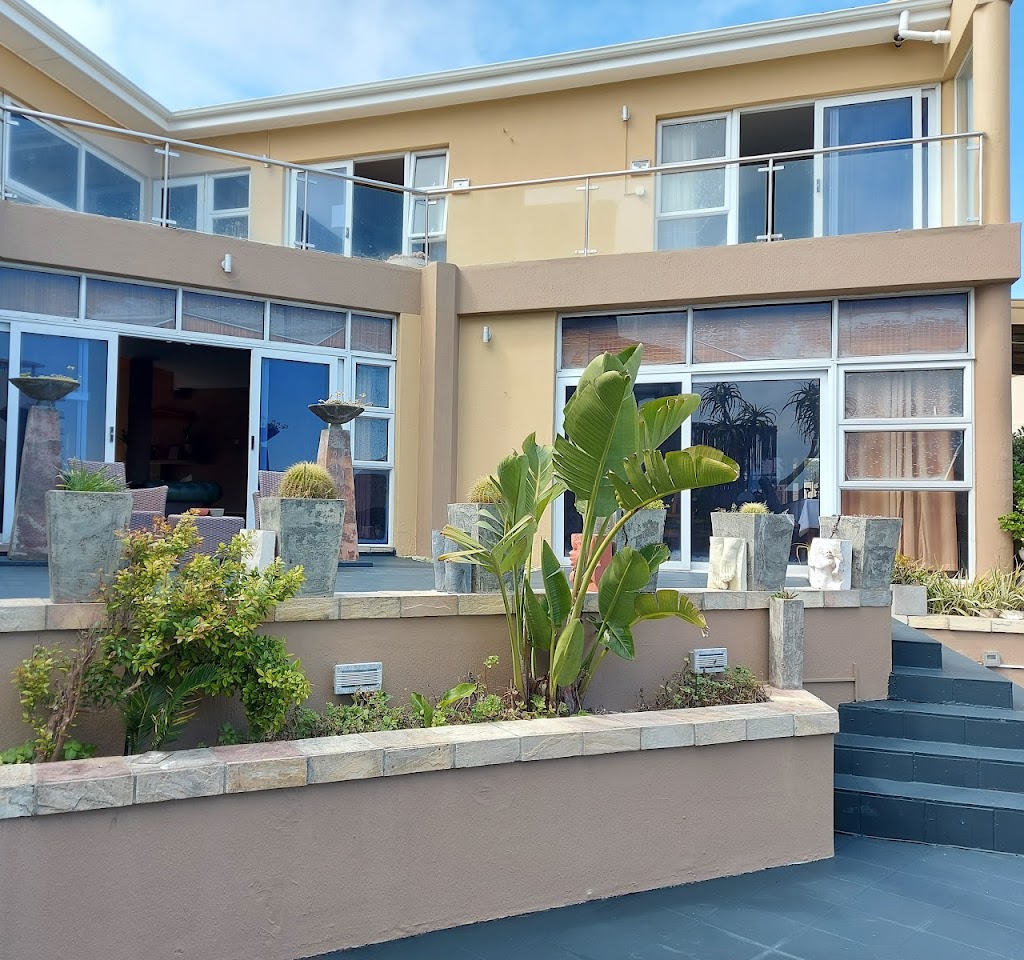
One example of a guest house in the city is Kumbaya House, a property described as a guest house with comfortable rooms and a central location. Such understated, characterful stays often emphasise warm hospitality, easy access to major routes, and thoughtful extras like coffee stations, outdoor spaces, and secure access. When researching options, read guest reviews for insights into service consistency, cleanliness, and neighbourhood safety. Booking platforms usually show current policies on cancellation, (late) check‑in, and house rules, which can be important for travellers with flexible itineraries or special needs.
Typical amenities across Cape Town accommodation include private or en suite bathrooms, housekeeping, and hot water, of course, but many properties go beyond the basics. Expect small touches like quality bedding, blackout curtains for restful nights, a well‑equipped kitchenette or tea‑coffee facilities, and sometimes a resident or on‑site manager who can offer advice on local routes, markets, and day trips. Outdoor seating, rooftop terraces, or garden spaces are common in guest houses and boutique hotels, providing opportunities to enjoy the mild climate and mountain views. Some properties also arrange guided walks, airport transfers, or private tours with vetted operators.
Transport in Cape Town is straightforward but planning helps. The MyCiTi bus network serves much of the urban area, with routes that connect official attractions and major hubs. Uber and other ride‑hailing services are widespread and convenient for evening dining or seaside outings. If you’re exploring beyond the city centre, renting a car gives you flexibility to visit Constantia valley, the Cape Winelands to the east, or coastal scenic drives along the Atlantic Seaboard. When booking, consider proximity to your planned routes; a base near main roads can reduce commute times considerably, especially if you plan day trips or early starts for wildlife experiences or sunrise viewpoints.
The best time to visit Cape Town depends on what you want from your trip. The city enjoys a Mediterranean climate with wet winters and dry summers. Peak tourist season is during the Southern Hemisphere summer (roughly November to February), when days are long, beaches are popular, and outdoor activities are in full swing. Spring (September to November) and autumn (March to May) offer cooler temperatures and quieter streets, often with excellent light for photography and fewer crowds at iconic sites. Winter (June to August) is mild by international standards, with a chance of rain, but it can still be enjoyable, particularly if you prefer fewer crowds and lower accommodation rates.
What to do, beyond accommodation, ranges from scenic hikes to cultural experiences and food explorations. Iconic coastal drives, a summit visit by cable car or a guided mountain walk, and township or harbour tours provide broad perspectives on the region’s history, biodiversity, and daily life. Food lovers can explore markets, casual eateries, and modern restaurants that showcase Cape Malay flavours, seafood, and international influences. In parallel, many guest houses collaborate with local operators to offer thoughtfully curated day trips—such as wine tastings in nearby valleys, nature reserves with wildlife viewing, or artisan experiences in neighbourhoods known for crafts and street food. For practical planning, book experiences that align with your base’s location to maximise time spent enjoying the destination rather than checking in and out of multiple properties.
Practical tips to maximise a Cape Town stay:
- Book a base with easy access to your planned activities and reliable transport options.
- Ask about breakfast served on site, and whether there are flexible dining options for early departures or late returns.
- Pack layers for variable coastal weather—mornings can be cool, with warmer afternoons, especially near the water.
- Carry sunscreen, a hat, and comfortable walking shoes for hills and cobbled streets.
- Check safety and neighbourhood guidance with your host or property manager before venturing out after dark.
- Respect local customs and environmental guidelines when visiting beaches or nature reserves.
With careful planning, a stay in Cape Town can balance comfortable accommodation with immersive experiences, making the most of both the city’s vibrant urban life and its dramatic natural beauty. Whether you prefer a snug guest house in a leafy precinct or a stylish base with harbour views, the right choice will help you tailor a memorable, well‑paced itinerary that suits your interests and pace.