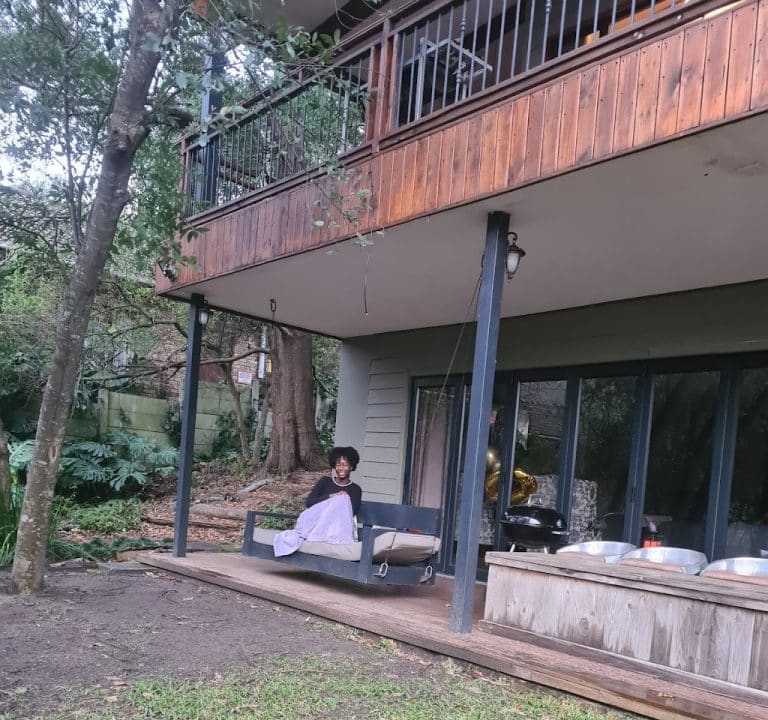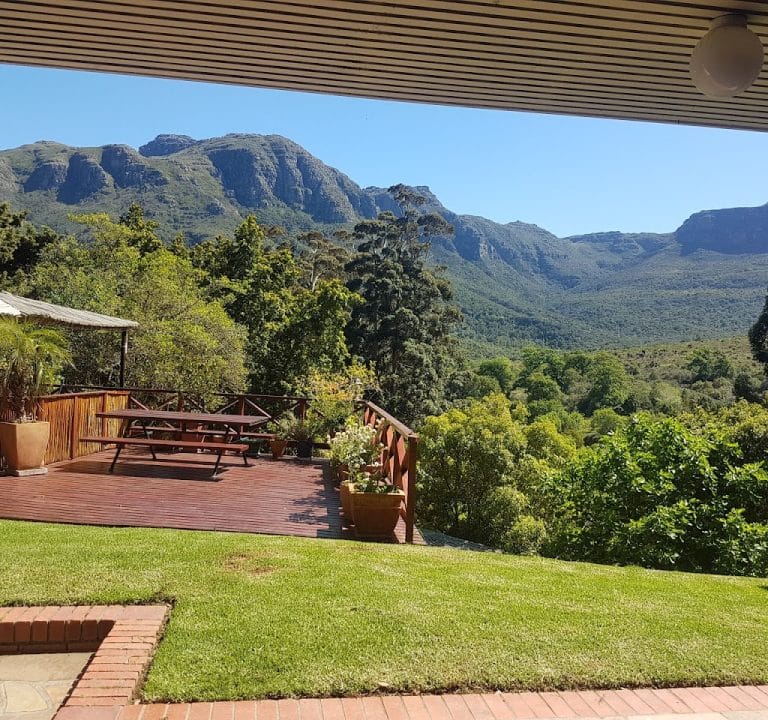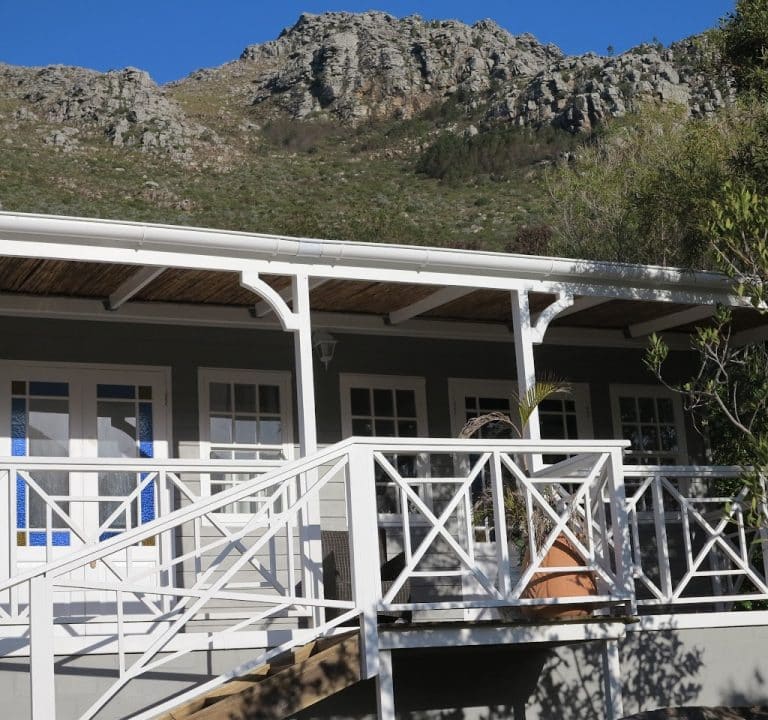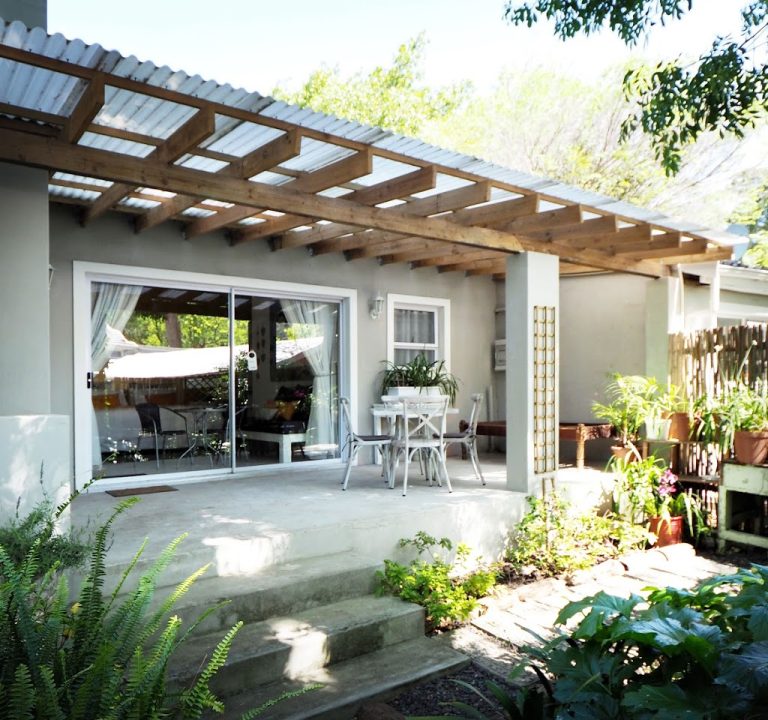
Waterland is a Hotels establishment in Cape Town, Western Cape, South Africa
Waterland, Cape Town – An Enchanting Riverside Escape in Hout Bay
Waterland Lodge presents a thoughtfully curated escape set along the banks of the rushing Hout Bay River, where lush river banks meet cool mountain forests and a central location within Hout Bay’s equestrian community. This inviting retreat is designed to blend seamlessly with its natural surroundings, offering visitors a tranquil base from which to explore the Western Cape’s coastal beauty and mountain scenery. The grounds are expansive, ensuring each self-catering cottage enjoys a degree of seclusion while remaining part of a shared, idyllic landscape that gracefully integrates with mature oak trees, busy birdsong, and the rhythmic flow of the river.
The accommodation at Waterland is described as four newly revamped, full-service cottages that fuse modern fittings with classic interiors. Each cottage is self-catering, with kitchen facilities and outdoor spaces that cater to both indoor dining and outdoor cooking enthusiasts. A notable feature within the concept is the support of an attentive on-site host—referred to as the “Braai Master” Grant—who is on hand to offer tips and guidance for guests who enjoy fire-cooked meals, whether preparing a simple supper or a more social braai. This suggests a hospitality style that emphasises practical comforts alongside opportunities to engage with Cape Town’s outdoor dining culture.
In terms of aesthetics and atmosphere, Waterland is described as an enclave where guests can rest and recharge in a setting that emphasises nature and light touches of art. The cottages’ interiors are positioned as a blend of comfort and artistic detail, designed to soothe travellers whether visiting for business, leisure, or family time. The surrounding environment—river, trees, and birdlife—contributes to a sense of retreat, while the central location in Hout Bay keeps the area accessible to local sights and experiences.
Waterland’s offering is particularly well-suited to travellers who prefer a self-catering arrangement with private outdoor spaces, the chance to enjoy garden herbs or vegetables mentioned in guest comments, and the flexibility to cook in the cottage or at outdoor cooking areas. The overall experience is described by hosts as a small oasis: quiet, peaceful, and conducive to comfortable stays for individuals, couples, and families alike.
Notable elements of the Waterland experience include:
- Self-catering cottages with modern fittings and traditional interiors
- Kitchen facilities and outdoor cooking options
- A personal touch from a host who can assist with braai-style cooking
- Secluded, garden-led settings that feel intimate yet connected to nature
- Proximity to Hout Bay’s waterfront, dining scenes, and access to mountain and coastal trails
For those planning a stay, Waterland positions itself as a versatile base for both leisure and business visitors. The nearby natural landscape—encircled by Table Mountain National Park—offers the potential for hiking and outdoor exploration, while the surrounding town provides access to restaurants and coastal activities. When considering a visit, guests can turn to the site for further context, including travel features and a dedicated blog that highlights hiking trails, local dining options, vineyards, and family-friendly culinary experiences in and around Hout Bay.
Waterland’s family-owned character is emphasised by the owners, Grant and Silvia Viljoen, who run the lodge with their two young sons. This personal touch is reflected in the welcoming atmosphere described by guests and in the emphasis on guests' needs being met within a natural, relaxed setting. The property’s identity as a peaceful riverside enclave near Hout Bay makes it an appealing option for travellers seeking a retreat that feels removed from the bustle of city life while still offering convenient access to Cape Town’s Western Cape attractions.
Nearby highlights and practical tips for visitors include exploring hiking routes in Hout Bay suitable for various fitness levels, sampling five-star dining experiences offered by local restaurants, and visiting regional vineyards. While Waterland does not publish exact details about individual attractions, the hosted content and surrounding blog posts indicate a rich, experience-forward neighbourhood with a blend of outdoor adventures and culinary delights—ideal for travellers who appreciate a balanced mix of nature and culture.
Booking and travel notes: Waterland presents itself as a straightforward choice for those seeking a self-catering, nature-forward stay in a central Hout Bay location. Interested guests can access accommodation information and booking options through the Waterland site, including the “Book now” link, which directs readers to a booking platform. For additional inspiration, the site offers contact options and a newsletter sign-up to stay updated on news and local insights. The overall impression is of a well-appointed, resident-run retreat that invites guests to unwind, cook, and enjoy the surrounding Cape Town landscape in a comfortable, naturally beautiful setting.
Cape Town
Western Cape
7806
South Africa


Cape Town: where accommodation meets a tapestry of experiences
Few places offer such a rich mix of landscapes, culture and cuisine as Cape Town. Whether you favour a modern city stay, a coastal retreat, or a secluded lodge nestled beneath the foothills of Table Mountain, the Western Cape capital caters for every traveller. Planning a stay here means balancing location, amenities and transport, so you can maximise time exploring iconic attractions and enjoying world-class food and neighbourhood character.
Where to stay matters as much as what to do. If you want easy access to the city’s main sights and vibrant dining scenes, consider central areas such as the inner city, the V&A Waterfront belt, or neighbouring up-and-coming neighbourhoods with a contemporary buzz. For beach lovers, Atlantic Seaboard towns like Camps Bay and Bantry Bay offer sweeping ocean views and stylish stays. For a more peaceful pulse, the southern suburbs or the foothills around Constantia and Hout Bay provide quietness with quick routes to the mountains and coastal routes. If your idea of a perfect getaway includes self-catering options or a family-friendly setting, many guesthouses and lodge-style properties spread across the greater Cape Town area provide secluded grounds, private verandas and easy access to nature trails, gardens and river or coastal walks. Waterland, an example of a lodge-style option, sits on expansive grounds amid natural surroundings, blending privacy with effortless access to Hout Bay’s scenic beauty and the surrounding trail networks.
When booking, look for key amenities that align with your plans. Practical features include reliable Wi‑Fi for remote work or streaming, well-equipped kitchens or snack areas for self-catering stays, and outside spaces like patios, braai areas or communal gardens. If you’ll be moving around by car, confirm parking arrangements and whether the property offers easy access to main routes towards City Bowl, the Cape Flats, or the Peninsula’s southern coast. For travellers who value sustainable or boutique touches, seek properties that emphasise garden or wildlife-friendly grounds, local design details, or knowledgeable hosts who can point you to lesser-known trails and authentic dining spots.
Typical amenities to expect in well-situated Cape Town accommodation include private or shared living space, secure parking, cosy heating for cooler evenings, and practical kitchen facilities if you’re self-catering. Outdoor spaces that take advantage of Table Mountain’s views or ocean breezes are particularly desirable. Some properties offer guest access to guided walks, wine-tasting excursions, or curated experiences such as coastal hikes, botanical garden visits, and township or wine country itineraries. Always check cancellation policies and seasonal offers, especially if you’re planning to travel in peak periods when demand can be high.
Transport is a practical consideration. Cape Town’s public transport is expanding, but many visitors prefer renting a car for maximum flexibility, especially if you intend to explore the Cape Peninsula, Constantia wine routes, or the greater Atlantic Seaboard. If you’re relying on rideshare or trains, map out a realistic plan for the day to combine a few sights without excessive transfers. Some areas are best reached by car, while others are walkable or served by decent taxi routes. Ask your hosts or accommodation managers for current advice on safe travel within different neighbourhoods and the best routes to reach beaches, viewpoints, and popular markets.
Best time to visit Cape Town depends on your priorities. Spring and autumn offer mild weather, abundant outdoor activities, and calmer streets. Summer brings longer days, beaches, and lively outdoor markets, while winter can be cooler and windy, albeit a good time to enjoy culinary scenes, museums and indoor activities. For seaside respite combined with mountain excursions, aim for late spring or early autumn when the coastal winds are often gentler and the flora is at its most vibrant. Coastal towns can be breezy year-round, so packing a light jacket for evenings is wise.
Attractions span natural wonders, culture and cuisine. You’ll find dramatic viewpoints along the Atlantic coast and in the surrounding mesas, penguin colonies on the shores of reachable reserves, and the iconic Table Mountain looming over city streets. Nearby nature reserves offer easy hikes with panoramic payoff, while the city’s museums, markets and galleries give insight into the region’s diverse history and contemporary creative scene. For food lovers, Cape Town delivers a thriving restaurant scene, from chic, modern hotspots to more relaxed, family-friendly venues offering seafood, grill-and-braai traditions, and refined dining in vineyard settings. Many stay-and-experience guides emphasise a balanced itinerary: mornings in nature, afternoons exploring neighbourhoods or markets, and evenings sampling a spectrum of Cape wines and international flavours.
To help you plan your days, consider a sample framework:
- Morning: Table Mountain or a coastal hike, followed by a leisurely breakfast or coffee at a local café.
- Midday: A visit to a museum, a market, or a short drive to a beach side town for a stroll and a light lunch.
- Afternoon: Wine-tasting in nearby Constantia or a scenic drive along the Peninsula to the Cape Point area, with photo stops at viewpoints.
- Evening: Dinner at a restaurant that showcases Cape cuisine or fusion dishes, followed by a stroll through a coastal promenade or a night market if available.
accommodation options span boutique hotels, self-catering cottages, and guesthouses, each with its own character and proximity to attractions. When researching, reference reputable booking platforms and the properties’ own websites for up-to-date information on room types, service offerings, and guest experiences. If staying with Waterland or a similar lodge, you may enjoy a serene vantage point from which to start your exploration of Hout Bay and its surrounding trails, while staying connected to central Cape Town through convenient transport links.
For further inspiration and planning, browse general information on local dining scenes, regional wine routes, and nature experiences. A well-curated stay in Cape Town often blends a comfortable base with easy access to mountains, coastline, cultural hubs and the region’s renowned hospitality. With thoughtful planning, your visit can balance downtime, exploration and immersion into this dynamic corner of the Western Cape.
Sorry, no records were found. Please adjust your search criteria and try again.
Sorry, unable to load the Maps API.
Why Claim Your Listing?
Claiming your listing on the B&B Finder directory website is a valuable opportunity for business owners. Here are five reasons why you should consider claiming your listings:
Control Over Business Information: By claiming their listing, business owners can ensure that all the information presented is accurate and up-to-date. This includes details such as contact information, address, pricing, and available services or amenities. Accurate information helps prevent customer confusion and improves overall satisfaction.
Enhance the Listing: Once a listing is claimed, owners can enhance it by adding more comprehensive information and rich media, like high-quality photos and videos. These additions can make the listing more attractive and engaging to potential customers, thereby increasing the likelihood of bookings.
Marketing Opportunities: Claiming a listing can also open up additional marketing opportunities. Owners may be able to participate in promotional campaigns, special offers, and other marketing activities organized by the directory. This can increase visibility and attract more customers to the business.