Phantom Acres is a Self-catering accommodation establishment in Cape Town, Western Cape, South Africa
About Phantom Acres, Cape Town
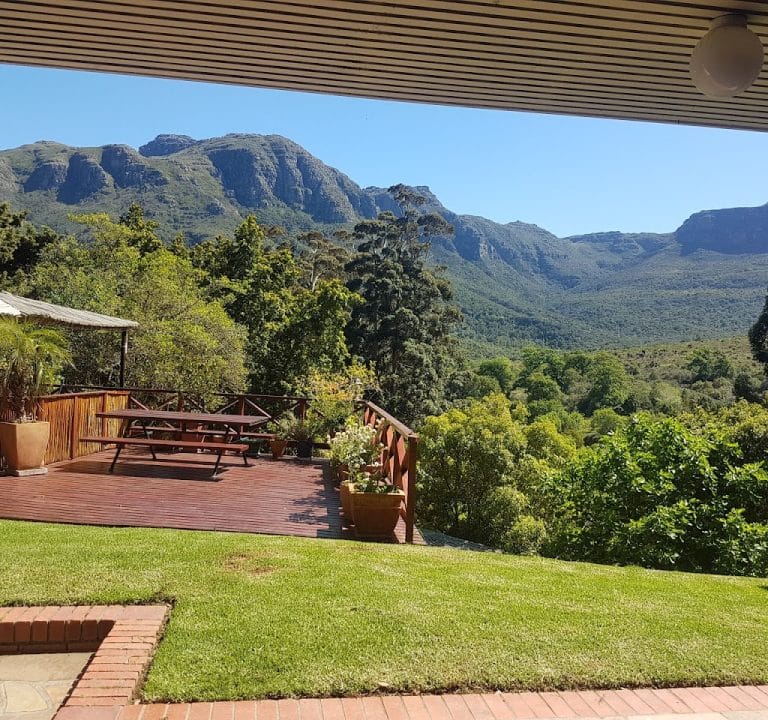
Phantom Acres sits on the western slopes of Table Mountain, within the natural amphitheatre formed by the mountain itself, the Twelve Apostles and the Constantiaberg. This prime position offers guests uninterrupted panoramic views and a sense of untouched Africa, while remaining conveniently close to the vibrant attractions of Cape Town, Hout Bay and the Cape Peninsula. Its eastern boundary runs alongside the Orangekloof Nature Reserve, a protected area that reinforces the feeling of remoteness and wilderness without sacrificing accessibility.
Guests are treated to a location that blends dramatic scenery with relaxed comfort. The property is renowned for its sun-drenched, north-facing orientation, ensuring cheerful mornings and a bright, uplifting atmosphere throughout the day. A large swimming pool provides a welcoming spot to unwind and cool off, making Phantom Acres a perfect base for travellers seeking downtime after day trips or after exploring the surrounding coastal and mountain routes. The setting also invites long, contemplative walks and easy access to a variety of hiking trails, fine dining, wine farms and other experiences that the Cape Town area has to offer.
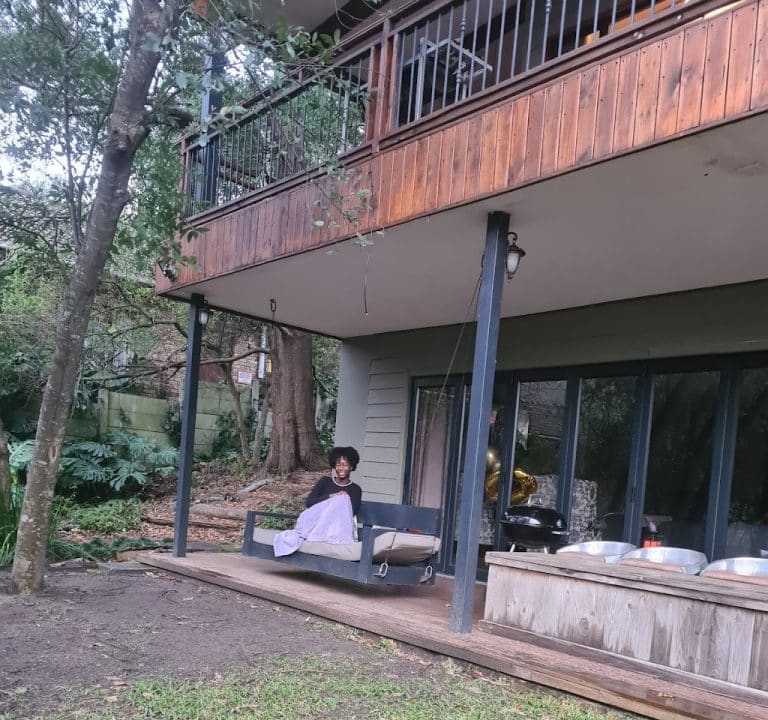
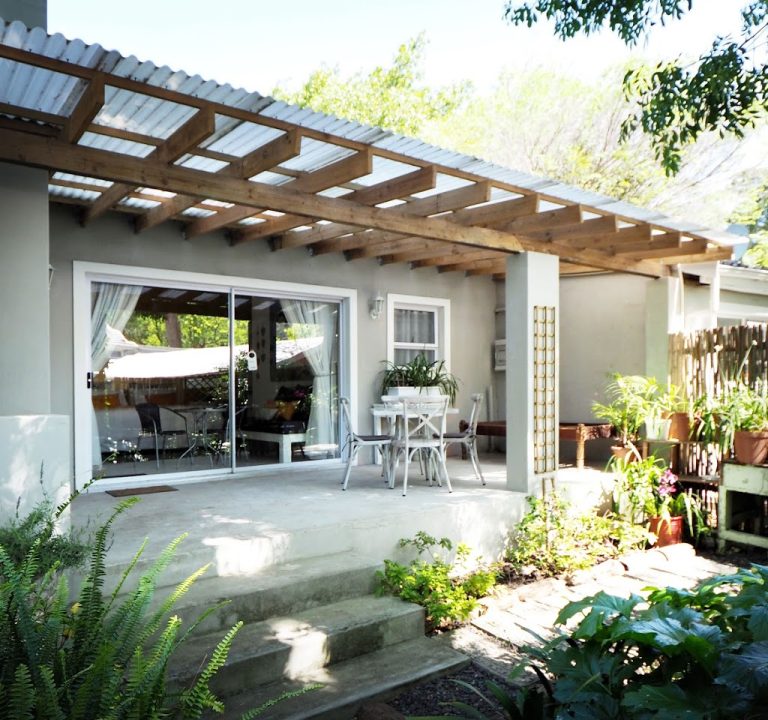
Accommodation at Phantom Acres ranges from a sizeable, multi-bedroom option to intimate and cosy retreats, each designed to maximise the spectacular views and the tranquil ambience. The on-site cabins and lodges are crafted to feel homely yet stylish, with a focus on comfort and natural textures that complement the mountain surroundings. While the exact interiors of each unit vary, guests can expect well-appointed spaces designed for easy living, with attention to warmth, privacy and convenient access to the property’s shared facilities.
Phantom Acres is well suited for travellers who want high-impact scenery without sacrificing creature comforts. It appeals to couples seeking a peaceful retreat, families looking for room to breathe and explore, and groups who value a scenic, well-equipped base from which to discover Cape Town’s iconic coastline, wine routes and hiking routes. The property’s proximity to Hout Bay and the broader Cape Peninsula makes it a strong choice for visitors who wish to combine natural splendour with access to fine dining and cultural attractions.
For those planning a stay, several accommodation options are highlighted on the official site. Forest Lodge occupies a two-storey position, tucked away in the valley and overlooking the swimming pool, offering generous space and a private vantage on the surrounding landscape. Yellowwood Tree Cottage presents a log cabin retreat nestled beneath towering tree canopies, with views that drift across the treetops. Orangekloof Cottage is another open-plan log cabin choice, designed to showcase the mood and majesty of the mountains from an intimate, unobstructed perspective. Each option is designed to capture the essence of Phantom Acres: a serene haven where guests can relax, reconnect with nature and enjoy the unique setting of this part of the Cape.
- Forest Lodge — a double-storey apartment overlooking the pool; prices start from around R3200 per night.
- Yellowwood Tree Cottage — a log cabin tucked under Yellowwoods with views over the tree canopy; prices start from around R2500 per night.
- Orangekloof Cottage — an open-plan log cabin with spectacular mountain views; prices start from around R2500 per night.
Nearby highlights abound for those who wish to explore beyond the grounds. The property’s position offers quick access to Chapman's Peak for spectacular coastal views, the charm of Hout Bay, and a broad range of outdoor pursuits. Guests can also explore Cape Town’s legendary wine regions, enjoy fine dining at acclaimed South African restaurants, and choose from a variety of hiking trails and nature experiences right on the doorstep. The balance of easy accessibility and dramatic scenery makes Phantom Acres an attractive option for travellers who want a gateway to both relaxation and adventure.
Booking and planning a stay are streamlined through the Phantom Acres website, which provides direct links to each accommodation option and further information about things to do in the area. As a travel hub for those seeking a nature-forward escape with convenient access to Cape Town’s urban draws, Phantom Acres provides a comfortable, scenic base with the option to explore a wealth of experiences—from restful poolside days to adventurous outdoor pursuits.
Practical travel tips include allowing time for scenic day trips along the Atlantic seaboard and into the Constantia valley, which is known for its wines and eateries. Given the mountain-facing orientation, guests may find early morning light particularly striking and recommend sunrise viewing from the property or nearby vantage points. For reliability and value, booking directly via the site ensures access to all accommodation options and the most current availability and rates.
Website: Phantom Acres — with featured pages for Forest Lodge, Yellowwood Tree Cottage and Orangekloof Cottage, plus sections detailing Things to Do and the Guest House location & map for planning a seamless Cape Town stay.
Cape Town
Western Cape
7806
South Africa

Cape Town: Where to Stay and What to Do
Cape Town offers a diverse mix of accommodation, from self‑catering escapes and cosy guesthouses to stylish boutique hotels and lodges. The key is to choose a neighbourhood that aligns with your priorities—outstanding scenery, easy access to dining, or a calmer base from which to explore the Cape Peninsula. With its dramatic mountains, pristine beaches and world‑class eateries, a well‑planned stay can be as relaxing as it is adventurous.
Self‑catering options and guesthouses are plentiful across the city and the surrounding foothills. Look for places that describe their proximity to the base of Table Mountain, the shaded lanes of Constantia, or the sweeping Atlantic coastline. For a stay framed by nature without sacrificing convenience, a property perched above the city with distant sea views often offers the best of both worlds: easy access to the V&A Waterfront and central sights while being enveloped by green spaces and calmer streets at night.
When you are booking, consider these practical points:
- Room layout and privacy: check if self‑catering units have separate entrances or private patios, important for groups or families.
- Amenities: a well‑equipped kitchen, good heating or cooling, reliable Wi‑Fi, secure parking, and in some cases a swimming pool or braai area can be deciding factors.
- Transport access: proximity to MyCiTi bus routes, major routes like the N2 or M3, and whether there is easy access to car hire or ride‑hailing options.
- Water security and sustainability: some properties rely on their own water supply or feature eco‑friendly practices, which can be an appealing consideration in the region.
Neighbourhoods to consider:
- City Centre and the Company’s Garden area for easy museum and restaurant access, with a lively urban feel.
- V&A Waterfront and Green Point for maritime views, modern dining, and family‑friendly attractions.
- Atlantic Seaboard (Camps Bay and Clifton) for beaches and sunset scenery, ideal for couples and photographers.
- Constantia Valley and Tokai for wine estates, green valleys, and tranquil residential streets.
- Hout Bay and the western slopes of Table Mountain for mountain trails, harbour atmosphere, and a quieter pace.
- Stellenbosch and the Cape Peninsula options for day trips, just outside the city but within a drivable distance for a longer break.
One notable example for travellers seeking self‑catering with a scenic backdrop is Phantom Acres. Nestled on the western slopes of Table Mountain near Orangekloof Nature Reserve, Phantom Acres offers a range of cabins and cottages with panoramic mountain views and access to Cape Town’s natural highlights. Their Forest Lodge, Yellowood Tree Cottage and Orangekloof Cottage illustrate the variety available: comfortable spaces designed for guests who want to unwind, explore, or simply soak up the countryside alongside city access. Their site presents a sense of place that emphasises outdoor living, hiking opportunities, and proximity to Hout Bay and Chapman's Peak views. For those interested, more information can be found on their official website.
Typical amenities you can expect in this region include well‑equipped kitchens or kitchens‑within‑units, comfortable seating and dining areas, private or shared outdoor spaces, and access to outdoor pools or sun decks. Some properties provide a barbecue area, laundry facilities, and secure parking. If the plan is a longer stay, look for properties that offer linen and towel services, weekly housekeeping, and clear guidance on local shops and markets—especially if you intend to cook at home and explore neighbourhood produce.
Planning how long to stay and what to prioritise is important. A four‑to‑seven night visit gives enough time to base yourself in one main neighbourhood and take day trips along the Atlantic Seaboard, the Constantia wine route, and the Cape Peninsula’s coastal towns. Consider a split stay if you want a beach‑front base for the first portion of your trip and a mountain‑view, quieter setting for the second leg. Pack clothing for varied weather: mornings on the mountain can be crisp, while afternoons by the coast may invite lighter wear and sun protection.
Attractions and experiences to weave into your itinerary (in general terms, to inspire planning rather than as a booking list):
- Iconic Table Mountain and cable car experiences, with panoramic views on clear days.
- Table Bay and the bustling harbourfront, offering boat trips and harbour walks.
- The Cape Peninsula drive to Chapman’s Peak and the route along coastal towns with rugged scenery.
- Wine estates in Constantia and nearby valleys, where tasting rooms and picnic opportunities exist.
- Vehicle‑free precincts and scenic trails suitable for hikers and nature lovers.
Best time to visit Cape Town generally spans from late summer to early autumn (February to April) and late spring (September to November), when the city enjoys mild weather, clearer skies, and fewer peak‑season crowds. If you are sensitive to wind or prefer calmer seas, early autumn often offers pleasant conditions for coastal walks and table showcases without the peak heat of midsummer.
To make the most of your stay, plan in advance, use reputable booking platforms, and cross‑check access routes and transport options. Cape Town rewards visitors who combine a well‑chosen base with a flexible itinerary, pairing restful accommodation with the chance to discover the city’s natural grandeur, culinary offerings, and easygoing charm. For more inspiration and a sample of accommodation options linked to Phantom Acres, visit their official site: http://www.phantomacres.co.za/
Sorry, no records were found. Please adjust your search criteria and try again.
Sorry, unable to load the Maps API.
Why Claim Your Listing?
Claiming your listing on the B&B Finder directory website is a valuable opportunity for business owners. Here are five reasons why you should consider claiming your listings:
Control Over Business Information: By claiming their listing, business owners can ensure that all the information presented is accurate and up-to-date. This includes details such as contact information, address, pricing, and available services or amenities. Accurate information helps prevent customer confusion and improves overall satisfaction.
Enhance the Listing: Once a listing is claimed, owners can enhance it by adding more comprehensive information and rich media, like high-quality photos and videos. These additions can make the listing more attractive and engaging to potential customers, thereby increasing the likelihood of bookings.
Marketing Opportunities: Claiming a listing can also open up additional marketing opportunities. Owners may be able to participate in promotional campaigns, special offers, and other marketing activities organized by the directory. This can increase visibility and attract more customers to the business.