Where to stay in Cape Town and how to plan a rich, relaxed visit
Cape Town, in the Western Cape, offers a wide range of accommodation from cosy guest houses to boutique hotels and self‑catering apartments with spectacular views. When planning a stay, it helps to think about what you want to see and how you’ll move around. The city’s neighbourhoods each have their own character, but you’ll typically find guestrooms or suites with characterful décor, comfortable beds, on-site breakfasts, and reliable Wi‑Fi. If you are travelling with family or a group, consider options that offer flexible layouts, a little extra living space and parking.
Areas to consider anchor your stay to a feel and a vantage point. The City Centre and the central Foreshore provide convenient access to the V&A Waterfront, museums, theatres and business districts, with many guest houses and small hotels housed in historic façades. The Atlantic Seaboard, from Sea Point to Camps Bay, is ideal for ocean views and strolls along the promenade, with numerous boutique stays and guest houses perched near the coastline. Constantia and the greater Constantia Valley offer leafy, quieter settings a short drive from the city, well suited to those seeking wine country day trips and large garden views. For a more culturally immersive experience, the Bo-Kaap and neighbouring areas provide bright, heritage‑rich stays close to colourful streets, markets and cafés. If you’re chasing a full, multi‑day itinerary, a base near the city bowl with easy access to Table Mountain and the Cableway can reduce commute times between hikes and dining.
Typical amenities you can expect include complimentary breakfast or a continental option, private or en‑suite bathrooms, daily housekeeping, secure parking, and 24‑hour reception or on‑site managers. Some guest houses offer guest‑only lounges, balconies or courtyard spaces, and small kitchens or tea/coffee stations. Look for reliable air conditioning or ceiling fans in warmer months, and shutters or thick curtains in hot summers to keep rooms cool and comfortable. If you’re visiting during peak season, check whether the property offers luggage storage and late check‑in arrangements; these little details make a big difference to the flow of your travel days.
Transport is straightforward in Cape Town, but planning ahead saves time. The city’s MyCiTi public transport system covers many popular routes, including connections to the V&A Waterfront and the airport. For more flexibility, a mix of Uber, meter taxis and car hire works well, particularly if you intend to explore Cape Point, Constantia’s wine estates or the Cape Winelands. If you stay near the central hub, you’ll often be within easy reach of cafés and markets on foot, with ride-share apps handy for evening dinners. For travellers who wish to stay car‑free, pick a central neighbourhood with walkable access to waterfront attractions and a reliable local bus or ride‑share network.
Best time to visit Cape Town balances weather, shoulder seasons and crowd levels. Springtime (September to November) brings mild temperatures and blooming gardens, while autumn (March to May) offers pleasant days and fewer tourists. The city can be busy in December and January, particularly around the holidays, so booking well in advance is wise if you hope to secure a preferred guest house or boutique hotel. Winters are mild by many standards, but afternoons can be rainy, so check for a cosy room with a heater or fireplace if you’re visiting in the south‑ern hemisphere’s winter months.
When planning sightseeing and dining, you’ll find a wealth of experiences that suit diverse tastes. Iconic natural attractions include a summit visit to Table Mountain or a scenic drive along the Atlantic coast to viewpoints that reveal sweeping city and sea panoramas. Robben Island offers a historical insight into South Africa’s past, while Kirstenbosch National Botanical Garden showcases Cape flora at its best. If you enjoy coastal strolls and seafood, there are many beaches and harbours that offer casual dining options with a focus on fresh ingredients. For a broader palate, Cape Town’s food scene emphasises farm‑to‑table seafood, modern South African cuisine, and cosmopolitan eateries reflecting the city’s multicultural influences. In every neighbourhood you’ll encounter markets, cafés and bakeries where you can sample local produce and artisan goods without straying far from your base.
Booking tips to help you make the most of your stay:
- Book a base with a kitchen or kitchenette if you plan several breakfasts or light suppers in your room, especially for longer trips.
- Choose accommodation with easy access to public transport or parking if you intend to explore beyond the immediate neighbourhood.
- Look for quiet rooms away from main streets if you’re a light sleeper and want a restful night after a full day of activities.
- Check cancellation policies and whether the property offers flexible terms during hotel or season shifts.
- Read recent guest reviews to gauge consistency in service, cleanliness and responsiveness to guests’ needs.
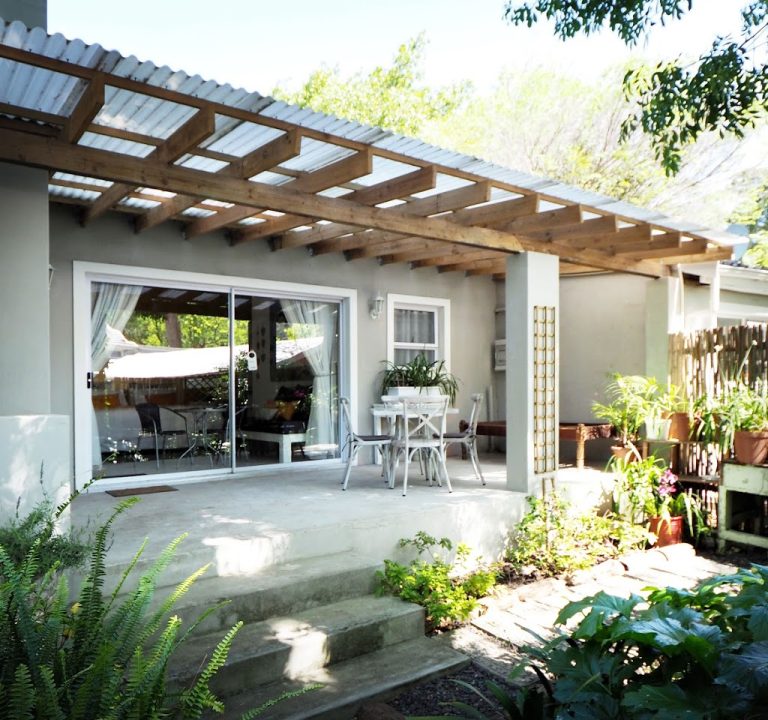
One example of the style of stay you might find in Cape Town is a guest house that blends a homely atmosphere with practical comforts—a good base from which to explore from the city up towards the mountain. Such a property might offer a warm welcome, dependable breakfast, and local tips on routes, parks and dining that help you tailor your days to your interests. When you’re ready to book, you can visit reputable accommodation platforms or the official tourism sites for up‑to‑date listings and suggested itineraries. If you’re curious about specific places, a well‑chosen guest house such as Treehouse Guest House could provide a distinctive, characterful option, highlighting the kind of personal touches that can make a stay memorable while you discover Cape Town’s many charms.