Johannesburg: Accommodation and activities for a well-planned stay
Johannesburg, often known as Jo’burg or Jozi, is a dynamic gateway to South Africa’s history, culture and natural beauty. When planning a stay, consider the city’s diverse neighbourhoods, each offering a distinct character, from stylish urban lofts to family-friendly guesthouses. A well‑rounded visit balances comfortable lodging with accessible transport, interesting attractions, and a few memorable dining experiences.
Where to stay is a good starting point. For first-time visitors, central districts such as the northern suburbs’ upmarket pockets and the inner-city can offer convenience to major sights and a range of modern lodgings. If you value a calmer atmosphere, leafy precincts further north or in the Rosebank and Parkview areas provide quieter streets while still keeping you near attractions and easy transit links. For those who prefer a hip, creative vibe, areas like Braamfontein, Maboneng and Newtown present lively accommodation options with easy access to galleries, markets and street food. When choosing, look for a neighbourhood map in the listing and confirm how long it takes to reach the places you plan to visit.
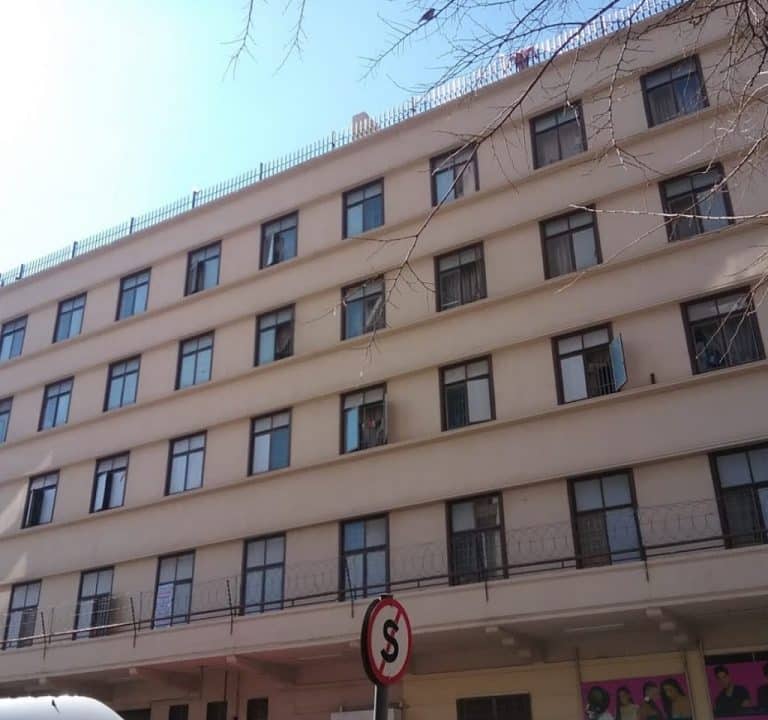
Typical amenities to expect include reliable Wi‑Fi, secure parking or easy access to public transport, private en-suite bathrooms, and clear housekeeping schedules. Some properties offer kitchen facilities or self-catering options, which can be practical for longer stays or for travellers wanting flexibility. If you’re travelling for business or with family, check for co-working spaces, laundry facilities, and family‑friendly room configurations. A few lodgings also emphasise safety features such as 24‑hour reception, controlled access, and on-site staff. In urban centres, a stay with good daylight in common areas and well‑lit entrances can contribute to a comfortable and secure feel after dark.
Transport is a key planning factor. Johannesburg has a modern rail link known as the Gautrain, which can simplify trips to nearby towns and the airport, complemented by regional buses and a broad ride‑hailing network. Within the city, many accommodations provide shuttle services or can arrange trusted transfer options. If you are operating on a tight schedule, choose locations with easy access to main roads or a straightforward taxi/E‑hailing setup. When using public transport, check the latest routes and service times, especially on weekends, and budget a little extra for peak‑hour traffic in busy parts of the city.
Best time to visit combines climate and events. Johannesburg has a temperate climate with warm summers and mild winters. The city’s high altitude means days can be bright, and evenings may be cooler, so packing layers is wise. The dry winter months often bring clearer skies, while summer can deliver afternoon showers. If you’re planning outdoor experiences or day trips to nearby nature reserves or cultural sites, aim for spring or autumn to balance pleasant temperatures with manageable crowds. South Africa’s public holidays and major events can affect hotel availability and prices, so it can pay to book a few weeks in advance during peak periods.
What to plan around besides lodging? A range of attractions offers insight into the country’s history, art, and natural beauty. Visitors often begin in central areas with museums, markets and historic districts that reflect the city’s complex past and vibrant present. Day trips to nearby natural areas or regional towns can provide a refreshing contrast to city life, while city‑based galleries, theatres and live music venues offer cultural evenings to complement daytime sightseeing. When selecting activities, opt for experiences that suit your pace and interests, and allow some time for spontaneous discoveries in the city’s dynamic streetscapes.
Dining and nightlife in Johannesburg cover everything from traditional favourites to contemporary fusion and street‑food style markets. In many precincts, you’ll find a mix of casual cafés, modern bistros and vibrant eateries alongside more formal dining rooms. While exact openings and menus vary, the city’s hospitality scene generally emphasises quality ingredients, diverse flavours and a welcoming atmosphere. Consider pairing a restaurant visit with a stroll through a nearby precinct to enjoy the area’s energy, street art and chances to meet locals and fellow travellers.
Practical tips to help you make the most of your stay:
- Book accommodation with clear cancellation terms and transparent pricing to avoid surprises if plans change.
- Call out security features and lighting in the immediate surroundings when evaluating a property’s location.
- Check access to public transport hubs and the availability of safe, well‑lit routes for evening outings.
- Factor in time for travel between sights, as traffic can be unpredictable in busy areas.
- Pack adaptable clothing to accommodate temperature swings and indoor-outdoor activities.
With thoughtful planning, a stay in Johannesburg can be both comfortable and exciting. Whether you base yourself in a stylish city centre apartment, a family‑friendly guesthouse, or a boutique lodge in a leafy suburb, you’ll find a wide range of accommodation options to suit your budget and pace. Pair your lodging with well‑chosen attractions and dining experiences, and you’ll have a memorable visit that reflects the city’s warmth, resilience and creativity.