Johannesburg: where to stay, eat, and explore in Gauteng
Johannesburg, often called Jo’burg or Jozi, is a sprawling city that blends dynamic city life with nearby natural scenery. When planning a stay, travellers typically look for accommodation that balances central access with neighbourhood flavour, reliability, and safety. Areas such as the city centre, Maboneng, Braamfontein, Rosebank, Sandton, and the northern suburbs each offer a distinct vibe, from hip, artsy pockets to leafy, family-friendly streets. For budget-conscious travellers, hostels and mid-range guesthouses can provide sociable atmospheres and convenient access to attractions and transit links.
Accommodation in Johannesburg ranges from social hostels to stylish boutique hotels and practical guesthouses. Many options pride themselves on practical touches: reliable Wi‑Fi, self‑catering facilities, secure access, and helpful staff who can point you to local experiences. Budget-conscious travellers can find dormitories and private rooms in hostels such as those that emphasise community, city walks, and shared kitchen spaces. For families and longer stays, guesthouses and mid-range hotels often offer suites with kitchenettes, laundry facilities, and on-site dining or easy access to nearby eateries.
When selecting where to stay, consider proximity to transport hubs and major routes. The Gautrain network provides fast connections to OR Tambo International Airport and to Pretoria, while city centre hotels are typically within a short ride of meetings, museums, and markets. If you plan day trips to nearby nature reserves or the Cradle of Humankind, check whether your accommodation offers easy access to major highways and reliable car hire services or shuttle options.
A typical set of amenities helps many travellers feel comfortable in Johannesburg. Look for free or affordable breakfast, 24‑hour reception, secure parking or convenient public transport access, in-room safes, and thoughtfully equipped communal spaces for meeting fellow guests. Kitchen facilities, laundry services, and air conditioning are especially appreciated during the city’s hotter months. For longer stays, a flexible cancellation policy can be a lifesaver in a destination where travel plans can shift quickly.
Getting around the city is straightforward with a mix of options. The Gautrain and city buses connect major hubs, while ride-hailing services and taxis remain common. If you are staying in central districts like the CBD or Braamfontein, walking or short rides to attractions, restaurants, and markets is feasible. For quieter stays or a more residential feel, northern suburbs and certain guesthouses provide pleasant access to parks, shopping centres, and cultural venues including theatres, galleries, and historical sites.
Best time to visit Johannesburg depends on what you want from your trip. The city enjoys mild winters and warm summers. Peak travel periods often coincide with school holidays and public holidays, when attractions can be busier. Spring and autumn offer comfortable weather for outdoor strolls and city sightseeing. Remember that afternoon thunderstorms can occur in the warmer months, so packing a light layer and a compact umbrella can be practical.
In terms of attractions, Johannesburg offers a mix of museums, markets, and outdoor spaces. The city’s cultural heartlands showcase street art, markets, and galleries that celebrate contemporary African art and design. Nearby nature reserves and parks offer trails and viewpoints, while historic sites reveal insights into the region’s history. There are plenty of opportunities to explore by day and enjoy a diverse dining scene by night, ranging from casual eateries to restaurants that showcase local ingredients and modern takes on favourite dishes.
Restaurants in Johannesburg span a broad spectrum, from bustling cafés and casual bistros to more refined dining rooms. Many districts feature clusters of eateries where you can sample vibrant, modern South African cuisine alongside international options. Whether you crave hearty comfort food, fresh seasonal produce, or inventive vegetarian and vegan choices, you will find venues that suit your mood and budget. A casual plan might involve wandering a neighbourhood known for its street-food stalls and small, independently owned eateries, then settling into a comfortable dining spot for dessert or coffee.
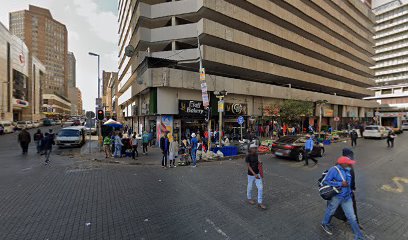
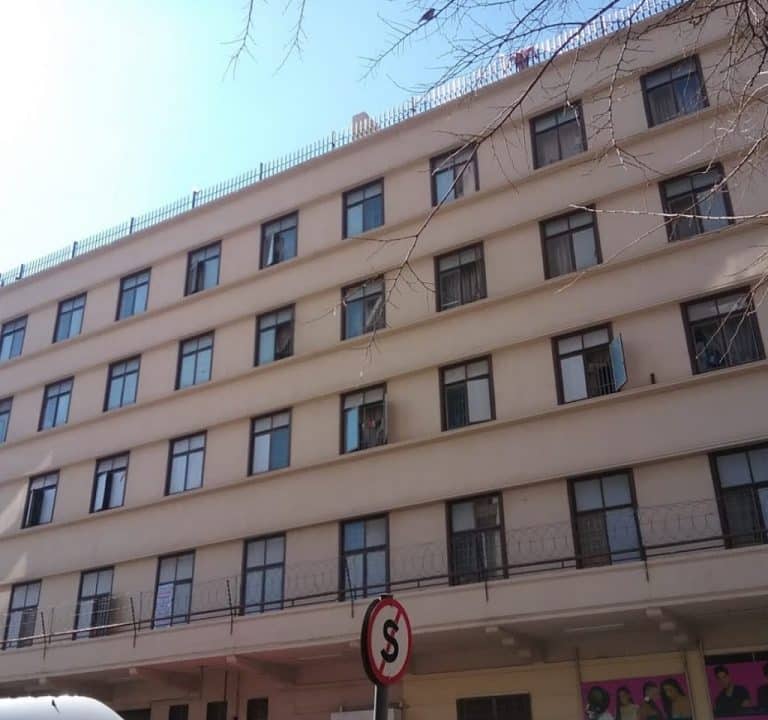
For accommodation that exemplifies budget-friendly, sociable stays, consider noting a few properties that cater to travellers seeking a city-centre base. Duncan Place, a hostel listed within Johannesburg, serves as an example of how a central, community-minded option can suit travellers who prioritise affordable, practical stays. Such establishments often focus on clean spaces, secure access, and opportunities to meet fellow guests, while still providing easy routes to main sights and transit links.
Planning tips to maximise your trip
- Check neighbourhood character: central areas offer convenience and nightlife, while suburban pockets may provide quiet streets and parks.
- Assess transport needs: proximity to a rail link or major bus routes can save time; consider whether you’ll rely on taxis or rental cars.
- Review amenities: reliable Wi‑Fi, laundry, kitchen access, and secure parking are valuable for longer stays.
- Understand safety and access: read guest reviews about security measures and lighting around the property, especially if you plan late arrivals.
- Plan a mix of experiences: balance museum visits and markets with a day in a park or a short excursion to a nature area.
Booking thoughtfully means pairing a comfortable base with an itinerary that reflects Johannesburg’s energy and diversity. With careful planning, you can enjoy convenient access to major sights, a dynamic dining scene, and the welcoming spirit that many visitors remember long after their trip ends.