Johannesburg: Accommodation, Attractions and Practical Planning for Visitors
Johannesburg, often referred to as Jo’burg or Jozi, is a dynamic gateway to Gauteng with a mix of modern hotels, historic guesthouses, and stylish contemporary stays. When planning a visit, consider staying in a neighbourhood that matches your trip aims—whether you want easy access to business districts, cultural hubs, or lively street life. Areas such as Sandton and Rosebank offer polished, transport-friendly bases with shopping and dining options, while Braamfontein, Maboneng, and Newtown deliver a more bohemian, arts-focused atmosphere. For a deeper dive into culture and history, staying near central Johannesburg can minimise travel time to museums, markets and notable landmarks. If your itinerary includes day trips to Soweto or the Cradle of Humankind, a well-connected hotel or guesthouse with good transport links can save you time and stress.
Accommodation in Johannesburg ranges from business-oriented hotels to boutique stays and guesthouses with personalised service. When choosing where to stay, look for a balance between comfort and practicality. Key considerations include location relative to public transport or major routes, security provisions, and on-site facilities such as reliable Wi-Fi, breakfast options, parking, and 24-hour reception. Some properties are aligned with business travel and offer conference spaces or business lounges, while others emphasise curated experiences, such as guided local tours or in-house dining. If you prefer a specific feel—modern minimalism, colonial elegance, or a vibrant, design-led environment—there are choices to suit every taste.
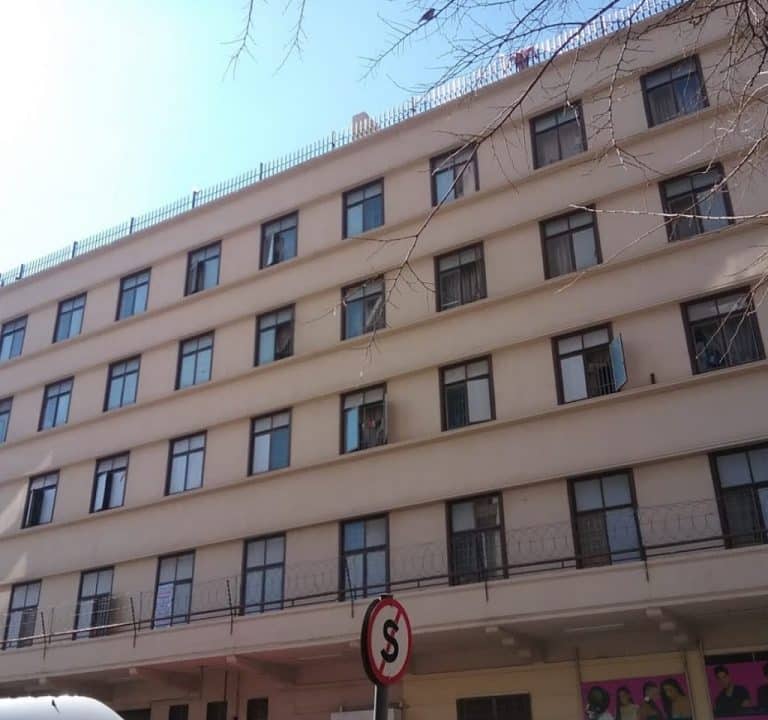
For those seeking a reference point, a centrally located option might be similar in concept to Tivoli Hotel, which can offer convenient access to a range of urban corridors, eateries, and galleries. While specific properties vary, the aim is the same: a comfortable base from which to explore the city and return to a restful room at the end of busy days.
Typical amenities you may encounter include en-suite bathrooms, air conditioning or fans, in-room safes, coffee and tea facilities, and daily housekeeping. Many hotels and guesthouses offer complimentary breakfast, which can be a time-saver before a day of exploring. Some properties provide on-site fitness spaces, swimming pools, or lounges, and a handful may offer spa treatments or partner with local tour operators for curated experiences. If you travel with family or a group, multi-room options, suites, or interconnected rooms can be convenient. Accessibility features and quiet rooms are worth checking if you have specific needs or prefer a tranquil stay.
Transport in Johannesburg is best planned in advance. The city has a network of taxis and ride-hailing apps, and the Gautrain provides rapid rail connections between Johannesburg and Pretoria, with links to OR Tambo International Airport via comfortable buses. If you are renting a car, confirm on-site or secure off-street parking, particularly in busy urban areas where street parking can be limited. For visitors who want a car-free experience, choose neighbourhoods with good walkability and nearby metro lines or bus routes. When planning day trips, remember that traffic can be unpredictable, and allow extra time for journeys during peak hours.
Best time to visit Johannesburg depends on your preferences. The city enjoys a mild winter (June–August) and a warm summer (November–March), with summer bringing occasional afternoon showers. Winter can be a comfortable time for sightseeing with fewer crowds, while spring and autumn offer pleasant temperatures for outdoor markets and walks. If you plan to visit outdoor attractions or nature reserves, pack sun protection and a light layer, as temperatures can fluctuate throughout the day.
Attractions and experiences in and around Johannesburg are widely varied, from art and history to markets and nature. In central districts, you can expect galleries, museums, and heritage sites that illuminate South Africa’s complex history and contemporary culture. Street art and architectural tours provide a visual record of the city’s evolving landscape. Markets and neighbourhood hubs offer a mix of crafts, fashion, and flavourful street food, giving a sense of local life beyond the hotel lobby. For nature and a change of pace, nearby green spaces and nature reserves provide trails, birdlife, and scenic viewpoints within easy reach of the urban core. If you plan a longer stay, day trips to nearby regions can be rewarding, with opportunities to learn about South Africa’s diverse communities and landscapes.
Dining in Johannesburg covers a wide spectrum, from casual eateries serving local favourites to refined restaurants with contemporary flair. Expect a mix of South African cuisine alongside international influences, with plenty of options for meat lovers, vegetarians, and those seeking lighter fare. Many places emphasise vibrant atmospheres, inventive menus, and service that showcases South African hospitality. If you have specific dietary requirements or prefer certain cuisines, it’s usually straightforward to find suitable options in most central and nightlife-friendly zones.
Practical planning tips to maximise your stay:
- Choose a base with good access to public transport or easy taxi routes to minimise travel time between sights.
- Check security features, including entry systems, safe-keeping, and staff availability, especially if you’ll be out late or returning after dark.
- Confirm breakfast options and dining flexibility, in case you want to branch out to cafés and markets nearby.
- Ask about parking arrangements if you’re driving; confirm any fees or time limits and whether the hotel offers a shuttle service to key hubs.
- Consider a mix of experiences by booking a comfortable hotel for rest days and a guesthouse or boutique stay in a vibrant district for immersion in local life.
Regardless of whether you’re visiting for business, culture, or a broad exploration of Gauteng, Johannesburg offers a range of welcoming stays and a broad spectrum of attractions. With thoughtful planning—selecting the right neighbourhood, confirming essential amenities, and balancing indoor comfort with outdoor discovery—you can design a stay that captures the city’s energy while ensuring a restful, convenient retreat each evening.