Accommodation and Things to Do in Cape Town, Western Cape
Cape Town offers a diverse mix of places to stay, from stylish boutique hotels and guesthouses to modern apartments and family-friendly lodges. When planning a visit, think about which neighbourhoods suit your pace and interests, how you plan to get around, and what kind of amenities will make your stay most comfortable. The city’s natural beauty, cultural energy and access to outdoor experiences make it ideal for a memorable break, whether you’re seeking convenience, quiet, or a lively base for day trips.
Neighbourhoods to consider
Central Cape Town and the foreshore are convenient for city sights, museums, and easy access to public transport. The Atlantic Seaboard offers a breezy, scenic feel with beaches and trendy eateries, while the Constantia Valley provides wine country charm close to green hills and hiking trails. Green Point, De Waterkant, and the V&A Waterfront area are popular for proximity to restaurants, shops, and entertainment. For a more relaxed stay with easy access to climbable terrain and nature, the southern suburbs and leafy Constantia or Tokai can be appealing. When choosing accommodation, consider how close you want to be to the city centre, major attractions, or quieter residential streets with panoramic views.
What to look for when booking
- Amenities that fit your plans, such as reliable Wi‑Fi, self‑c catering options, or on‑site dining.
- Accessibility and transport links, including parking, proximity to major routes, and nearby public transport hubs.
- Room configuration and privacy, especially for families or groups—check whether studios, suites, or multi-bedroom options are available.
- Safety features and guest services, such as 24‑hour reception, security, and on‑site staff who can assist with local tips.
- Security of valuables and a sensible cancellation policy that suits travel plans.
Typical amenities and what to expect
Many accommodation options in Cape Town offer a mix of en‑suite bathrooms, daily housekeeping, and stylish décor. You’ll commonly find air conditioning or ceiling fans, coffee stations, and well‑equipped kitchens or kitchenettes in apartment‑style stays. Some properties feature pools with views, fitness facilities, and roof terraces. Guesthouses and boutique hotels often emphasise personalised service, with continental or full‑board breakfast options and curated local recommendations. It’s worth confirming whether electricity supply is reliable, considering occasional outages, and whether there are back‑up options or generators in place for longer stays.
Transport and getting around
Cape Town is easy to explore with a combination of car hire, rideshare apps, and some excellent public transport links. A car provides freedom for day trips to the Cape Winelands, the Cape Point nature reserve, or scenic coastal routes. If you prefer not to drive, many hotels offer shuttle services to key areas, and Uber or similar services are commonly available in the city. The MyCiTi bus rapid transit system serves several major routes, though planning in advance is helpful to align with schedules for beaches, viewpoints, and attractions. Consider staying in areas that allow walkability to eateries and attractions, especially if you want to enjoy Cape Town’s vibrant dining scene without relying heavily on transport at night.
Best time to visit
Cape Town has a Mediterranean climate with dry summers and wet winters. The late spring and early autumn periods—when the city is quieter and the weather is mild—often provide comfortable conditions for sightseeing and outdoor activities. Summer (December to February) offers longer daylight and excellent beach weather, though it can be busier. Winter (June to August) brings cooler, wetter days; it is still possible to enjoy city experiences and cultural attractions with proper layering and rain gear. Shoulder seasons can be ideal for balancing crowds, price, and pleasant temperatures.
Planning tips for a balanced stay
- Pre‑book popular attractions or experiences when travelling in peak seasons to secure availability.
- Pair outdoor days with restorative evenings at a comfortable base, ideally within walking distance of good dining options or a short ride away.
- Pack a light layer for coastal winds and stronger sun protection for daytime outings on the peninsula or at the beaches.
- Check luggage storage options if you have late departures or early arrivals before check‑in times.
- Consider a two‑to‑three night minimum in certain areas to enjoy a balanced mix of sights and downtime without feeling rushed.
Contemporary accommodation option to consider
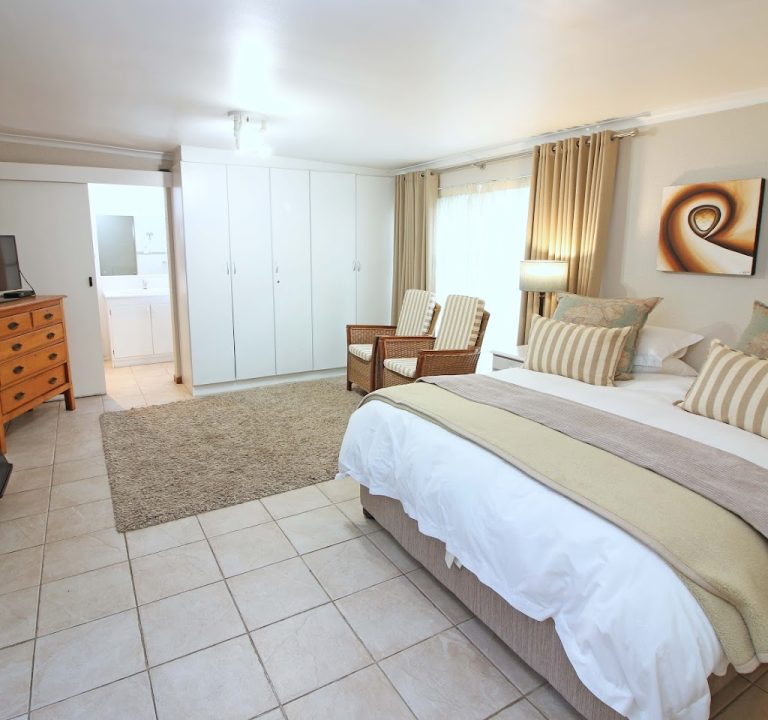
One example of a contemporary stay in the city is VILLA10 on Hugo, a boutique option within the Cape Town area. The property combines stylish interiors with convenient access to central sights and nearby beaches. It can be a suitable base for visitors who want a polished, comfortable stay with easy links to explore the region further. For more information, you can visit the property’s website at Villa10 on Hugo.
Attractions and dining in broad terms
Cape Town’s attractions span dramatic landscapes, historic sites, and world‑class dining. Iconic viewpoints offer sunset panoramas over the bay, while nature reserves and coastal trails provide abundant photo opportunities. Museums and cultural centres offer insights into the region’s history and contemporary art. In terms of dining, the city showcases a mix of casual bistros, seafood spots, and refined eateries that emphasise fresh local produce. Planning a combination of outdoor days and relaxed meals can help visitors experience Cape Town’s flavours, scenery and hospitality without feeling rushed.