Staying in Cape Town: accommodation options, planning tips and local attractions
Cape Town offers a wide range of places to stay, from intimate guesthouses tucked into leafy neighbourhoods to stylish hotels perched along the Atlantic coastline. When choosing where to base a visit, consider what you most want to experience: city culture and harbour views, beach access and sunset dining, or easy access to winelands and nature. Whether you favour the buzz of the City Bowl, the cosmopolitan feel of the V&A Waterfront area, or a serene retreat in Constantia, there are options to suit most itineraries and budgets.
One appealing option is a boutique guesthouse or small hotel in central Cape Town or the historic suburbs. These often offer a personalised welcome, distinctive interior design, and proximity to attractions, museums and markets. If you prefer a coastal ambience with dramatic sea views, look along the Atlantic Seaboard, including areas near Camps Bay and Clifton, where accommodation tends to be contemporary and stylish. For more tranquil scenery and superb wine experiences, consider lodging in Constantia or the nearby Constantia Valley, where easy day trips to wine estates and mountain hikes are part of the routine.
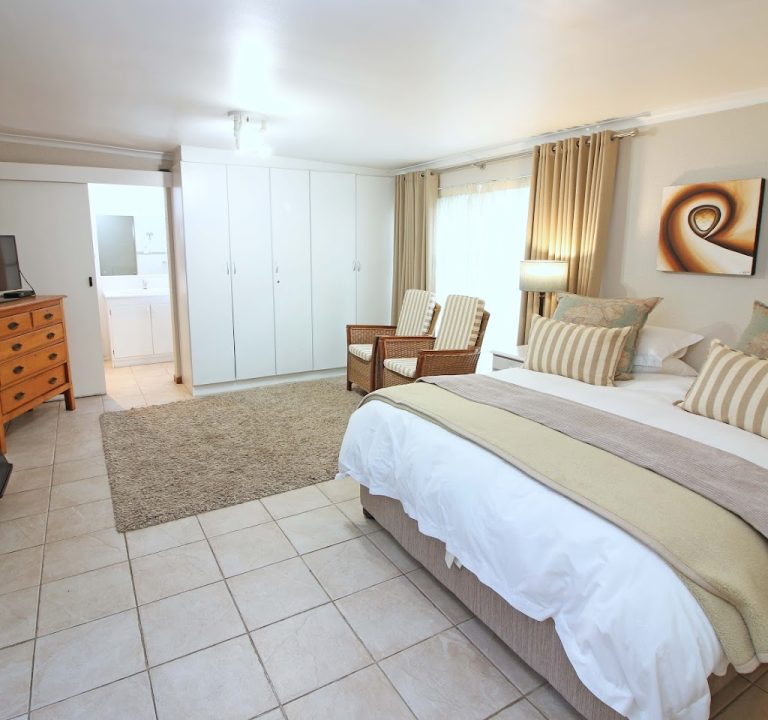
Common features to look for when booking include reliable Wi-Fi, secure onsite parking if you plan to hire a car, and a generous breakfast offering, which is a practical way to start busy days of sightseeing. Many properties provide flexible check-in, room options with ensuite bathrooms, climate control, and outdoor spaces such as terraces or gardens. Some boutique stays are deliberately smaller with personalised recommendations, while larger hotels may offer additional services such as concierge assistance, on-site spa facilities, and conference spaces. If you are travelling with family or a group, verify room configurations and accessibility features, and ask about child-friendly amenities or interconnecting rooms where useful.
Typical amenities to expect or request include:
- Complimentary breakfast and options for packed lunches or early starts
- Free or affordable parking and accessible public transport connections
- Airport transfers or shuttle services (where available)
- Well-equipped en-suite bathrooms and quality bedding
- Tea and coffee facilities, mini-bars, and in-room safes
- Seasonal outdoor spaces such as pools or courtyards
Getting around Cape Town is straightforward if you plan ahead. The city has a combination of MyCiTi buses, metred taxis, and ride-hailing apps. If you are staying close to the city centre or the Waterfront, walking and short taxi rides can be very practical. Renting a car is convenient for day trips to the Cape Winelands, the Cape Peninsula drive to Cape Point, or visits to the southern suburbs. When driving, allow extra time for urban traffic and peak-season crowds, particularly around popular beaches and holiday periods. Public transport routes and schedules can vary, so it helps to have a printed plan or a downloaded map for the areas you plan to visit.
Best time to visit Cape Town depends on your priorities. The shoulder seasons of spring (September to November) and autumn (March to May) offer mild weather, lighter crowds, and pleasant days for outdoor exploration. Summer (December to February) brings longer days and vibrant beach life, though it can be busier and pricier. Winter (June to August) is cooler and wetter, but the surrounding winelands can still be delightful with fewer visitors and cosy indoor experiences. Whatever the season, the city’s natural beauty—from Table Mountain to pristine beaches and lush gardens—remains a constant backdrop for a memorable stay.
When planning a stay, consider a couple of strategic bases. The City Bowl area provides convenient access to museums, historic sites, markets, and a lively dining scene. The V&A Waterfront area is ideal for harbour views, cruises, and a walkable waterfront with restaurants and shops. If you want a more tranquil base with easy access to nature and wine estates, Constantia or the southern suburbs can be excellent choices. For a glamorous beach experience, the Atlantic Seaboard around Camps Bay offers stylish options and sunset scenery, while again maintaining proximity to the city’s cultural heart via short drives or rides.
Accommodation and experiences to consider include staying in a characterful guesthouse such as Lalali Guest House, which can offer a personalised, homely atmosphere and a sense of place within Cape Town’s diverse neighbourhoods. While exploring, you can plan days that mix scenic drives along the coast with visits to markets, art galleries, and cafés that reflect Cape Town’s multicultural spirit. For dining, seek out establishments that showcase seasonal, locally sourced produce and regional flavours, and be open to a mix of casual eateries and fine dining, where menus often celebrate the city’s coastal ingredients and South African culinary traditions.
While not listing specific names, a practical plan might look like this: allocate a couple of nights in a central base to explore the city’s core highlights, then split a few nights near the coast or in the winelands for a change of pace. Use one day for a Peninsula excursion to the cape’s viewpoints, a second day for a city-based itinerary of markets, museums and harbour experiences, and a final day for a winelands loop or a scenic drive with short hikes. Always confirm cancellation policies, in-room amenities, and dining options ahead of arrival, and keep a flexible mindset to adjust plans according to weather and local events.