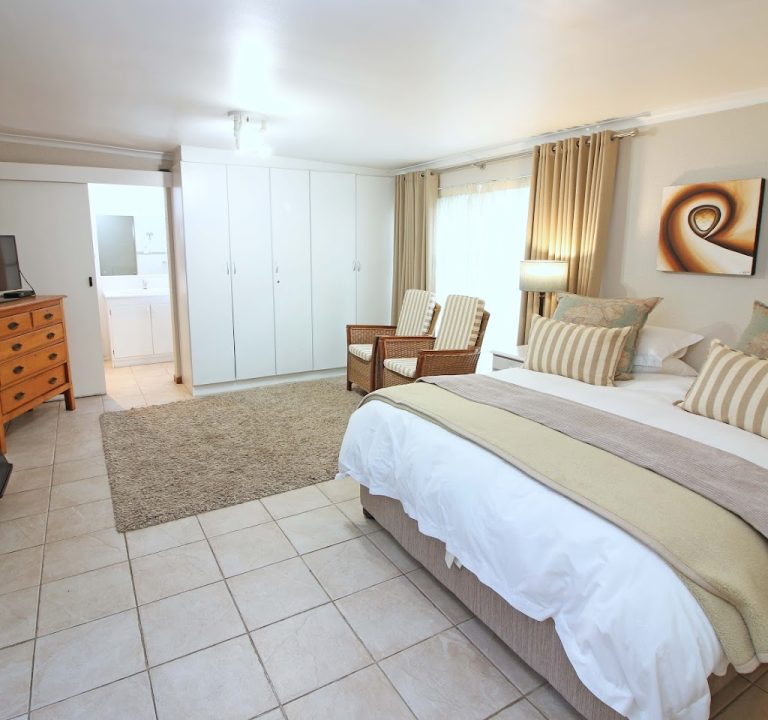
Accommodation and Experiences in Cape Town, Western Cape
Cape Town is a city of striking contrasts, where dramatic coastlines meet winding mountains and a cosmopolitan heritage sits alongside serene vineyards. When planning a stay, consider the different neighbourhoods to match your interests, whether you crave waterfront views, easy access to Table Mountain, or a quieter residential atmosphere close to markets and cafés. The right choice can influence everything from daily transport to dining options and the pace of sightseeing.
Areas to consider include:
- Atlantic Seaboard (including Sea Point, Green Point, and Camps Bay) – famed for ocean panoramas and beach access, with a range of stylish hotels, guesthouses, and short‑term apartments. Excellent for sunset strolls, seafood casual spots, and proximity to the V&A Waterfront.
- City Bowl and the Inner City – convenient for exploring museums, galleries, offices, and a vibrant food scene. A mix of boutique hotels, guesthouses, and centrally located apartments with easy access to MyCiTi bus routes and historic streets.
- Table Mountain corridor (Tamboerskloof, Oranjezicht, Gardens) – leafy streets, character-filled B&Bs and guesthouses, often with quick ascents to the mountain trails or cable car base.
- Bo-Kaap and De Waterkant – compact, colourful neighbourhoods with charming guesthouses and boutique stays, close to cafés, heritage sites, and harbour views.
- Woodstock and Observatory – up-and-coming districts offering contemporary design-led stays and easier access to creative hubs, markets, and new-age eateries.
When booking, look for features that support a comfortable stay and a smooth itinerary. Consider the following:
Typical amenities and what they mean for you:
- Self-catering options – a practical choice if you prefer informal breakfasts, have dietary needs, or plan to shop at local markets. A kitchen or kitchenette can save time and money during longer visits.
- Inclusive Wi‑Fi and good workspace – essential for travellers who need to stay connected or catch up on emails between adventures.
- Parking – secure, on-site, or easy street parking reduces daily logistics, especially if you plan to hire a car for day trips into Cape Point, the Cape Winelands, or along the coast.
- Guesthouse character – many properties in Cape Town blend vintage charm with modern comforts, offering personalised service and local insights from hosts.
- Air conditioning or heating – Cape Town’s climate ranges seasonally, so check for comfortable year-round options, particularly in summer heat or cooler evenings near the coast.
- Private terraces or balconies – a welcome feature for enjoying outdoor meals or sunset views, especially in seaside or mountain-adjacent areas.
Transport and getting around are straightforward but worth planning. MyCiTi, the city’s bus network, connects major hubs and tourist zones, while ride‑hailing apps are widely available. If you’re based near the Atlantic Seaboard or the City Bowl, many attractions are walkable, with mountain hikes and coastal paths just a short taxi ride away. If you intend to explore the broader Cape Town region (such as Constantia’s wine estates or the Cape Peninsula’s scenic drives), a rental car offers the most flexibility, though many day tours can be booked from central areas.
The best time to visit depends on what you want to experience. Spring (September to November) brings blooming gardens and pleasant weather for outdoor activities, while autumn (March to May) cools things down and provides excellent conditions for hiking and vineyard visits. Summer (December to February) offers long days and sea breezes, ideal for beaches and water‑based adventures, yet be prepared for higher demand around major holidays. Winter (June to August) can be cooler and wetter, particularly on the southern coast, but the city’s indoor dining and cultural calendar remain lively.
Practical tips to help you plan:
- Book accommodation with a flexible cancellation policy when possible, as weather, transport, or activity plans can change.
- Consider proximity to a beach, mountain access, or a well‑connected transit corridor to minimise daily commuting time.
- Check kitchen facilities if you enjoy breakfast or long stay options, and confirm laundry access if needed.
- Ask hosts or hotel staff for current local greenspaces, markets, and family-friendly activities suitable for your travel style.
- Prepare for a wide range of dining options, from casual cafés to fine‑dining venues, and explore waterfront promenades and craft markets for a taste of Cape Town’s diverse food scene.
Beyond the stay itself, Cape Town offers a wealth of experiences. Iconic natural landmarks, scenic drives, and panoramic viewpoints lend themselves to morning hikes or afternoon strolls. Cultural experiences may include museums and heritage sites that illuminate the city’s diverse history. For meals, brisk seafood lunches, farm-to-table menus, and vibrant street food culture showcase the region’s produce and creativity. To plan efficiently, start with a rough daily itinerary that balances outdoor activities with downtime and then build in a couple of flexible days for weather or spontaneous discoveries. More information and inspiration can be found at official tourism sites and trusted travel guides, which offer practical planning tips, seasonal highlights, and suggested routes.
For further ideas and planning, you might explore official Cape Town tourism pages and reputable travel resources. They offer practical guidance on attractions, dining options, and day trips that align with a stay in a chosen neighbourhood, helping travellers tailor an itinerary that makes the most of a visit to Cape Town and the Western Cape. Cape Town Tourism is a good starting point for general planning and up‑to‑date recommendations.