Staying in Cape Town: accommodation options and planning your visit
Cape Town offers a diverse range of places to stay, from grand harbour-side hotels to intimate guesthouses and self-catering villas. When planning a visit, think about what kind of experience you want, how you plan to move around, and which neighbourhoods best match your interests. The surrounding Table Mountain backdrop, pristine beaches, and a thriving dining scene make this city a year-round destination, with different appeals depending on the season.
Neighbourhoods to consider include the V&A Waterfront and the central business district for convenience and easy access to tours, harbour views, and a lively urban atmosphere. The Atlantic Seaboard, including neighbourhoods such as Camps Bay and Clifton, is famed for its scenic beaches and sunset scenery. Green Point offers a balance of lively eateries and proximity to football, cricket, and outdoor spaces, while the Constantia Valley provides a quieter, wine-country vibe just a short drive from the city centre. For those seeking a more authentic local experience, residential suburbs a little further afield can offer spacious rooms, private entrances, and access to markets and cafés away from the tourist crowds.
When choosing accommodation, consider factors such as proximity to the places you want to visit, transport links, and the style of stay that suits you. If you are travelling with family or a group, an apartment or villa with a kitchen can be more economical and comfortable. Couples and solo travellers often enjoy boutique guesthouses and small hotels that provide personalised service and local insights. If views are high on your list, look for rooms with mountain, harbour, or ocean outlooks and, where possible, a balcony or terrace.
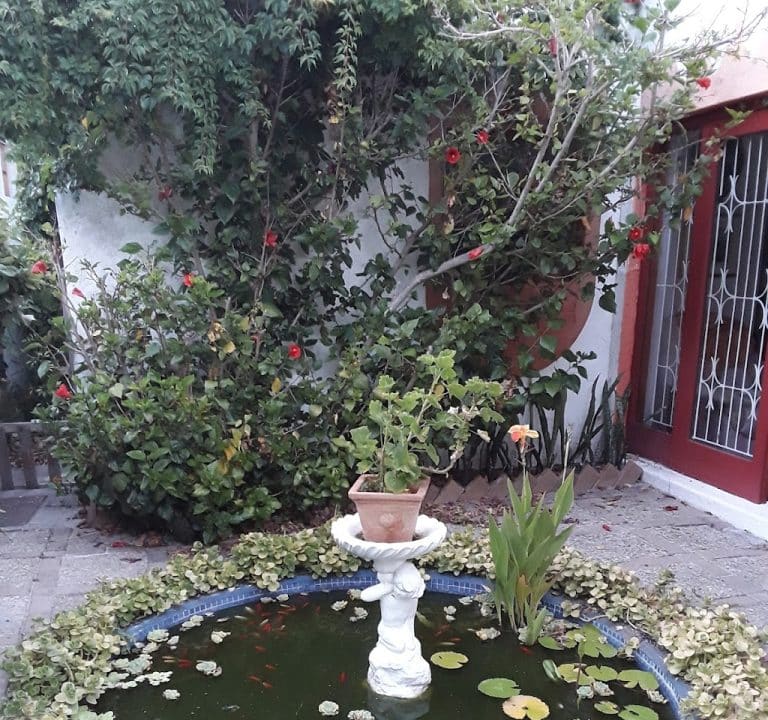
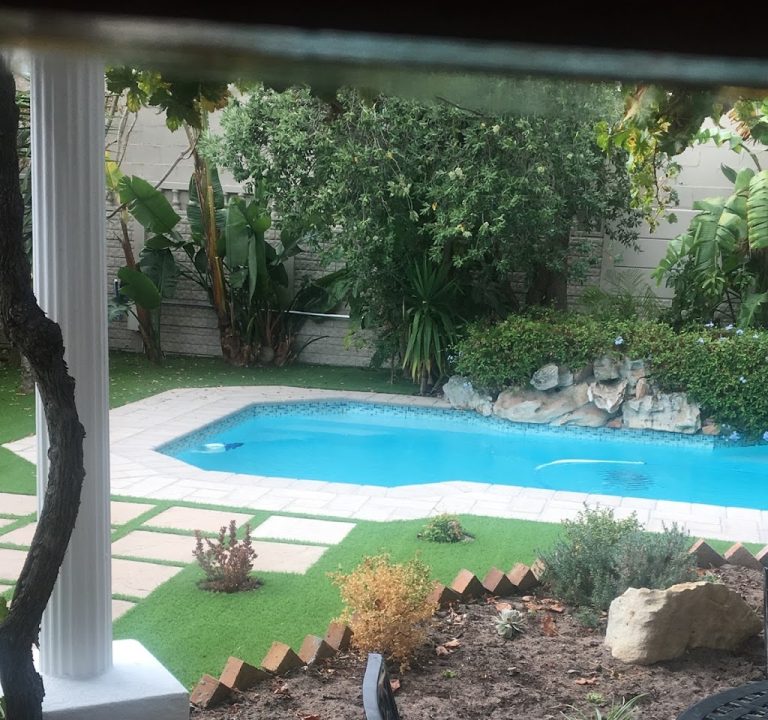
Typical amenities you might encounter include en-suite bathrooms, free Wi‑Fi, secure parking, daily housekeeping, and sometimes additional touches such as a pool, cosy lounges, or outdoor spaces. In larger hotels, you may find on-site restaurants, room service, fitness centres, and business facilities. Smaller properties often specialise in breakfast inclusion, cosy common areas, and guest-curated tips for exploring the city. Always check for accessibility features if needed, such as lifts, ramps, or ground-floor rooms.
Practical planning tips to help you enjoy a smooth stay:
- Plan transport in advance: Cape Town has a good public transport network, but for maximum flexibility especially if you plan to explore the winelands or coastal villages, a rental car or a trusted chauffeur service can save time.
- Book well ahead for peak seasons (summer months and school holidays) and for popular areas where demand can outstrip supply.
- Read recent guest reviews to gauge consistency of service, cleanliness, and how the property handles privacy and security.
- Ask about water and power contingencies; some areas may experience interruptions, and a property with a generator or backup power is beneficial during winter.
- Clarify check-in procedures, especially if you arrive late or from a flight. Some places offer flexible self-check-in and 24-hour reception.
Best times to visit Cape Town vary by your priorities. If you want warm beaches and outdoor activities, late spring to early autumn (October to April) offers longer days and pleasant temperatures, though December to February can be busier. For hiking, sight-seeing, and enjoying cooler mornings, autumn and winter bring crisper air and fewer crowds, with mild conditions for city exploring. Always check local event calendars, as festivals, markets, and cultural happenings can enrich your stay without heavily affecting room rates in shoulder seasons.
Short breaks can be framed around a few anchor experiences. A climb up Table Mountain or a ride on the scenic cableway is a quintessential introduction to the city’s geography. Panoramic coastal drives along the Atlantic Seaboard reveal dramatic scenery, while Cape Town’s markets and cafés offer flavourful chances to sample local produce and Cape cuisine. The city’s dining scene spans everything from casual bistros to refined eateries, with many venues emphasising seasonal ingredients and wine-paired menus from nearby regions. It is wise to reserve tables during peak periods, and to seek recommendations from your accommodation host or local guides for off-the-beaten-track spots.
Practical tips for staying comfortable and well-informed include packing layers for changing weather, carrying a light jacket for cooler evenings, and keeping a small water bottle handy for day trips. If you plan to visit popular attractions, consider purchasing tickets in advance where possible and budgeting time for travel between districts, as traffic and parking can affect plans. Safety is important in any urban setting; use reputable transport options, keep valuables secure, and follow local guidance on safe areas and routes, especially after dark.
For ideas on planning and inspiration, you can check official Cape Town tourism resources and city guides, which offer practical information on areas to stay, itineraries, and links to accommodation providers. These sources can help you tailor a stay to fit your interests, whether you seek coastal relaxation, wine and nature experiences, or a vibrant city-centre break. To start, explore general visitor information and plan your stay with trusted regional guides and tourism pages.