Cape Town: where to stay, eat, and explore in the Western Cape
Strategically perched between the Atlantic Ocean and the iconic Table Mountain, Cape Town offers a wealth of accommodation styles to suit every traveller. From intimate bed & breakfasts set in leafy neighbourhoods to stylish guesthouses perched above the Atlantic seaboard, visitors can base themselves in a variety of areas and still be within easy reach of the city’s famed sights. When planning a stay, weigh factors such as scenery, access to transport, and proximity to the experiences you value most. For guests seeking personal touches and a homely atmosphere, family-run B&Bs and guesthouses are especially appealing. A fine example is 2 On Lismore, a coastal-inspired bed & breakfast that blends comfort with convenient access to key routes and attractions. Learn more about their offerings at their website: 2 On Lismore.
Areas to consider include the central city and the Atlantic Seaboard for easy sightseeing and nightlife access; the leafy southern suburbs such as Rondebosch or Claremont for a calmer, more residential feel with good public transport links; and the scenic Atlantic coast around Camps Bay or Sea Point for dramatic views and beach proximity. If you prefer a cultural immersion, neighbourhoods near the city bowl and V&A Waterfront offer a mix of boutique stays and guesthouses with easy access to museums, markets, and harbour-side eateries. For a more coastal retreat, guesthouses with sea views and terraces provide a serene backdrop after a day’s exploration.
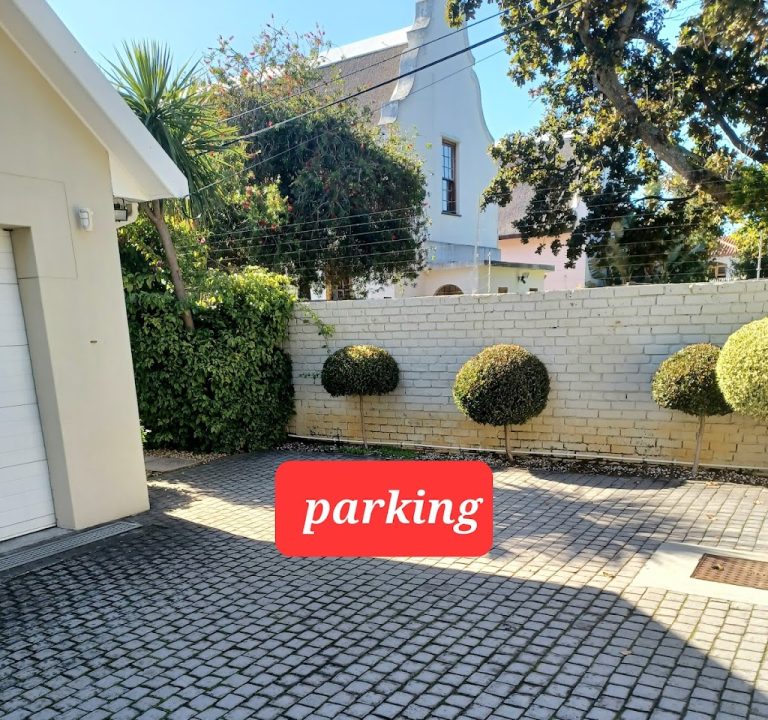
When choosing a property, consider typical amenities and what they mean for your plans. Common inclusions in well-regarded B&Bs and guesthouses are private or en-suite bathrooms, breakfast service (often a plated or self-serve option with fresh, local produce), free Wi-Fi, and guest lounges or verandas for relaxing after day trips. Some properties may offer additional touches such as off-street parking, secure access, and guided recommendations for day tours or restaurant reservations. If you’re travelling with family or a group, check room configurations, vehicle parking, and whether the accommodation can accommodate extra beds or cots. Accessibility is another factor to note, particularly for older travellers or guests with mobility considerations.
Practical planning tips help optimise your stay. Public transport in Cape Town includes a network of buses, trains, and ride-hailing options, but many travellers prefer to rely on a hire car for greater flexibility, especially when exploring the Cape Peninsula and winelands. If you anticipate long drives or scenic day trips, ensure your base is well connected to main routes and that parking is straightforward. For those opting for public transport, verify timetables and the frequency of services, and consider staying closer to central hubs to minimise transit time. In peak seasons, such as school holidays and long weekends, book accommodation well in advance to secure your preferred area and room type.
Best time to visit Cape Town depends on climate and activities. The city enjoys a temperate Mediterranean climate, with warm, dry summers and mild, wetter winters. Late spring (September to November) and autumn (March to May) are popular for shoulder-season travel, offering pleasant weather and fewer crowds. Summer (December to February) is vibrant with outdoor events and beaches, while winter (June to August) brings cooler days and occasional rain, which can be ideal for exploring museums and cafés without the crowds. If you plan to venture to the Cape Peninsula or the Cape Winelands, check local forecast updates and pack appropriate layers, sun protection, and a light rain cover for changeable conditions.
Food and dining form a memorable part of a Cape Town stay, with markets, bustling eateries, and refined restaurants catering to diverse tastes. In addition to the city’s renowned seafood and coastal-inspired fare, you’ll find global cuisines and traditional South African menus. When it comes to restaurants, let convenience and comfort guide choices—opt for venues within walking distance of your accommodation or those a short ride away, so you can enjoy a relaxed evening without the hassle of long transfers. For those staying in B&Bs and guesthouses, hosts often provide invaluable recommendations for beloved local spots, as well as tips on arranging tastings, markets, or sunset viewpoints.
Activities and experiences beyond meals include iconic natural sites and cultural venues. The natural landscape invites both gentle strolls and scenic viewpoints, from harbour-side walks to short hikes with panoramic rewards. Visitors frequently explore the waterfronts, seaside promenades, and city parks, complemented by days trip options to the Cape Peninsula, the Constantia or Stellenbosch winelands, and the Cape Floral Region. Museums, galleries, and markets offer insights into Cape Town’s history and contemporary arts scene, while tours and hidden-gem eateries provide a flavourful sense of discovery. For families and travellers seeking convenience, booking in advance for popular tours can help secure preferred times and avoid disappointments, especially during peak periods.
In shaping your itinerary, balance must-see attractions with moments of rest and relaxation at your accommodation. An ideal plan weaves in a couple of longer days exploring scenic drives or museum-filled mornings, followed by lighter afternoons of beach time or a stroll through a neighbourhood market. If you prefer a personalised approach, consider accommodations that offer bespoke guest services or local-led recommendations, which can enhance your experience by revealing lesser-known viewpoints, neighbourhood cafés, and up-to-date dining options. Cape Town rewards curious travellers with layers of scenery, culture, and cuisine, all within reach of a well-chosen base.
- Book early for peak seasons to secure rooms with the best views or in preferred neighbourhoods.
- Assess transport options from your accommodation to key sights; shorter transfers mean more time for exploration.
- Check for self-catering options or breakfast service to suit your pace and budget.
- Ask hosts for tailored activity suggestions, including markets, viewpoints, and scenic drives.
- Pack for variable weather and sun exposure; layer clothing is practical for day trips and cooler evenings.