Cape Town: Accommodation and Experiences for a Well‑Planned Stay
Cape Town offers a diverse mix of places to stay, from intimate guest houses and boutique BnBs to stylish lodges and coastal boutique hotels. When planning a visit to Western Cape, it helps to think about your preferred neighbourhoods, what you want to get out of your trip, and how you like to travel. A well-chosen base can make day trips easier, meals more enjoyable, and evenings more relaxed after a day of exploring the city and its surroundings.
Areas to consider include the central “City Bowl” for proximity to museums, theatres and urban eateries; the Atlantic Seaboard for dramatic scenery, beaches and sunset views; Green Point and the V&A Waterfront for harbourside strolls and easy access to hop‑on, hop‑off tours; and the southern suburbs such as Constantia or Muizenberg for quieter streets, gardens and a slower pace. If you plan to venture to the Cape Winelands, a country house or guesthouse in Constantia or nearby Stellenbosch can balance city time with rural character. For families or groups, self‑contained units in larger guest houses or boutique hotels can offer privacy with shared facilities, while still benefitting from local knowledge from hosts or staff.
When you book, look for a few practical details that matter in Cape Town’s climate and travel rhythms. A memorable stay often hinges on a few reliable basics: comfortable beds, a generous breakfast and good Wi‑Fi, clear information about transport links, and reasonable parking if you’re hiring a car. Many guest houses and boutique hotels in Cape Town pride themselves on personal touches—hosts who can suggest safe routes for walks, tips for markets and day trips, and thoughtful extras such as shaded outdoor spaces or a sunny pool to cool off after a hike up Table Mountain or a long beach day.
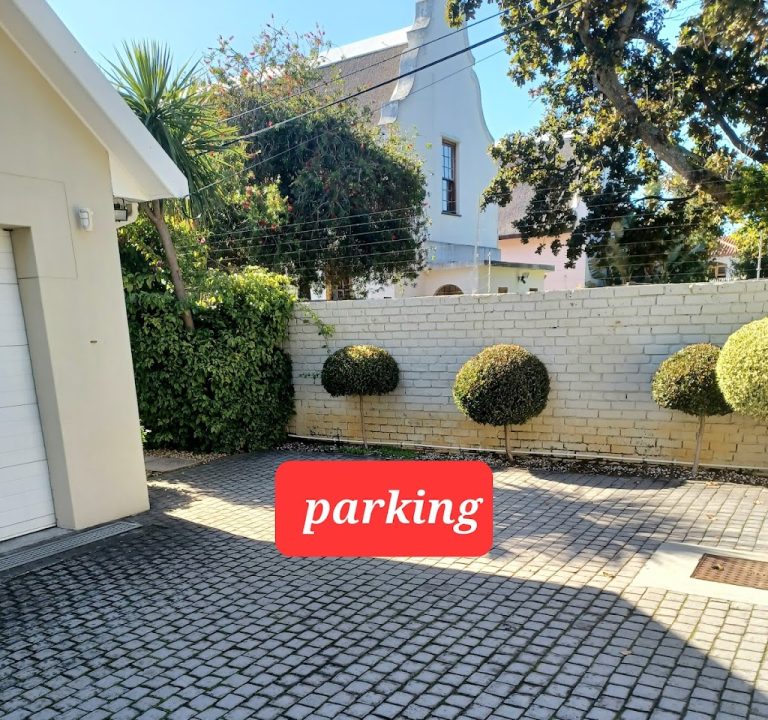
Typical amenities you might encounter include off‑street parking or secure street parking, private or shared lounges, well‑equipped kitchens or kitchenettes, swimming pools, and in-room amenities such as coffee facilities, heating or air conditioning, and laundry services. A few property types may offer spa services, outdoor terraces with city or ocean views, or access to landscaped gardens. If you value self‑catering, check whether the room comes with a kitchenette or a private entrance, and confirm whether hot breakfast is included or available on request. For longer stays, notice of weekly housekeeping or laundry options can be particularly convenient.
Transport in Cape Town is generally straightforward but can vary by area. The city has MyCiTi bus routes that connect major hubs, while Uber and other ride‑hailing services are widely used for short trips to the waterfront, beaches, or restaurant districts. If you plan to explore the Cape Peninsula or winelands, a car or a day‑tour arrangement with the accommodation can be helpful. Some guest houses and boutique hotels offer airport transfers or guided day trips as part of a package, which can simplify logistics if you’re new to the region.
The best time to visit Cape Town depends on what you want from your trip. The shoulder seasons of spring (September to November) and autumn (March to May) are often pleasant, with fewer crowds and comfortable temperatures. Summer (December to February) brings longer days and a lively atmosphere around beaches and markets, while autumn and winter can be cooler and more suited to wine country visits or museum hopping. If you plan outdoor activities such as hiking, coastal walks or visiting the Table Mountain National Park, aim for early mornings or late afternoons to beat the strongest sun and the busiest times.
Practical tips for a smooth stay in Cape Town:
- Pack layered clothing to adapt to changing coastal winds and microclimates around the city bowl and Table Mountain.
- Bring comfortable walking shoes for urban strolls and hillside trails alike.
- Respect water restrictions and energy saving practices if you visit during drier periods.
- Book accommodation with reliable security and a helpful front desk or host who can offer area guidance and safe route suggestions.
- Consider near‑water accommodation if you want quick access to sunset walks along the promenade or waterfront dining options, but also weigh the quieter mood of the inland or hillside districts for restful evenings.
When it comes to sights and experiences, Cape Town offers a broad calendar of options without needing to over‑promise. You can expect to encounter world‑famous viewpoints, historic neighbourhoods, museums detailing the city’s rich and complex past, and markets offering crafts and regional foods. In terms of dining, Cape Town’s restaurant scene covers everything from casual cafés with light meals to refined venues that showcase South African produce and flavours. For day trips, you might arrange a scenic drive to the Cape Point area, a visit to Kirstenbosch National Botanical Garden, or a guided exploration of the nearby wine lands, all typically accessible from most well‑located guest houses and boutique stays.
Place‑specific stay options like Squirrel’s Rest—a guest house known for its character and guest‑friendly approach—illustrate the value of accommodation that feels rooted in the city while offering a quiet home base. Whether you choose a contemporary room with modern conveniences or a more traditional guesthouse suite with garden access, the key is a welcoming host, a comfortable space, and easy access to both the city’s energy and the tranquil corners that make a Cape Town visit memorable.