Cape Town: Accommodation, planning and trusted experiences for a memorable stay
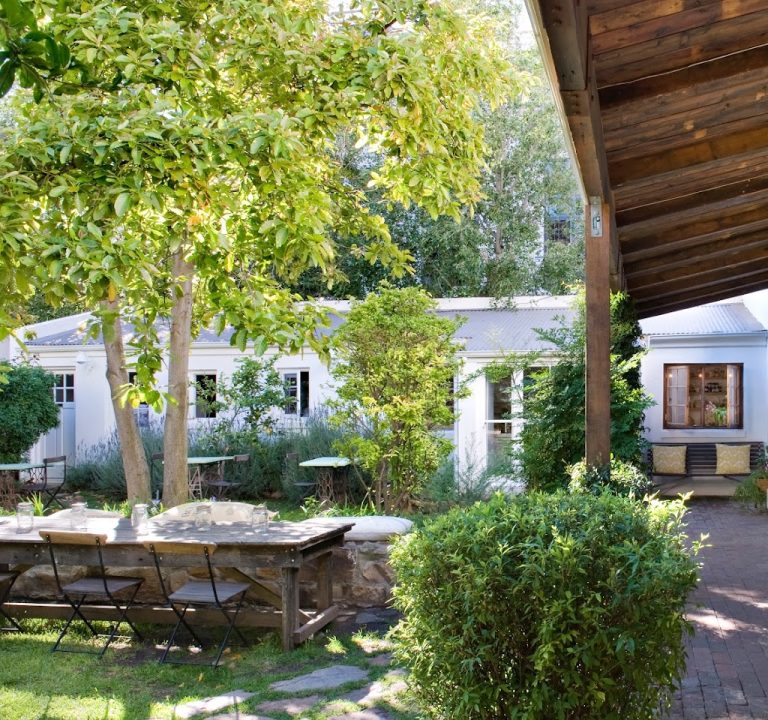
Cape Town is a city of contrasts, where dramatic coastline meets world‑class dining, culture and nature. When planning a stay, most travellers weigh location, comfort and transport ease as the key decisions. The city is dotted with guest houses, boutique hotels, self‑catering apartments and larger hotels, each with their own character. For a flavour of authentic hospitality, consider a guest house such as Villa Cape Adventures, which places guests in a residential neighbourhood with easy access to major sights. Villa Cape Adventures offers a good illustration of how a stay can be welcoming and convenient without being formal.
Areas to consider when booking:
- City Bowl and the Central Business District offer walkable culture, markets and easy access to top sights. They are ideal if you want close proximity to museums, theatres and a lively dining scene.
- Atlantic Seaboard towns such as Camps Bay and Clifton are known for beaches, scenery and stylish stays, though travel to the city centre will take longer by road or via scenic routes.
- The V&A Waterfront combines modern lodgings with harbour views, shopping and entertainment, while quieter neighbourhoods inland provide a more residential feel and potentially better value.
- Constantia and the Constantia Valley are perfect for wine lovers and travellers seeking a serene, leafy setting with easy access to Stellenbosch or the southern coast.
What to look for when booking:
- Transport links: Check if the property offers parking and the proximity to MyCiTi bus stops or taxi services. A central location is convenient, but a beachfront or leafy suburb can offer better value and a calmer start to the day.
- Room configuration and amenities: En‑suite bathrooms, reliable Wi‑Fi, air conditioning or heating, a kitchenette or access to shared kitchens, and laundry facilities can make a big difference on longer stays.
- Safety and access: Look for properties with secure entry, good lighting, and clear information on neighbourhood safety and nearby services such as supermarkets and pharmacies.
- Hosts and inclusions: A warm welcome, local tips, a continental breakfast or a shuttle service can transform a stay. Read guest reviews to gauge consistency and helpfulness.
Typical amenities you might encounter:
- Complimentary Wi‑Fi, tea and coffee facilities, and daily housekeeping in most boutique stays.
- Self‑catering options or shared kitchen spaces in guest houses and apartment‑style accommodations.
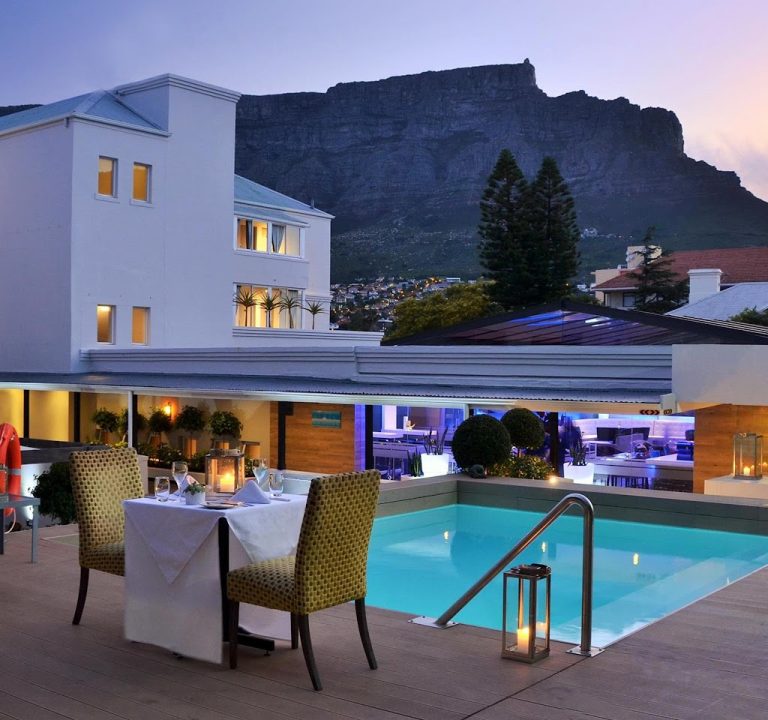
- Private balconies or terraces with sea or mountain views in coastal areas.
- On‑site parking or convenient paid parking nearby, and access to communal lounges or gardens.
- Tour desks or concierge services to help organise day trips and dining reservations.
Transport and getting around:
Cape Town is best explored with a mix of walking, scenic drives and reliable transport. If you plan to visit the iconic Table Mountain, take the cable car when the weather is clear, and be prepared for queues during peak times. The coastal route offers stunning views, but traffic can be heavy in the suburbs during rush hours. For day trips to the Cape Peninsula or Cape Point, consider a booked tour or a rented vehicle with clear parking arrangements at your accommodation. Local guidance is valuable for navigating hills, wind and seasonal weather changes.
Best time to visit and practical planning tips:
- Spring (September to November) and autumn (March to May) are pleasant, with mild temperatures and fewer crowds than peak summer. This period is ideal for sightseeing and outdoor activities without the peak-season bustle.
- Summer (December to February) brings warm days and active beaches, but also higher prices and busier attractions—book well in advance for popular experiences and dining slots.
- Water and sea conditions can vary; always check local advisories for currents and safety when planning beach or coastal activities.
- Sun protection is essential year‑round; the Cape winds can be strong, so pack a light layer for evenings and a hat for daytime excursions.
- Plan a mix of nature, culture and cuisine to balance travel days with restful ones. Include flexible mornings to enjoy early light and calmer streets, followed by afternoon exploration or a relaxed meal.
Attractions and experiences in general terms:
Cape Town offers dramatic natural scenery, historic sites and contemporary culture. Must‑see natural highlights include iconic viewpoints, promenades along the coast, and accessible trails that suit most fitness levels. Cultural experiences range from museums and galleries to markets and live performances in historic districts. For food lovers, the city’s dining scene spans casual eateries to refined venues that showcase local produce and seafood, Mediterranean influences and global flavours. When booking experiences, consider shops, markets and food tours that support local communities and provide authentic encounters without being overly crowded.
Practical tips to enrich your stay:
- Book accommodation with clear cancellation policies and flexible dates where possible, especially if you are planning multiple day trips.
- Research nearby dining options in advance, but also be open to small, family‑run places that showcase seasonal produce.
- Keep a small safety plan in place: share itineraries with someone, carry a map offline, and use reputable transport options after dark.
- Respect the environment and local customs; many areas are quiet by design and benefit from considerate behaviour and minimal noise after evening hours.
In summary, Cape Town rewards well‑planned stays in varied settings, whether you choose a central, activity‑packed week or a tranquil few days in a scenic suburb. A well‑located guest house or boutique hotel can provide a comfortable base from which to explore Table Mountain, the peninsula, pristine beaches and a vibrant culinary scene, with convenient access to transport, day trips and personalised recommendations.