Cape Town: Accommodation, attractions and practical planning for a memorable stay
Cape Town blends dramatic landscapes with a thriving hospitality scene, offering a range of guest houses, boutique hotels and lodges that suit every traveller. When planning a stay, it helps to start with a sense of what you want to prioritise—easy links to the city’s sights, a serene coastal setting, or a base close to great dining and nightlife. By choosing the right neighbourhood and knowing what to look for in a booking, you can make the most of your time in the Western Cape’s most iconic destination.
Popular areas to consider include the Atlantic Seaboard, where the coast views are stunning and many properties provide sun-drenched rooms or suites with sea access. The City Bowl and the Green Point area are convenient for visitors who want quick access to museums, markets and the harbour precinct, while Constantia offers tranquil greenery, enclosed gardens and wine-tasting close to the Constantia Valley’s renowned estates. For a more laid-back, residential feel with easy access to nature, Camps Bay and the surrounding Atlantic coast villages are excellent choices. If you prefer a historic or intimate setting, particular guest houses within the City Centre or historic neighbourhoods can offer a personalised stay with easy walking access to cafés and galleries.
When looking to book, focus on a few practical factors. Bed and bathroom standards should be clear, along with whether en-suite facilities are available. Check for reliable Wi‑Fi, air conditioning or heating, and bundled amenities such as complimentary tea and coffee provisions, a stocked mini-bar, or the option of a continental breakfast. Parking availability can be essential in busy districts, and for many travellers, a property with easy access to public transport or a dedicated shuttle service adds real convenience. If you are visiting during peak seasons, confirm cancellation policies and check whether room allocations are flexible in case of changes to your plans.
Transport in Cape Town is straightforward but varies by neighbourhood. The MyCiTi bus service is a convenient way to reach the V&A Waterfront, the city centre and certain beaches, while Uber and other ride-hailing apps operate widely. If you plan day trips to the Cape Peninsula, a car can offer flexibility, but many guest houses offer airport transfers or on-site parking. Proximity to rail links or reliable taxi options can save time and reduce the hassle of navigating steep hills or busy streets, particularly if you are staying near the city centre or the historic districts.
The best time to visit Cape Town generally runs from late spring to early autumn, when the weather is mild and outdoor activities are most enjoyable. November to February brings longer days and a vibrant outdoor life, but you may also encounter higher demand. Shoulder seasons such as March and April or September and October often offer pleasant conditions, quieter streets and more accessible rates. Consider local events calendars when planning your stay, as popular markets, harbour excursions and mountain trails can fill up quickly at peak times.
Accommodations in Cape Town span guest houses, boutique hotels and lodges that emphasise personalised service and regional character. In a guest house, you might enjoy cosy common spaces, a homely breakfast spread and the chance to connect with hosts who can offer insider tips on hidden viewpoints, local eateries and day trips. A well-situated boutique hotel can provide contemporary comfort, thoughtful design and proximity to nightlife, museums and galleries, while a lodge-style option may bring a touch of rustic charm and sweeping natural scenery closer to nature trails and coastal paths.
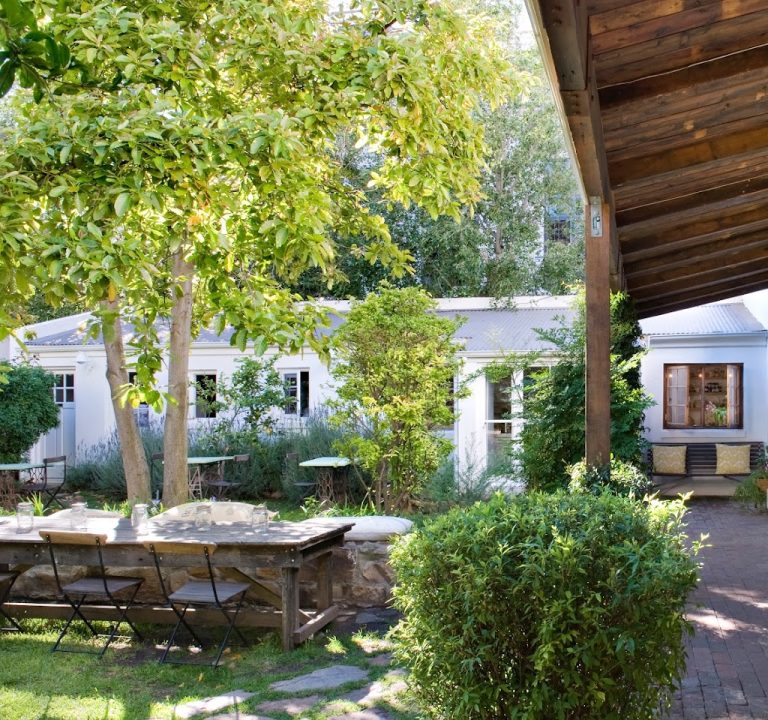
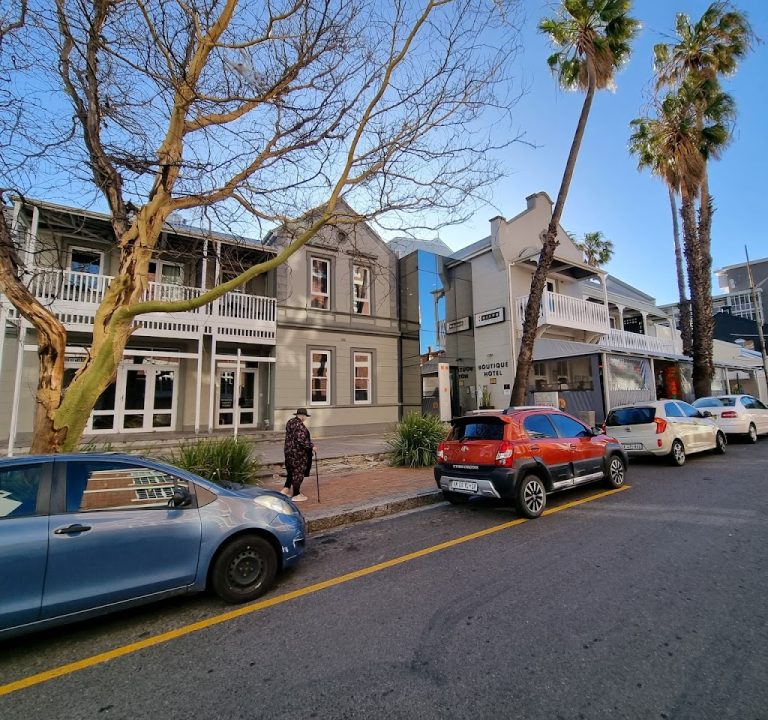
To help you envision a well-rounded stay, consider a representative example such as La Grenadine Petit Hotel, a guest house with a distinctive character and a central location. If you are curious about this or similar properties, you can explore their official site for a sense of room categories, breakfast arrangements, and neighbourhood contexts.
When planning your itinerary, you will want to balance iconic sights with quieter experiences. General highlights include landscapes from Table Mountain and the Cape coast, easy access to world-class beaches, and verdant botanical surroundings. In addition, Cape Town offers a broad spectrum of dining options—from relaxed cafés to refined restaurants that showcase South Africa’s diverse culinary traditions. You may find opportunities to explore markets, craft studios and wine routes nearby, depending on your plans and the area you choose to stay in. For those looking beyond the city, day trips to the Cape Peninsula, the Cape Winelands and nearby nature reserves can complement a stay with cultural and natural highlights.
Practical tips to keep your trip smooth:
- Read recent guest reviews to gauge consistency in service and housekeeping standards.
- Ask hosts about parking arrangements, local transit routes and recommended day trips.
- Pack adaptors for South Africa and a light layer for coastal winds or shaded sea breezes.
- Plan restaurant reservations, particularly for popular dining venues or weekend evenings.
- Consider a mix of hotel-like comforts and guest house hospitality to balance convenience with local flavour.
For more information on accommodation options and to explore a specific example, visit the official site of La Grenadine Petit Hotel: La Grenadine Petit Hotel.