Polokwane: a welcoming base for Limpopo adventures
Polokwane, the provincial capital of Limpopo, combines a relaxed urban ambience with easy access to some of South Africa’s most scenic landscapes. A stay here works well for travellers who want comfortable lodging, straightforward transport links, and the flexibility to explore nature, culture and markets without long drives. When planning a visit, think of Polokwane as a hub from which you can connect to the surrounding countryside, nature reserves and regional attractions while still enjoying modern amenities close to hand.
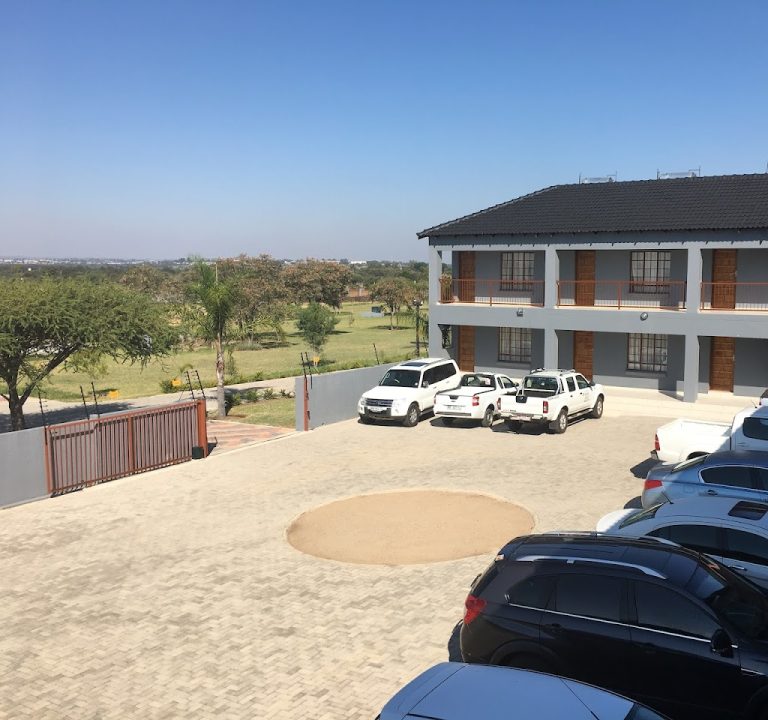
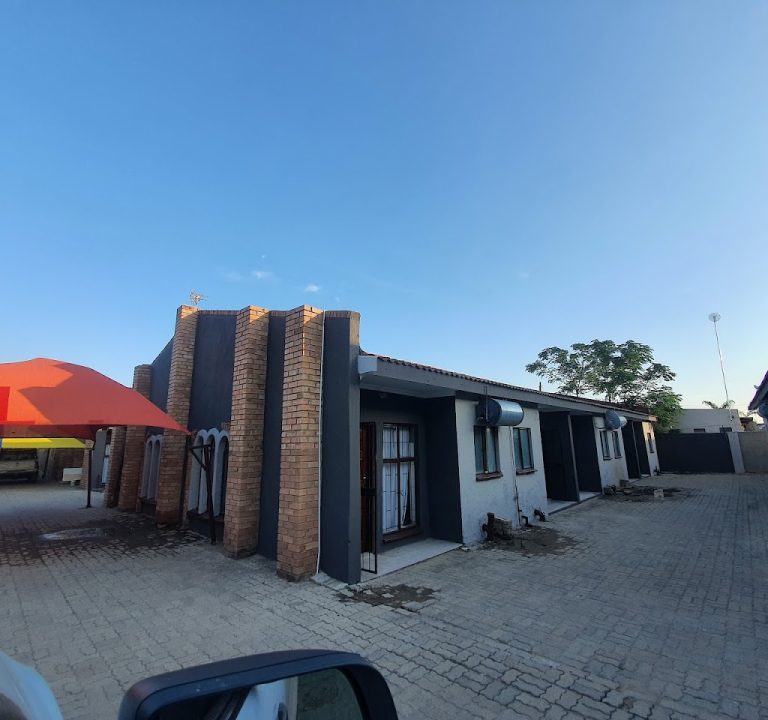
Accommodation in Polokwane ranges from contemporary lodges and guesthouses to well-appointed hotels and self‑catering options. A lodge such as VIDO LODGE AND CONFERENCE CENTRE offers a blend of relaxed comfort and practical facilities for business travellers or groups seeking a peaceful base. Guesthouses in residential neighbourhoods can provide personal service, while lodges on the outskirts often provide more spacious grounds and a closer feel to the natural surroundings. When choosing where to stay, consider the pace you want for your trip, proximity to the centre of town, and access to major routes toward the Lowveld, wildlife reserves, or green‑belt countryside.
Where to stay in Polokwane usually boils down to a few core areas. The central business district is convenient for dining, markets and the city’s shops, while suburban pockets offer quieter streets and easier parking. If you’re planning day trips to wildlife reserves or scenic drives, a location on the outskirts or along the main highway corridors can cut travel time. It’s worth checking whether your chosen accommodation provides on‑site parking, 24‑hour reception, and a thoughtful breakfast option, as these small details can make a difference to a stress-free stay.
Typical amenities to look for include reliable wi‑fi, secure parking, air conditioning or ceiling fans (Polokwane’s climate can be warm in the summer), en suite bathrooms, and a fridge or kitchenette if you expect to self‑cater. A swimming pool, a shaded outdoor area, and a well‑appointed lounge can add to comfort after a day of sightseeing. For business travellers or groups, conference facilities, meeting rooms and easy access to event spaces can be a deciding factor. Read guest reviews for honesty about noise levels, cleanliness, and the responsiveness of the staff, which often give a clearer picture than photos alone.
Transport in Polokwane is straightforward. The city is reachable by road from Gauteng and other Limpopo towns, and Polokwane International Airport offers domestic connections if you are flying in from neighbouring provinces. Within the city, a mix of taxis, rideshare services, and rental cars provides flexibility to reach dining spots, markets and nearby attractions. If you plan to self‑drive to reserves or to scenic viewpoints beyond the city, a reliable vehicle is strongly advised, as some routes may be rural or unpaved in parts of the outskirts and surrounding countryside.
The best time to visit Polokwane shifts with the seasons. The dry winter months (roughly May to September) tend to be pleasant for outdoor activities, with cooler evenings and less humidity. Summer brings quicker seasonal changes and afternoon thunderstorms, which can be dramatic but may disrupt longer outdoor plans. If you enjoy markets and street food culture, weekends and public holidays are lively—these occasions can be a good way to sample regional flavours and crafts. Always check the local forecast and plan for sun protection and hydration, especially if you intend long daytime outings.
When outlining a stay, plan a mix of restful days at your accommodation with a handful of short excursions. In Polokwane you can expect access to modern eateries, casual cafés and traditional South African fare in town, with many places offering safe parking and friendly service. For meals, look for places with a straightforward menu, good-value options, and a focus on fresh ingredients. If you enjoy exploring local markets or street food scenes, allocate time for strolls to discover regional snacks and handmade crafts—these experiences frequently provide a sense of the place that helps frame your trip.
Practical tips to help you book and enjoy your stay:
- Read recent guest reviews to gauge cleanliness, service quality and noise levels at different lodging options.
- Ask about powered backup options or generators if your stay includes important meetings or events during periods of load shedding.
- Confirm parking arrangements if you are driving; easy access to your room and security of your vehicle can make a big difference.
- Check the proximity of your accommodation to the sights you most want to visit, balancing walking time with travel time by car or taxi.
- Consider a mix of indoor and outdoor activities to suit both cooler evenings and warmer daytime temperatures.
In addition to accommodation, Polokwane serves as a gateway to the wider Limpopo region. Visitors often use it as a starting point for nature and wildlife experiences, cultural insights, and heritage-informed crafts. For travellers who want a balanced itinerary, combine a few days in town with scenic drives to nearby reserves, viewpoints and parks, and leave a couple of evenings for relaxed dining and casual exploration of local shops and galleries. Resources and official tourism information can help tailor your stay to the season and your interests, guiding you to time‑efficient routes and authentic experiences.
Whether you are visiting for business, a family break, or a longer explorer’s itinerary, Polokwane offers a practical, welcoming base with comfortable accommodation options and straightforward access to Limpopo’s varied landscapes. For more ideas and practical planning, you can visit regional tourism resources and local hospitality partners to plan a stay that fits your pace and preferences.