Polokwane: A Practical Guide to Accommodation, Attractions and Local flavour
Polokwane, the capital of Limpopo, offers a welcoming mix of modern comforts and Southern African charm, set amid striking natural landscapes. When planning a stay, consider the city’s varied neighbourhoods, each with its own character and proximity to attractions, shopping, and dining. The city centre provides easy access to business facilities and nightlife, while areas such as newer residential districts offer quieter streets, greener spaces and a short drive to surrounding game reserves or nature reserves. Budget travellers, families and couples alike can find suitable options ranging from purpose-built hotels to boutique guesthouses and furnished apartments.
Booking considerations are best weighed against what matters most for your trip. Location relative to your planned activities, accessibility to major roads, and proximity to public transport can save time and reduce stress. For many visitors, a stay near the city centre or a well-connected suburb is ideal, combining convenience with a relaxed atmosphere. If you plan day trips to nearby wildlife reserves or scenic landscapes, ask about parking facilities, vehicle access, and early breakfast options. Where possible, read recent guest reviews to gauge cleanliness, service quality and consistency of facilities such as on-site dining, Wi‑Fi reliability, and room soundproofing.
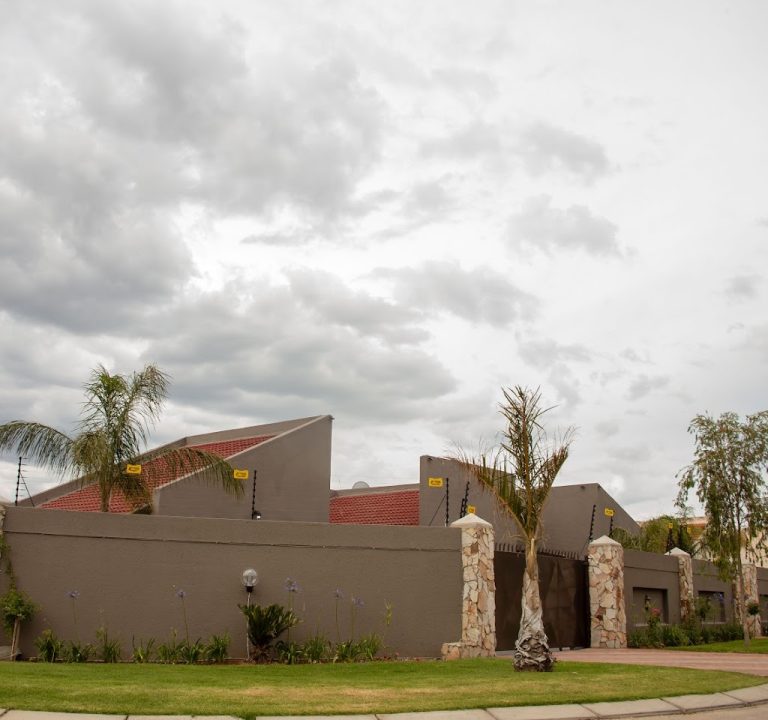
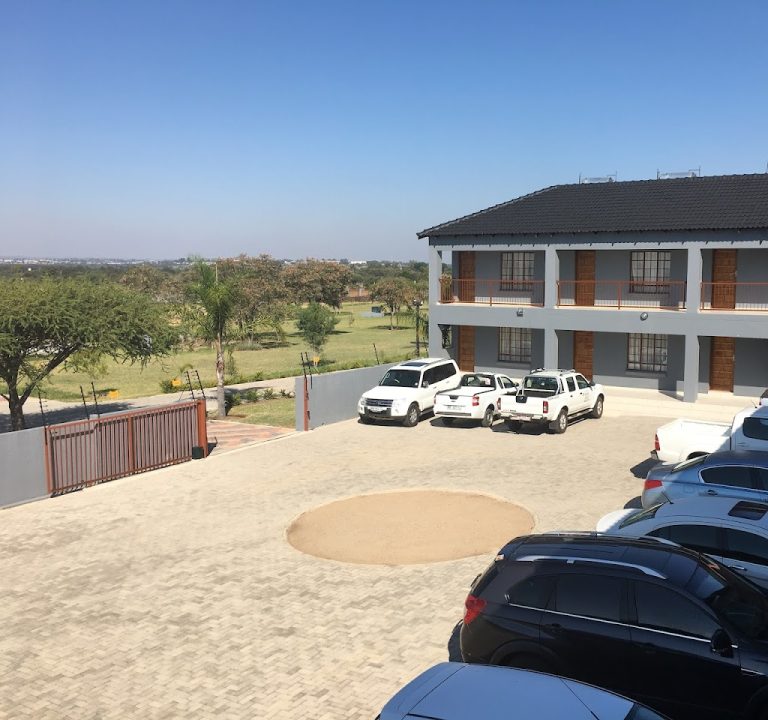
Typical accommodations in Polokwane range from polished hotels and business-focused properties to guesthouses with a more intimate feel, and self-catering apartments that offer flexibility for families or longer stays. Expect comfortable beds, private bathrooms, and in-room conveniences like air conditioning, tea-and-coffee stations, and reliable Wi‑Fi. Dining options may be on-site or nearby, with breakfast typically available, and some properties offering all-day or room-service menus. If you’re travelling with children or pets, verify policies in advance and check for play areas, kid-friendly menu options, and security features such as 24-hour reception or gated parking.
Transport in Polokwane is straightforward but a little different from larger metropolises. A hire car provides the most freedom to explore at your own pace, including nearby wildlife reserves and easy access to regional air links via the city’s airport. If you intend to use public transport or rideshares, confirm routes and ride availability for your intended times, particularly if you plan to visit after dark. For walkers and cyclists, some areas have pleasant streetscapes and parks, but traffic can be busy in peak hours. If you plan day trips to natural or cultural sites, you may wish to organise a guided tour or rely on a reputable licensed operator for safety and transport reliability.
Best time to visit Polokwane can depend on what you want to see. The region experiences warm summers with afternoon thunderstorms and cooler, drier winters. If you’re seeking outdoor adventures or game-viewing in nearby reserves, consider the cooler months when wildlife is often more active and the weather more comfortable for long days outdoors. If you enjoy city events, check local calendars for markets and cultural performances, which can add a lively flavour to your stay. Pack accordingly for sun exposure, seasonal rains, and varying evening temperatures, and always have layers for the cooler outdoor hours.
Practical tips to help you plan a smooth stay in Polokwane:
- Rating and reviews: balance star rating with recent guest feedback on cleanliness, staff friendliness and reliability of amenities.
- Facilities to prioritise: confirm air conditioning for hot months, reliable Wi‑Fi for work or streaming, secure parking, and reliable housekeeping schedules.
- Meal options: check whether breakfast is included and whether there are on-site dining options that suit your dietary needs.
- Neighbourhood feel: choose a base that aligns with your style—central urban convenience, or a quieter suburb with easy access to nature and light traffic.
- Access and transport: verify parking arrangements or airport transfer options if you’re arriving by plane; assess the availability of local taxis or rideshare services for evening outings.
- Safety and comfort: consider properties with 24-hour reception or secured access, and look for well-lit streets and reputable serving staff in communal spaces.
When it comes to exploring Polokwane’s attractions and the wider Limpopo region, a balanced itinerary can include cultural centres that showcase local heritage, markets where you can taste fresh produce and crafts, and nature experiences that place a premium on effortless observation and family-friendly walks. After a day of sightseeing, many visitors enjoy relaxed dining that highlights regional flavours—grilled dishes, fresh farm produce, and light South African dishes that are widely available in and around Polokwane. While specific venues and menus evolve, you can expect a range of casual eateries, bistros, and more formal dining rooms that welcome visitors.
For a well-rounded stay, plan to spend at least two to three nights if you wish to sample several neighbourhoods, markets, and day trips without rushing. If your schedule is brief, prioritise accommodation with easy access to your must-see sites or with direct routes to the surrounding natural areas. By choosing a well-situated base and pairing it with flexible transport arrangements, you’ll be able to experience Polokwane’s hospitality, climate and landscape at a comfortable pace.