Polokwane: Accommodation, attractions and practical planning for a Limpopo stay
Polokwane, the capital of Limpopo, offers a friendly base from which to explore the northern South African countryside. Whether you are seeking a cosy guest house, a polished hotel, or a rural lodge with easy access to nature, the city combines urban amenities with convenient routes to wildlife reserves, cultural centres, and surrounding towns. When planning a stay, consider your priorities—ease of access, pace of your visit, budget, and the kind of ambience you favour in a base for day trips.
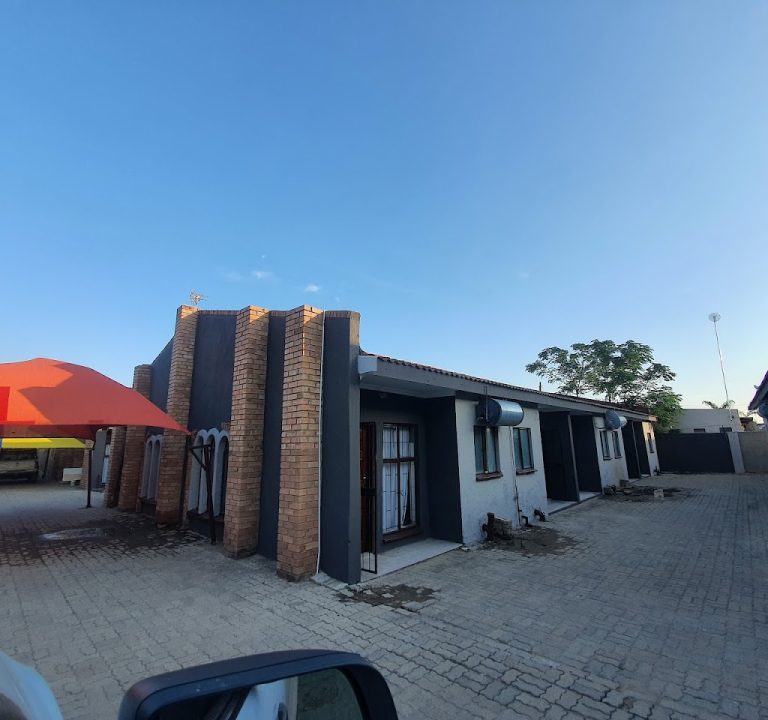
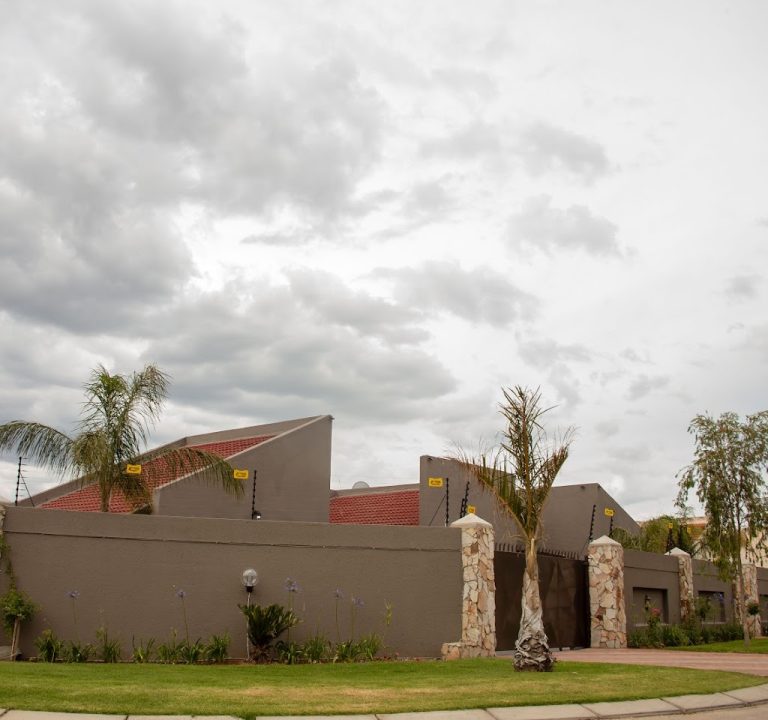
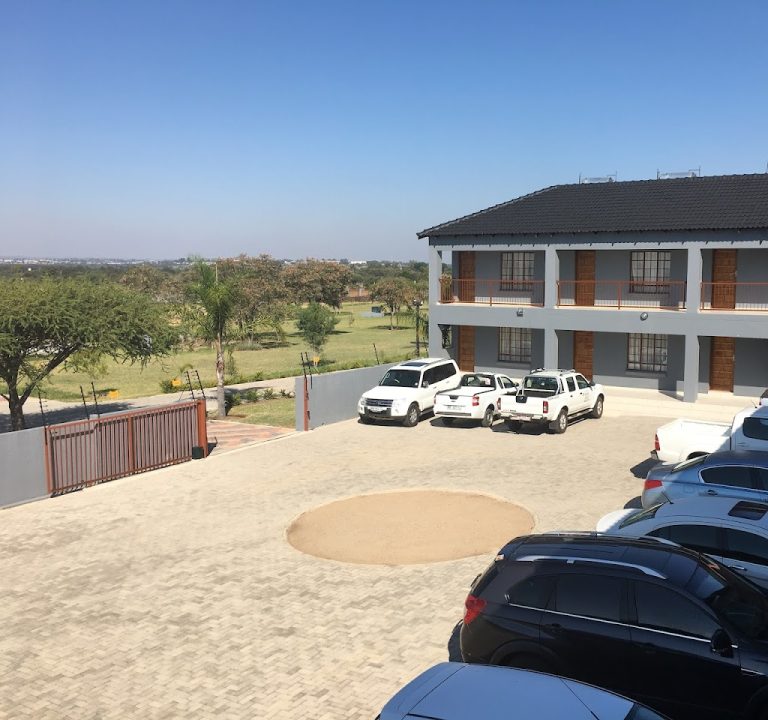
Accommodation in Polokwane ranges from intimate guest houses to mid-range hotels and boutique lodges. Guest houses tend to emphasise personalised service and home-like comfort, often with breakfast included and spaces that feel more intimate than larger hotels. Hotels in the town centre provide straightforward access to shops, restaurants and the university, while lodges on the outskirts frequently offer larger rooms, pleasant gardens and opportunities to glimpse wildlife or enjoy quiet, expansive landscapes. It is common for properties to offer features such as free parking, reliable Wi‑Fi, and shaded outdoor seating areas—benefits that can make a stay more comfortable for families, couples, or solo travellers.
When selecting a place to stay, look for several practical details. Proximity to major routes and to the central business area can save time on day trips. In rooms, note whether there is air conditioning or ceiling fans for warm Limpopo nights, adequate storage for clothing, and a well-equipped en-suite bathroom. A comfortable bed, a reliable shower, and clean, well-maintained public spaces are essential. If you plan to cook some meals, check for a well-equipped kitchenette or access to a communal kitchen. For families, ask about child-friendly facilities, quiet rooms, and secure parking. If you are travelling on business, you may value a desk, adequate lighting, and easy-to-reach power outlets. Booking platforms often allow you to filter by these features, making it easier to match your needs before arrival.
Typical amenities you may encounter include en-suite bathrooms, access to swimming pools or outdoor terraces, and on-site dining options or continental breakfast. Some properties may offer additional perks such as laundry services, daily housekeeping, or guided excursions. Accessibility is another consideration; confirm whether the establishment has steps or lifts if needed, and whether parking is convenient and well-lit. For longer stays, a property with a friendly, knowledgeable host can provide personalised tips on local markets, eateries and lesser-known spots worth visiting.
Transport in and around Polokwane is best planned with a car, which makes it easier to venture to nearby safari or nature areas, including national reserves and game reserves known for birdlife, rolling plains and occasional spotted antelope. Within the city, taxis and ride-hailing services are commonly available, and some guest houses may offer airport or railway transfers or organise day trips. If you are visiting without a car, verify the proximity of your chosen accommodation to the town centre and to public transport routes, and check with the host about shuttle options or easy access to taxis.
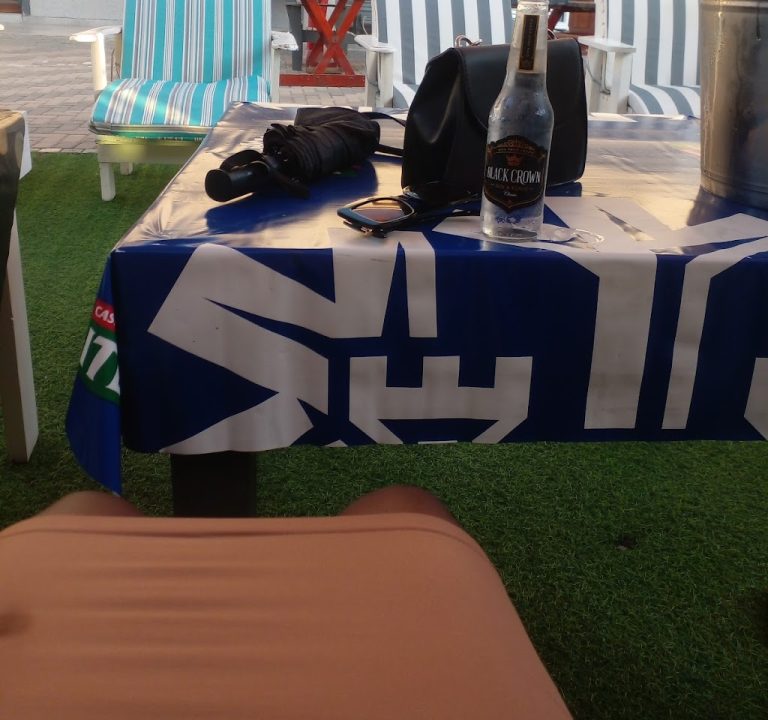
The best time to visit Polokwane depends on what you want from your trip. The region experiences summer heat and winter dryness, with the drier months often offering clearer days for outdoor exploration. For wildlife-focused itineraries, early mornings and late afternoons are ideal for gentle game viewing if you plan to include nearby reserves. If you prefer milder temperatures, the shoulder seasons can be pleasant for strolling the city streets, visiting markets and enjoying al fresco dining. Be mindful of occasional rain during the summer months and plan accordingly with light rain jackets or umbrellas.
Dining and attractions in Polokwane run from casual eateries to more refined dining rooms, many offering flavours rooted in Limpopo’s culinary traditions. Visitors should expect an array of South African favourites, café fare, and options that cater to families, groups and solo travellers alike. Beyond meals, pleasing diversions include markets and cultural centres that offer insight into local arts, crafts and history. For a relaxed day, you might combine a stroll through central streets with a visit to a gallery or craft shop, followed by a casual meal at a local bistro or restaurant. Nature lovers can plan a day trip to nearby reserves or parkland where easy trails and viewpoints make for a rewarding excursion without long travel times from the city centre.
- Plan in advance: book accommodation that matches your preferred ambience and verify essential features such as parking, Wi‑Fi, and proximity to your planned activities.
- Pack for heat and sudden showers: lightweight clothing for daytime and a light layer for cooler evenings; a compact umbrella can be handy.
- Budget for transport: a car often provides the most flexibility for day trips, with taxis or rideshares available in town if needed.
- Time your visits: aim for early morning or late afternoon for outdoor activities and plan indoor or culinary experiences during peak heat hours.
- Respect local norms and conservation: when exploring reserves or nature areas, carry water, stay on marked paths and follow guidance from hosts or guides.
If you are considering Polokwane as a base for your Limpopo itinerary, a well-chosen guest house or small hotel can offer a welcoming home base with easy access to the region’s wildlife, culture and gastronomy. For practical planning, consult the accommodation’s website or contact the host to confirm available facilities and any seasonal advisories. Useful general resources for planning your visit can include official tourism pages or regional travel guides that cover Polokwane’s lodging options, access routes and recommended day trips, helping you design a balanced and enjoyable stay.