Cape Town: A guide to accommodation, attractions and practical planning
Cape Town remains a premier destination for travellers seeking a mix of natural splendour, urban culture and coastal charm. When planning a stay, choosing the right neighbourhood can shape your experience—whether you crave sweeping sea views, easy access to iconic sights, or a quieter base from which to explore the Winelands and surrounding nature. Self-catering options, charming guesthouses and modern boutique hotels sit alongside luxury resorts, offering a wide range of facilities to suit different preferences and budgets.
Areas to consider begin with the city’s vibrant central districts. Bo-Kaap and the historic city bowl are walkable hubs for culture, cafés and boutique shopping, while the V&A Waterfront area provides a lively, family-friendly atmosphere with easy harbour access and boat trips. If you want dramatic coastal scenery, Camps Bay and Clifton offer white-sand beaches and dramatic sunsets, though they tend to be busier in peak season. For a more tranquil, leafy setting with easy routes to Constantia’s wine estates and scenic drives over the Atlantic Seaboard, consider suburbs such as Green Point, Sea Point, or the southern suburbs. If you’re after space and self-catering convenience, inner-city apartments or guesthouses with kitchen facilities can be ideal bases for longer stays.
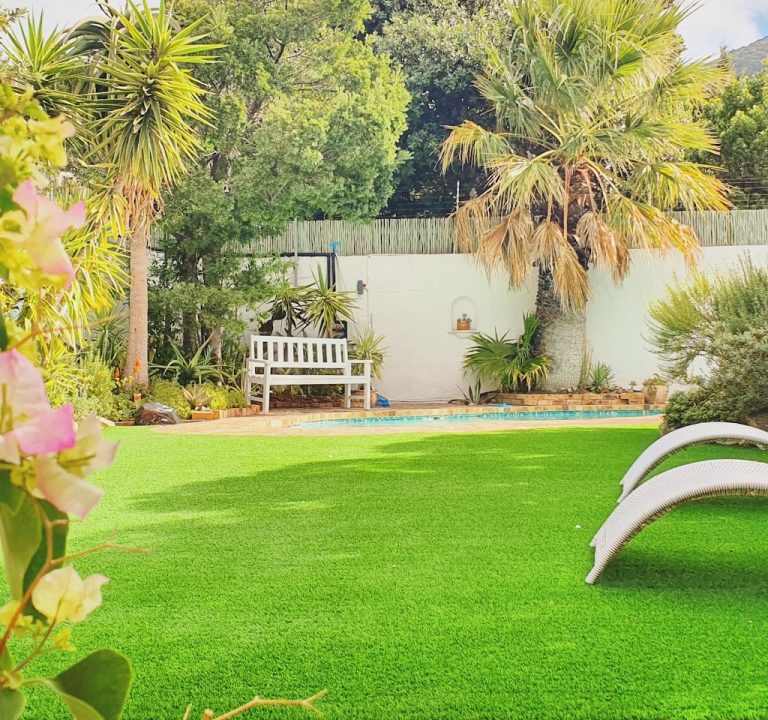
Typical amenities you might encounter include well-equipped kitchens or kitchenettes, complimentary Wi‑Fi, secure parking, housekeeping options, and access to outdoor spaces or swimming pools. Many properties also offer plunge pools, balconies with sea or mountain views, and on-site parking, which can be a real convenience given Cape Town’s hilly terrain and busy streets. When booking, think about what matters most for you: a strong Wi‑Fi connection for remote work, accessibility options, or proximity to your planned activities. Reading recent guest reviews can reveal how accurate the listing’s description is, how friendly the host is, and how responsive they are to requests during a stay.
Transport in Cape Town is straightforward if you plan ahead. The MyCiTi bus network covers many central routes and coastal pockets, while Uber and local ride-hailing services provide door-to-door flexibility. If you’re exploring beyond the immediate city, renting a car offers the freedom to visit the Cape Peninsula, the Cape Winelands, and nature reserves at your own pace. Some areas, particularly in the city centre and near the coast, are pedestrian-friendly but streets can be hilly, so consider your luggage and mobility needs when deciding whether to rely more on taxis or a car. South Africa’s plug and power standards are 230V, and many guesthouses provide adaptors as part of basic amenities, but it’s handy to bring a compact converter if you have multiple devices.
The best time to visit Cape Town is determined by what you want from the trip. Summer (December to February) brings long days, warm seas and a lively outdoor scene, ideal for beaches, outdoor markets and harbour activities. Autumn (March to May) and spring (September to November) offer comfortable temperatures for hiking up Table Mountain, touring the Cape Peninsula, and enjoying the city’s botanical splendour. Winter (June to August) is cooler and wetter, yet often quieter with lower rates in some districts and a different mood for exploration. If you are sensitive to busy periods, consider shoulder seasons when weather is pleasant and attractions are less crowded.
When planning a stay, keep practical priorities in mind. Consider the length of your trip and whether a self-catering apartment or a full-service hotel better suits your routine. If you intend day trips to the Cape Winelands, Constantia, or the peninsula, a base with easy access to major routes or public transport can save time. For families, look for properties with self-contained spaces and washing facilities. For couples or solo travellers seeking a stylish ambience, a well-located boutique hotel or a modern apartment with panoramic views can elevate the experience. Always check cancellation policies and any requirements for deposits, especially if your plans may shift.
During your stay, you’ll find Cape Town offers a broad spectrum of experiences, from beachside strolls to harbour cruises and garden routes in nearby areas. In terms of dining, you’ll discover a culinary scene that blends South African flavours with international influences. Many neighbourhoods host casual cafés, fresh seafood spots, and stylish eateries serving seasonal produce. While specific venues can change, you can expect options ranging from relaxed cafés with light meals to more refined dining rooms featuring modern takes on regional ingredients. For an overall sense of the place, look for a morning stroll along the promenades, a cable car ride to a landmark vantage point, or a neighbourhood stroll through colourful streets followed by a sundowner with a harbour view.
One practical option to consider is Victoria Beach Apartments, a self‑catering accommodation that offers a convenient base for visitors who prefer a home-from-home setup. This kind of apartment style can provide flexibility for longer stays, with kitchen facilities, living space and laundry options that suit families, couples or friends travelling together. For more details, you can explore the listing at the booking platform: http://www.booking.com/hotel/za/victoria-beach-apartments.en-gb.html
To help with planning, here is a brief checklist of what to look for when booking your stay:
- Location relative to planned activities and transport options
- Kitchen facilities and laundry availability for self-catering stays
- Safety features: secure access, good lighting, and neighbourhood safety reputation
- In-room comfort: sufficient storage, workspace, and climate control
- Reviews and host responsiveness for a smooth experience
Whether you are drawn to dramatic coastlines, cosmopolitan dining and markets, or wine estates within an easy drive, Cape Town offers a diverse range of bases to suit your style. By choosing a well-located accommodation, planning transport in advance, and balancing outdoor adventures with relaxed rest days, you can make the most of a stay in this captivating corner of the Western Cape.