Cape Town: A Guide to Staying Well and Exploring the Mother City
Cape Town is a destination that rewards thoughtful planning. From its dramatic coastlines and iconic mountains to vibrant neighbourhoods and wonderful dining, the best stays are the ones that align with how you want to move about and what you want to experience. Whether you favour a breezy sea-view guest house, a stylish boutique hotel, or a self-catering apartment, there are options to suit most itineraries and budgets.
When choosing where to stay, start by considering the key areas that shape access to sights and activities. The City Bowl and central Foreshore put you within easy reach of museums, markets, and a convenient transport network. The Atlantic Seaboard, including areas near Camps Bay and Sea Point, offers beachside scenery and a lively dining scene, with plenty of routes to Table Mountain and the Kirstenbosch Gardens for daytime exploration. Constantia, nestled in the foothills behind the city, is renowned for green scenery, wine estates, and quieter streets ideal for a relaxed base. For a maritime atmosphere and easy access to the V&A Waterfront, Green Point and Mouille Point are popular choices. Each area has its own character, so think about how you plan to structure your days when you book.
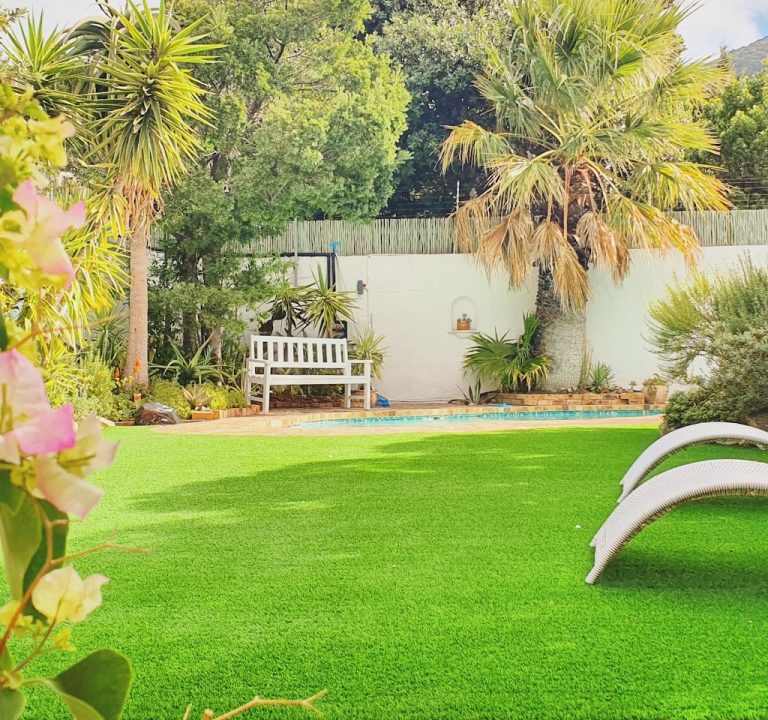
Accommodation options in Cape Town range from intimate guest houses and BnBs to guest-friendly boutique hotels and self-catering flats. Typical amenities you might encounter include en-suite bathrooms, free Wi‑Fi, a continental or full breakfast, off-street parking, and thoughtfully designed common spaces. Some properties offer additional touches such as garden terraces, outdoor pools, or cosy lounges with city or mountain views. If you are travelling with family or a group, look for larger suites or apartment-style units with kitchen facilities. One example worth considering is Brightwater Lodge, a guest house-style option that provides a personal touch and a comfortable base for exploring the surrounding area through its own means of transport and information resources. Always check recent guest reviews for details on cleanliness, noise levels, and the friendliness of staff.
Booking tips to help you secure the right stay:
- Check location against your planned activities. Proximity to Table Mountain cableway, coastal walks, or markets can save travel time.
- Review transport options. Some lodgings offer airport transfers, shuttle services, or guidance on safe public transport routes. In cities like Cape Town, a mix of ridesharing, taxi services, and careful driving can be practical.
- Consider the type of breakfast service. A good start to long days of sightseeing can be a cooked or substantial breakfast, especially if you’re heading out early to popular sights.
- Look at flexibility. If your plans are weather-dependent (for instance, mountain outings or coastal trips), a flexible cancellation policy can be valuable.
- Assess safety and access. Ground-floor rooms or lifts may be important for guests with mobility needs, and security measures such as safe parking or 24-hour reception can provide peace of mind.
Typical amenities to expect include reliable hot water, comfortable bedding, well-equipped desks or seating areas for planning days, and thoughtful extras such as locally sourced toiletries and guidance to safe, scenic routes. For longer stays, a well-equipped kitchenette or kitchenette facilities can add convenience and savings. If you prefer a more social atmosphere, a property with a shared lounge or garden often leads to easy conversations with hosts or fellow travellers. Always verify accessibility details and note any seasonal differences in service, such as heating in winter or air conditioning in peak summer months.
Transport and getting around Cape Town is straightforward but requires a bit of planning. The city offers a range of options, including reputable licensed taxis, ridesharing services, and a growing network of bus services. If you are exploring beyond the immediate city hub, renting a car can provide the most flexibility to visit places like the Cape Peninsula, Constantia wine routes, or outlying nature reserves. For day trips, consider tours that provide transport inclusions or routes that align with your stay’s proximity to the main sights. Always factor peak traffic times, particularly during the summer holiday season and around major attractions.
The best time to visit Cape Town is influenced by weather, light, and crowd levels. Spring (September to November) and autumn (March to May) offer pleasant temperatures and lighter crowds, making it ideal for outdoor activities and scenic drives. Summer (December to February) delivers longer days and vibrant coastal atmospheres, but popular spots can be busy. Winter (June to August) tends to be cooler and wetter, yet it also brings a different charm and fewer crowds, with excellent conditions for coastal walks and museum visits. Pack layers to accommodate the sharp changeable conditions, especially if you plan to ascend Table Mountain or explore the peninsula where wind and mist can roll in quickly.
When planning your itinerary, balance mountain adventures with ocean views, and weave in cultural experiences such as markets, galleries, and coastal walks. For dining, Cape Town’s restaurant scene focuses on fresh seafood, contemporary South African cuisine, and international flavours, with many venues offering outdoor spaces that showcase the city’s natural beauty. Reservations are advisable in peak periods, particularly for popular sunset spots with views across the Atlantic. For a well-rounded stay, pair a day of nature and viewpoints with a stroll through vibrant neighbourhoods, markets, and seaside promenades to soak up the city’s energy and hospitality.
Website reference for planning and ideas: Brightwater Lodge offers a taste of the guest house experience with a personal touch and convenient access to local transport and amenities. For other stays and inspiration, browse reputable booking platforms and the official tourism sites that highlight current events, seasonal tips, and practical advice for visitors in Cape Town and the Western Cape.