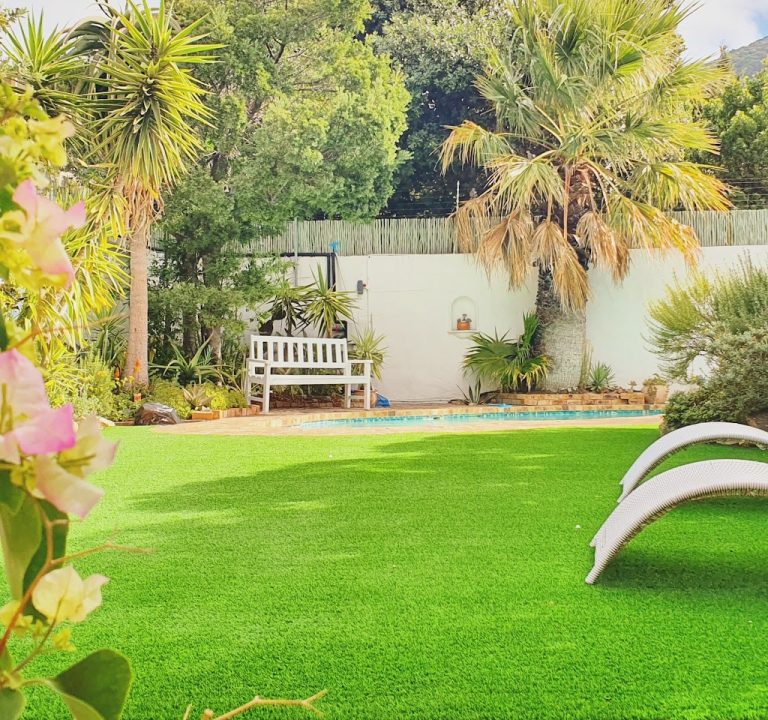
Cape Town: Where accommodation meets a world of experiences
Cape Town sits on the southern tip of Africa, a city that blends dramatic natural scenery with a vibrant urban culture. For visitors planning a stay, a thoughtful approach to accommodation can unlock easier transport, closer access to attractions, and a more immersive flavour of the Mother City. The Bay Lodge, a welcoming guest house in a convenient neighbourhood, illustrates how a well-located stay can become a comfortable base for exploring Cape Town’s diverse offerings.
When choosing where to stay, consider your priorities. If you want easy access to beaches and nightlife, neighbourhoods such as Camps Bay, Clifton, or Green Point may appeal. For a stay that’s more about culture, dining and city life, the City Bowl and the V&A Waterfront offer proximity to museums, galleries, and great dining options. For wine lovers and quieter days, Constantia and the southern suburbs provide leafy streets, boutique guest houses, and easy routes into the Constantia Valley’s renowned wine estates. Cape Town’s geography means some areas are more walkable than others, and a short ride can save time and hills after a day of sightseeing.
Typical amenities you might encounter include en-suite bathrooms, air conditioning or ceiling fans for summer heat, free fibre or Wi‑Fi, tea and coffee facilities, a small lounge or garden space, and secure parking. Guest houses often strike a balance between personalised service and privacy, with hosts happy to share local tips without feeling intrusive. In a city with variable weather, heating or cosy blankets can be a welcome touch on cooler evenings. If you’re travelling with family or a group, look for flexible room configurations—interconnecting rooms, family suites, or suites with a small sitting area can make longer stays more comfortable. For a few days, light self-catering options such as a kitchenette or access to a shared kitchen may be a practical bonus.
Booking considerations go beyond the room itself. Think about transport links, especially if you’re not planning to hire a car. The MyCiTi bus network offers city routes and connections to popular sights, and rideshare services are widely available. If you prefer the freedom of driving, check whether the property offers on-site parking or easy access to safe street parking. Proximity to attractions can reduce daily travel time; however, a slightly longer walk or a brief drive can sometimes be offset by better value or a quieter setting. If you’ll be visiting during peak seasons, booking well in advance is wise, as popular venues fill quickly and prices can rise closer to the date of stay.
Best time to visit Cape Town depends on your priorities. Spring (September to November) brings vibrant wildflowers, moderate temperatures, and pleasant coastal breezes. Summer (December to February) is lively, with longer days, warm seas suitable for swimming, and a bustle of outdoor markets and festivals. Autumn (March to May) offers cooler evenings and fewer crowds, with excellent conditions for outdoor activities and hiking. Winter (June to August) is milder than many northern destinations, often with strong winds and occasional rain, but still a good time to enjoy museums, cafés, and the city’s indoor attractions. For water‑based activities and scenic outdoor experiences, plan around the sea and mountain weather, and always check local forecasts closer to your trip date.
Attractions and experiences in Cape Town span natural beauty, culture, and gastronomy, all with a distinctive African flavour. You’ll likely want to explore dramatic sea cliffs and beaches, take a cable car up or down Table Mountain, and enjoy panoramic views from vantage points across the city. In the vicinity, wine estates offer serene tastings, and the surrounding townships and gardens provide insight into the region’s diverse history. Dining in Cape Town is notable for its emphasis on fresh, locally sourced ingredients and innovative presentation, with casual cafés and refined restaurants alike offering memorable meals. For a full day out, consider combining a scenic drive along the Atlantic Seaboard with a stop at a notable viewpoint or coastal town, followed by a visit to markets or galleries where local crafts and design are on display.
Practical planning tips to smooth your stay:
- Book accommodation with good access to the sights you plan to visit, and confirm the availability of on-site or nearby parking if you’ll be driving.
- Choose a base that suits your pace—some days may be filled with activities, others with slower explorations and café stops.
- Pack versatile clothing for variable weather, including a light waterproof layer for sea breezes and sudden showers.
- Respect local customs and safety advice, particularly when exploring busy areas at night or in crowded venues.
- Plan day trips with a rough timetable but leave room for spontaneity—Cape Town rewards those who wander beyond the guidebook.
For those seeking a comfortable, uncomplicated stay that supports easy exploration, a well‑located guest house such as The Bay Lodge can offer a friendly atmosphere, handy common spaces, and the flexibility to tailor your days around your interests. Whether you’re seeking world‑class scenery, cultural immersion, or memorable dining experiences, Cape Town invites you to design a stay that blends relaxation with discovery.