Soweto: where to stay, savour local flavours and plan a memorable visit
Soweto, in Gauteng, South Africa, offers a warm welcome and a rich tapestry of history, culture and everyday city life. When planning a stay, most visitors look for accommodation that feels welcoming, convenient and safe, with easy access to the township’s iconic experiences. Options range from intimate bed & breakfast spots to boutique guesthouses and modest guesthouses that put you close to local neighbourhoods, markets and museums. A well-situated stay can double as a base for exploring the area by day and returning to a comfortable retreat each evening.
Areas to consider when booking include the Vilakazi Street precinct, known for its historic houses and proximity to key cultural sites, as well as adjacent residential neighbourhoods that offer a quieter ambiance while still being bound to Soweto’s energy. Other appealing bases include corners near major transport links or legacy sites, where you can walk to nearby eateries, informal markets and friendly guided tours. When choosing an overnight option, think about how easy it is to reach the places you plan to visit, and whether the guesthouse or B&B aligns with your preferred pace of travel and desired level of interaction with locals.
Typical amenities to look for include comfortable en-suite rooms, reliable hot water, secure parking or good street access, and spaces to relax after a day of sightseeing. A well-run property often provides communal areas for socialising, simple breakfasts featuring local favourites, and staff who can help you arrange tours or suggest safe transport. If you value flexibility, check arrival times, breakfast options, and whether the property can assist with pre-booked experiences or outward-bound day trips. Some hosts can also share insider tips on lesser-known sights or neighbourhood eateries that aren’t on the usual tourist routes.
Transport in Soweto is varied and approachable. Many stays can help arrange trusted drivers for day trips or recommend safe taxi options. Public transport, while available, can involve longer journeys between districts, so it’s wise to plan your days with a rough timetable. If you prefer to explore on foot, choose a base within reasonable walking distance of your planned experiences, but always prioritise your safety and awareness of your surroundings, especially after dark. For longer excursions, consider a guided heritage or cultural tour that focuses on authentic community life, history and music, delivered by reputable operators or hosts.
Best time to visit Soweto tends to be during the South African dry season, roughly from May to September, when days are mild and rainfall is low. Spring and autumn offer pleasant temperatures for outdoor strolling and photography, and markets or open-air venues are usually lively. The summer months can be warmer and wetter, contributing to lush landscapes and vibrant markets, but it’s wise to plan for possible afternoon showers and to have flexible plans if rain disrupts outdoor activities. Booking well in advance is often helpful for peak periods or school holiday dates.
Practical tips for planning your stay in Soweto:
- Choose a base with reliable access to the sights you wish to see, and confirm whether there is on-site or nearby parking if you plan to hire a car.
- Look for hosts who can offer clear guidance on safety, transport options, and arranging authentic local experiences.
- Pack comfortable footwear for streets and markets, plus a light jacket for cooler evenings or morning visits.
- Discuss breakfast arrangements in advance if you rely on early starts for tours or day trips.
- Respect local customs and community guidelines when visiting residential areas or community projects.
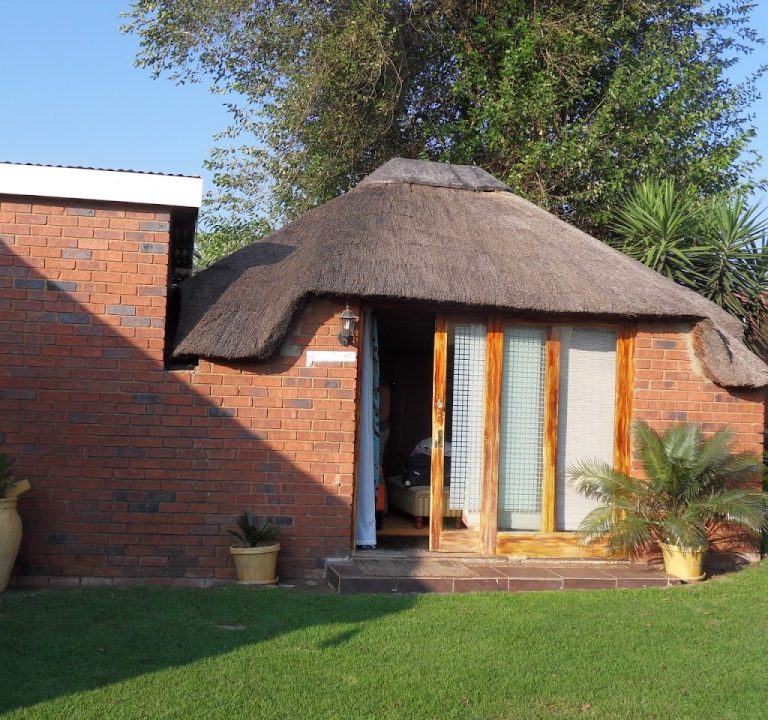
Accommodation examples in Soweto range from intimate bed & breakfast establishments to small guesthouses that celebrate hospitality and a sense of place. For readers curious about stays that typify Soweto hospitality, options such as Vhavenda Hill B&B illustrate the kind of personal, home-away-from-home experience that many travellers value: a cosy setting, attentive hosts and a focus on comfort after busy days out exploring. While each property differs, many offer straightforward rooms, a friendly atmosphere, and the opportunity to connect with fellow travellers and locals in safe, welcoming environments. Be sure to review recent guest feedback and confirm what features matter most to you, such as proximity to a particular transport hub, or the inclusion of breakfast before a day of sightseeing.
Attractions and experiences in Soweto generally centre on heritage, culture and daily life. Visitors can expect guided tours that shed light on historical milestones, local music and community projects, as well as museums and memorial sites that offer thoughtful context. Markets and casual eateries provide opportunities to sample traditional flavours and crafts in a friendly, laid-back setting. Dining in Soweto often emphasises hearty, home-style dishes and street-food-inspired bites, with many neighbourhood venues offering a relaxed atmosphere and warm hospitality. When planning meals, consider pairing restaurant visits with a gentle walk through nearby streets to absorb the rhythm of the neighbourhood and to observe daily life beyond the guidebook routes.
For planning inspiration, browse reputable travel sites and the accommodation’s own pages for suggested day trips, safe transport options and pointers to local experiences. A well-planned stay in Soweto blends comfortable lodging with authentic encounters, giving you growth-friendly insights into South Africa’s vibrant township culture while ensuring a restful, convenient base from which to explore. With careful selection of your area, amenities and transport options, your Soweto visit can be both enriching and easy to navigate, leaving you with lasting memories of hospitality, history and flavour.