Exploring Soweto: Accommodation, Transport, and Experiences for a Memorable Stay
Soweto, a sprawling township to the south-west of Johannesburg, offers a rich tapestry of history, culture and modern vibrancy. When planning a stay, consider areas that balance convenience with a sense of place. The central hubs near Vilakazi Street, handily close to museums and eateries, provide easy access on foot to key sights. For a quieter residential feel, select guesthouses in neighbourhoods a short taxi ride away from the main attractions. Bed and breakfasts in Soweto often blend traditional hospitality with contemporary comforts, giving visitors a welcoming base for daily excursions and relaxed evenings after busy days of sightseeing.
Accommodation options in Soweto range from charming B&Bs to intimate guesthouses and well-appointed lodges. Look for rooms that emphasise thoughtful touches—comfortable beds, secure access, reliable hot water, and adequate storage. A practical plan is to choose places that offer private or en-suite bathrooms, and most importantly, a reliable breakfast service that can fuel early starts for tours or hikes to viewpoints. Some properties also provide suggestions for local strolls, markets, and culinary highlights, which can be a helpful way to immerse yourself without having to map every detail yourself.
Transport is a practical consideration when booking. Many travellers prefer staying in areas with easy rides to the busiest sights, or in locations with straightforward access to public transport links and rideshare options. If you plan to self-guide your visit, check whether your accommodation offers parking or has a designated drop-off point for trips into central Johannesburg. For those who want a more relaxed pace, choosing a host with knowledge of local routes and time-saving tips can make day trips smoother and more rewarding.
The best time to visit Soweto depends on what you want to experience. The climate is mild in the spring and autumn, with summer bringing occasional showers and warm days. Winter is cooler but typically dry. Plan around local events if possible; public holidays can be lively and crowded, offering a rich sense of community, but they can also mean busier roads and limited availability in some guesthouses. If your schedule is flexible, shoulder seasons often provide a comfortable balance of pleasant weather and calmer attractions.
When you arrive, you’ll likely want to explore once the day starts; the day-to-day rhythm of Soweto blends history, culture, street markets, and hopeful signs of modern restoration. For many visitors, the appeal lies not only in iconic sites but in the everyday life you encounter along busy streets and in small eateries. A sensible plan is to allocate a full day to a guided or self-guided tour that covers key landmarks, with lighter days for wandering through markets, parks, and neighbourhoods. Keep in mind that some attractions are open on certain days or times, so a quick check ahead can help you craft a balanced itinerary.
Dining in Soweto is an essential part of the experience. Numerous informal eateries and family-run restaurants offer hearty, affordable meals that reflect local flavours and influences from across South Africa. Forsaking grand pretence for authentic, comforting dishes is common, and many venues prioritise warm hospitality and social atmosphere over formal service. If you crave a more polished setting, there are venues that focus on seasonal produce and modern twists while still keeping the sense of place. Asking your host or a local contact for recommendations can uncover hidden gems that aren’t listed in tourist guides; it’s often where you’ll find the friendliest conversations and the best value.
For a reasoned itinerary, consider mixing two or three anchor experiences with nearby cultural activities. A stay in Soweto can include visits to museums or heritage sites that tell the story of the town’s people and its pivotal role in South Africa’s past, followed by afternoons exploring vibrant markets or quiet parks. If you want a deeper dive into local history, plan your visits around opening hours and any guided tours that offer context and insight beyond what you can read in a guidebook. A well-rounded day might conclude with a traditional meal or coffee at a friendly, community-oriented venue, giving you a sense of how Soweto today blends memory with morning bustle and evening warmth.
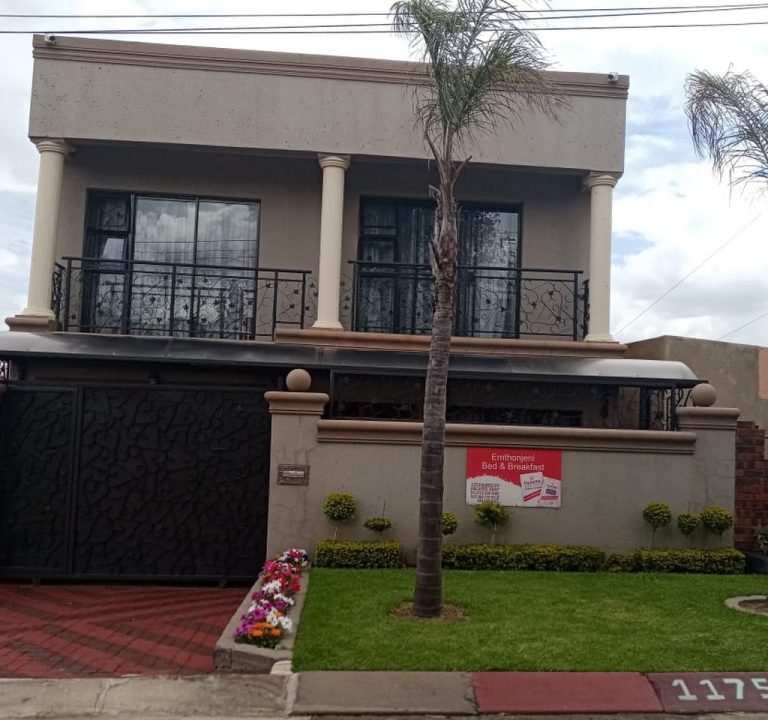
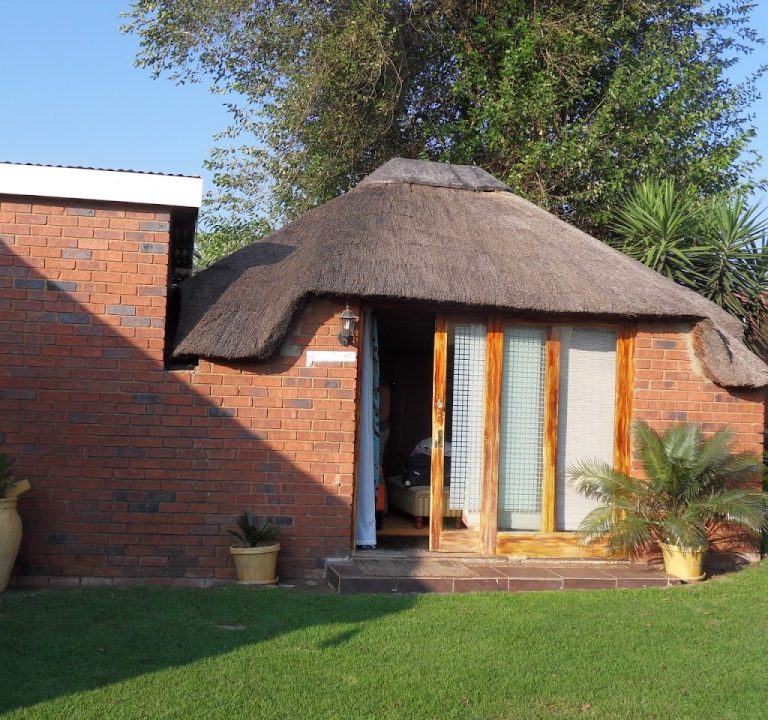
Motsolga Bed and Breakfast is an example of the kind of accommodation that can set a welcoming tone for a Soweto stay. It is worth requesting details about room configurations, breakfast options, and any guided excursions the host can arrange. When you book, consider what matters most to you: a good night’s sleep, a sturdy breakfast to power long days, easy transit options, and a host who can share practical tips for navigating local streets and timetable schedules. If you have specific needs—such as accessibility, dietary preferences, or late arrival arrangements—raising them in advance helps ensure a smoother stay.
- Areas to consider: Vilakazi Street vicinity for convenience and atmosphere; residential zones slightly further afield for quieter stays.
- Booking considerations: en-suite facilities, reliable breakfast, secure access, and helpful local guidance.
- Transport tips: rideshare apps, local taxis, and proximity to main routes or transit stops.
- Best time to visit: spring and autumn for pleasant weather; be mindful of public holidays and peak periods.
- Practical planning: check opening times for attractions, and plan a balanced mix of cultural experiences and free time.
For more information or to explore options, many hosts provide direct booking pages or links to their official websites. A well-chosen base in Soweto can enhance your understanding of South Africa’s past while offering a vivid sense of its present-day vitality, making your stay both enriching and comfortably convenient.