Staying in Soweto: accommodation ideas, attractions, and practical planning tips
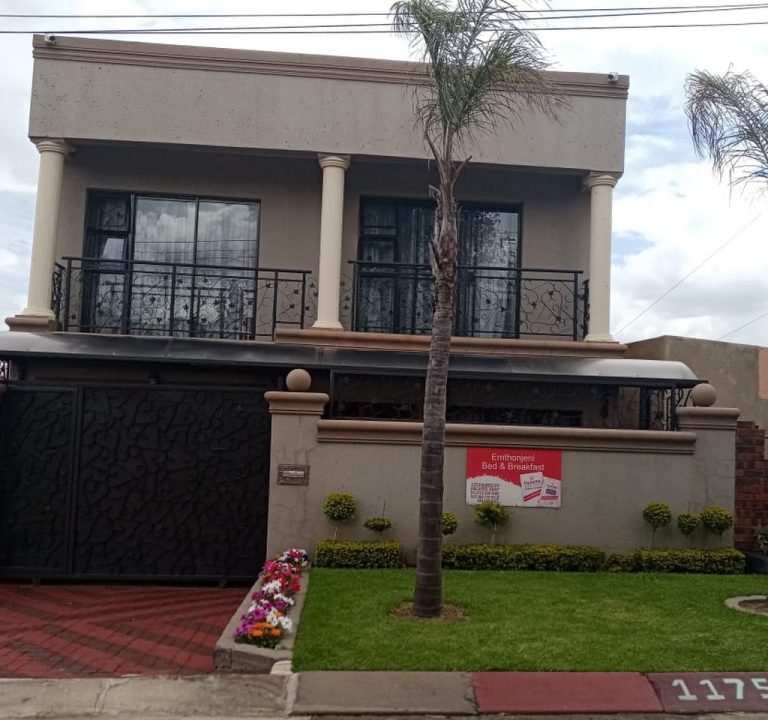
Soweto, in Gauteng, offers a rich mix of history, culture and contemporary city life, all set against a vibrant neighbourhood atmosphere. When planning a stay, consider not only where you sleep but how you’ll move, what you’ll eat, and which experiences will shape your visit. A range of options—from intimate B&Bs and guesthouses to stylish lodges and homely apartments—cater for different budgets and itineraries. A notable example is Nthateng Bed and Breakfast, which showcases indoor lodging in a welcoming, home-from-home setting. While choice varies, the focus remains on comfort, accessibility and an authentic sense of place.
Areas to consider for your base
- Vilakazi Street and central Soweto: Proximity to museums, heritage sites and lively eateries makes this area ideal for first-time visitors keen to walk to key sights and to soak up local culture.
- Orlando and surrounding neighbourhoods: A good choice for guests seeking a calmer residential vibe with easy access to transport links and leafy streets.
- Jabulani, Dobsonville or Protea Glen: These areas often offer more economical options while still placing you within reach of Soweto’s core attractions and public transport.
- Houghton and nearby Johannesburg perimeters: For travellers preferring a more upscale stay with broader dining options and quieter evenings, a short drive into the city can be appealing.
What to look for when booking
- Authenticity versus convenience: Some properties emphasise traditional decor and personal touches, while others prioritise modern conveniences. Consider what will help you feel at ease after a day of exploring.
- Access to transport: Soweto is well served by taxis, rideshares and bus routes, but some lanes can be busy. A lodging near a taxi rank, bus stop, or train station can save time and reduce hassle.
- Safety features: Check for secure entry, well-lit surroundings and staff availability. Many guesthouses and B&Bs in Soweto are small, which can enhance safety and personal attention from hosts.
- Meal options: Some properties offer breakfast or light meals, while others operate as self-catering or near-to-eat venues. If you prefer morning sustenance on-site, look for properties with kitchen access or a hosted breakfast service.
- Facilities and amenities: Look for reliable Wi-Fi, on-site parking if you’re driving, air-conditioning for warm days, and en-suite bathrooms for convenience.
Typical accommodation styles and what to expect
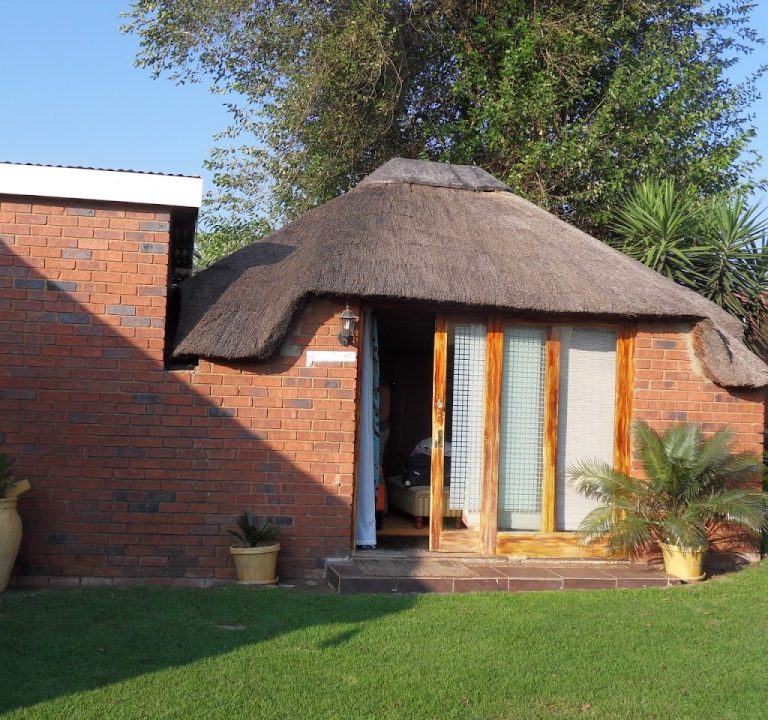
In Soweto, you’ll find a mix of characterful guesthouses, B&Bs with personalised service, and modest lodges that prioritise comfort and local flavour. Many properties are housed in traditional or renovated period buildings, offering cosy rooms, shared lounges, and garden spaces. Hosts often provide helpful tips on local markets, walking routes, and safe evenings out. It’s common to encounter spaces designed to feel welcoming and homely, with décor that nods to Soweto’s heritage and community spirit.
Transport and getting around
Within Soweto, you’ll typically rely on a combination of rideshare services, metered taxis and local minibus routes. If you’re staying near core hubs like Vilakazi Street, you’ll be able to walk to several attractions and bite-sized experiences, reducing the need for frequent car travel. For longer day trips or colleague-friendly itineraries, organising a transfer with your accommodation or a trusted local operator can simplify logistics. Should you hire a car, confirm parking arrangements in advance and be mindful of peak traffic times, particularly during weekday mornings and late afternoons.
Best time to visit
Spring and autumn offer pleasant temperatures for outdoor exploration, with fewer crowds than peak summer holidays. Soweto experiences cultural events throughout the year, so checking a calendar for local markets, music nights and food festivals can help shape your plans. If you’re visiting during school holidays, expect more activity in central areas and a welcoming buzz in guesthouse lounges and street markets.
What to do: attractions and experiences (in general terms)
Expect a focus on history, local life, and cultural storytelling. Museums and heritage routes illuminate South Africa’s past, while guided tours can provide context about the broader movement for social change. Outdoor spaces offer shaded lanes, markets with handcrafts, and opportunities to sample home-cooked meals or street-food staples. Walking tours, visits to community projects, and artisan workshops can offer meaningful, hands-on insights into everyday Sowetan life. Dining tends to celebrate bold flavours, with eateries that reflect a fusion of traditional and contemporary South African cuisine.
Practical tips for a smooth stay
- Plan a balanced itinerary: mix heritage sites with relaxed afternoons in leafy streets or local cafés to avoid fatigue.
- Respect local norms and practices: modest dress and respectful conduct on cultural sites help ensure a positive experience for everyone.
- Budget a little extra for transport: while some areas are walkable, rideshare or taxi costs are a practical consideration for longer hops or late returns.
- Stay aware of your belongings: choose accommodation with secure entry and keep valuables discreet, especially in crowd-heavy areas.
- Check accessibility and daily rhythms: some attractions operate with seasonal hours; morning visits often offer quieter experiences.
In summary, Soweto provides a welcoming canvas for visitors seeking authentic South African experiences paired with comfortable, thoughtful accommodation. Whether you opt for a snug B&B like Nthateng or another guesthouse with a homely atmosphere, the key is to plan around transport, safety and genuine engagement with the neighbourhood. With careful selection of base areas, sensible planning of days, and an open mind to local flavours, your Soweto stay can be as enriching as it is enjoyable. For more information on accommodation, look for properties that emphasise guest comfort, community orientation, and accessible transport links, and consider booking through official tourism pages or trusted accommodation platforms to secure a well-supported stay.