Accommodation and Experiences in Thohoyandou, Limpopo: A Practical Guide for Visitors
Thohoyandou in Limpopo offers a steady blend of comfortable guesthouses, lodges and hotels, set against a backdrop of vibrant markets, wildlife reserves and rich cultural heritage. When planning a stay, consider the surrounding areas such as the town centre for easy access to amenities, and leafy residential neighbourhoods that tend to feel quieter and more relaxed. For a weekend break or a longer exploration, Thohoyandou provides a balance between convenient bases and authentic local flavour.
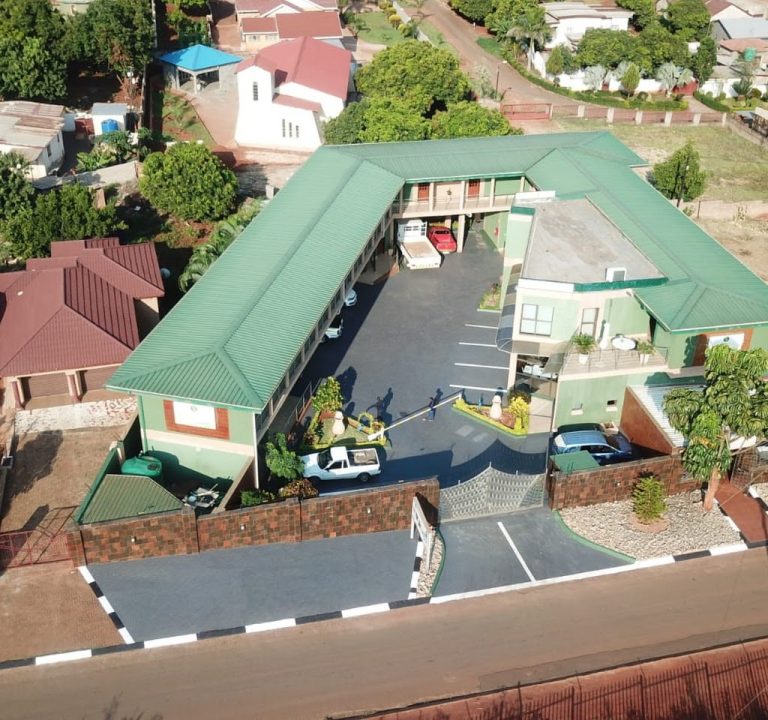
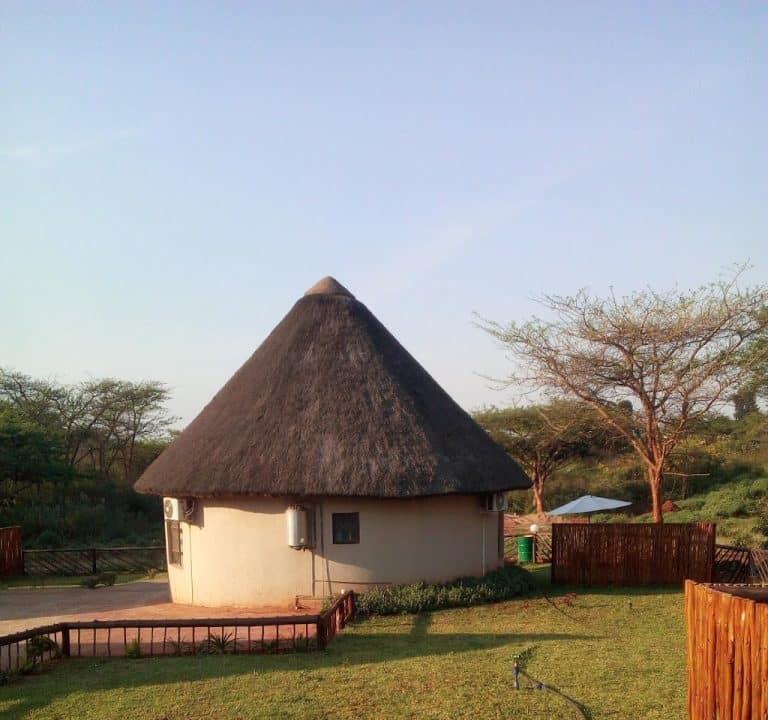
In terms of accommodation, you’ll find a range of options from intimate Bed and Breakfasts to larger hotels. A notable option is Vhafamadi Bed And Breakfast, which can be a good base for travellers seeking a friendly, home-style atmosphere with personalised service. When selecting a place to stay, look for clean, well-maintained rooms, reliable hot water, quality bedding, and clear information about check-in procedures. If you’re visiting during the warmer months, air conditioning or good ceiling fans can make a real difference, while practical features such as secure parking and a well lit exterior contribute to peace of mind after dark.
Booking considerations include location relative to the sights you plan to visit, as well as access to transport. Thohoyandou is a hub for local taxis and ride-hailing services, but early planning helps with timing, especially if you’re aiming to visit more distant areas or nature reserves. If you drive, check on parking availability and any access restrictions around busy market days. For those preferring to travel with a bit more structure, some properties offer guided tours or can arrange excursions to nearby landmarks, wildlife areas, or cultural experiences. Always read guest reviews carefully for practical insights on noise levels, housekeeping consistency, and the responsiveness of staff.
Typical hotel and guesthouse amenities you might expect include comfortable en-suite bathrooms, light self-catering facilities, and access to a shared lounge or dining area. Many properties offer breakfast, and some may provide a regional or continental spread highlighting local flavours. Wi‑Fi reliability is a common consideration, particularly for travellers who need to stay connected or work remotely for part of their trip. If you value outdoor spaces, look for properties with courtyards or verandas where you can unwind after a day of sightseeing. Accessibility features vary, so if you require step-free access or a quieter room away from street noise, it’s worth requesting these specifics in advance.
Transport planning is a key part of your itinerary. Thohoyandou is well positioned for day trips to nearby natural areas and cultural centres. If you prefer not to hire a car, check whether your accommodation can arrange transfers or connect you with reliable local drivers. Public transport options can be limited outside the town centre, so having a flexible plan is helpful. Within the town, compact streets make walking practical for short hops to markets, cafés and eateries, but for longer visits to surrounding reserves or the Venda region, a car can offer the most straightforward rhythm to your day. If you enjoy cycling, some guesthouses may be able to suggest scenic, safe routes or provide secure bike storage.
The best time to visit Thohoyandou generally aligns with the region’s favourable climate. The dry season, typically from late spring to early autumn, often features pleasant days and cooler evenings, ideal for outdoor exploration and wildlife viewing. The rainy season brings lush landscapes and occasional showers, which can be equally rewarding for those who don’t mind brief downpours. For cultural events and markets, planning around local schedules can enhance your experience, but it’s wise to check whether major festivities or harvest celebrations are kicking off during your stay.
When it comes to area choices, think in terms of pace and convenience. The town centre offers easy access to markets, shops and eateries, making it practical for travellers who want to stroll to meals or pick up essentials. If you prefer a more serene stay, look for properties on the quieter fringes or in adjoining suburbs where traffic noise is reduced and the evenings feel calmer. If access to nature is a priority, identify accommodation that’s a short drive from nearby parks or viewpoints, allowing you to wake up and step straight into outdoor adventures.
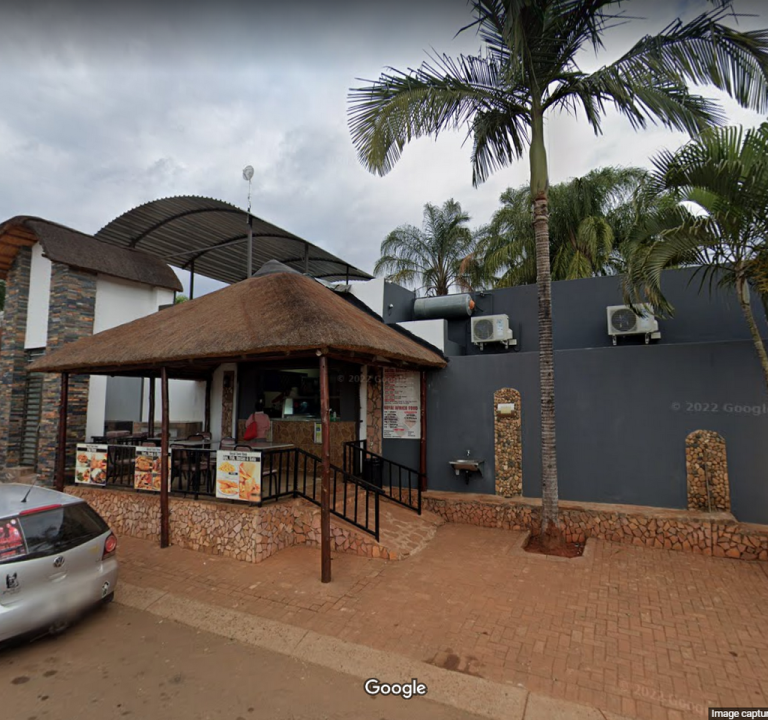
Eating out in Thohoyandou is a chance to sample local flavours and friendly hospitality. Restaurants in the area typically emphasise fresh ingredients and traditional dishes, alongside more contemporary options. It’s common to encounter menus featuring regional favourites and everyday meals suitable for a quick lunch or a relaxed dinner. For a seamless experience, consider booking ahead on busy nights during weekends or market days, and don’t hesitate to ask hosts or hotel staff for insider recommendations on the best-value places to eat and drink nearby.
- Book in advance for peak periods, especially if you require specific room types or accessibility features.
- Ask about transport arrangements and whether the property can organise transfers or guided excursions.
- Check reviews for practical details such as noise, cleanliness and response times from hosts.
- Confirm breakfast options and any dietary requirements ahead of your arrival.
- Plan a balanced itinerary that includes markets, cultural sites and nearby nature areas to get a well-rounded sense of Thohoyandou.
For further planning, visit the property websites or trusted travel guides that outline regional highlights. A stay in Thohoyandou can be a gateway to experiencing the Venda heartland, with opportunities to learn about local customs, taste traditional dishes, and enjoy the natural beauty of Limpopo. With thoughtful preparation, your visit can be comfortable, enriching and memorable.