Thohoyandou: A guide to accommodation, attractions and local delights
Set on the edge of the Limpopo Valley, Thohoyandou offers a mix of comfortable stays and easy access to nature, culture and warm South African hospitality. When planning a visit, consider staying in the town centre for convenience, or choose a retreat on the outskirts for a calmer ambience and easier access to surrounding wildlife reserves and landscapes. The town is well placed for day trips to natural reserves, market towns and the broader Waterberg area, making it a practical base for travellers who want variety without long daily drives.
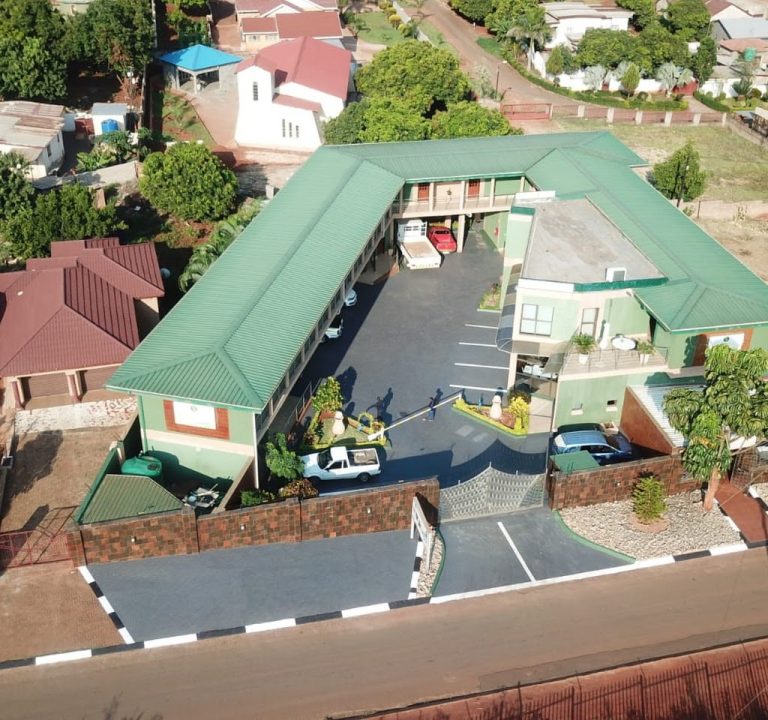
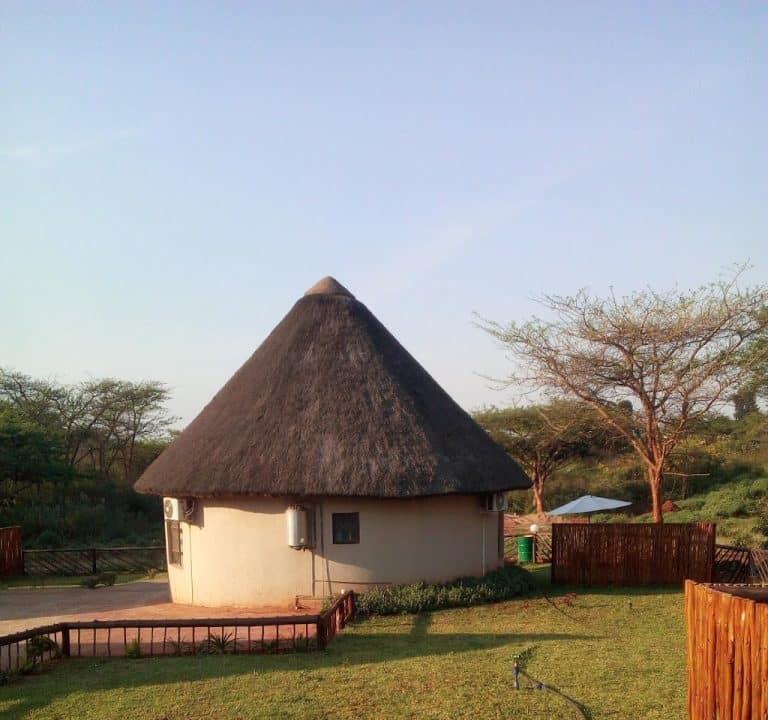
Accommodation options in Thohoyandou span from modest guesthouses and boutique B&Bs to mid-range hotels that can provide reliable comfort with practical amenities. Many properties aim to create a welcoming, home-from-home atmosphere, with on-site parking, breakfast options and friendly staff who can offer local insights. For visitors who value a sense of security and consistency, a recognised hotel or lodge in the town centre often provides predictable service levels and straightforward access to shops, eateries and transport links. If you prefer a more intimate stay, a guesthouse or small lodge outside the main streets can deliver a personalised experience and a sense of place, often including garden spaces or outdoor seating where you can unwind after a day of exploring.
When choosing where to stay, think about how you plan to move around. Thohoyandou has a compact town layout, but some areas are best accessed by car. If you are relying on public transport, check proximity to main roads and local taxi services, and ask hosts about reliable routes to nearby sights. For travellers with limited time, a stay near the market, the town centre or the university precinct can reduce travel time and keep you within easy reach of eateries and practical facilities. Consider whether you want a stay with walking access to cafés and small shops or a quieter neighbourhood hotel with easy parking.
Typical amenities you may encounter include free breakfast or continental options, in-room coffee and tea facilities, fans or air conditioning, en-suite bathrooms, reliable Wi-Fi, and sometimes aRefreshment bar or small fridge. Outdoor spaces such as courtyards or verandas, and shaded areas for relaxing in the heat, are common in warm seasons. Some properties provide secure parking, onsite dining or barbecue areas, and assistance with arranging activities or tours. When booking, clarify what is included in the rate—whether breakfast is served, and what time it starts—as well as the policy on cancellations, as local travel plans can shift with weather and seasonal events.
Transport within and around Thohoyandou can affect your overall experience. If you plan to visit surrounding areas or nature reserves, a car is often the most flexible option, allowing you to set your own pace and explore at times when crowds are lighter. For shorter stays, ask your host about reliable local taxi services or ride-hailing options, and whether they can arrange transfers from nearby hubs. If you have a long-haul itinerary, consider how you will reach the next stop and whether your route crosses busy rural roads or scenic byways. Pack a light, versatile wardrobe suitable for hot days and cooler evenings, plus sun protection for afternoons spent outdoors.
The best time to visit Thohoyandou depends on your interests. The region experiences warm summers and cooler evenings in autumn and winter. If wildlife or outdoor activities are a priority, the drier winter months can offer clearer skies and lower humidity, which can make day trips and excursions more comfortable. The wet season brings lush scenery; however, some rural roads can become swampy or less accessible after heavy rain. It is wise to check local weather patterns ahead of travel and have flexible plans in case weather affects road access or outdoor activities.
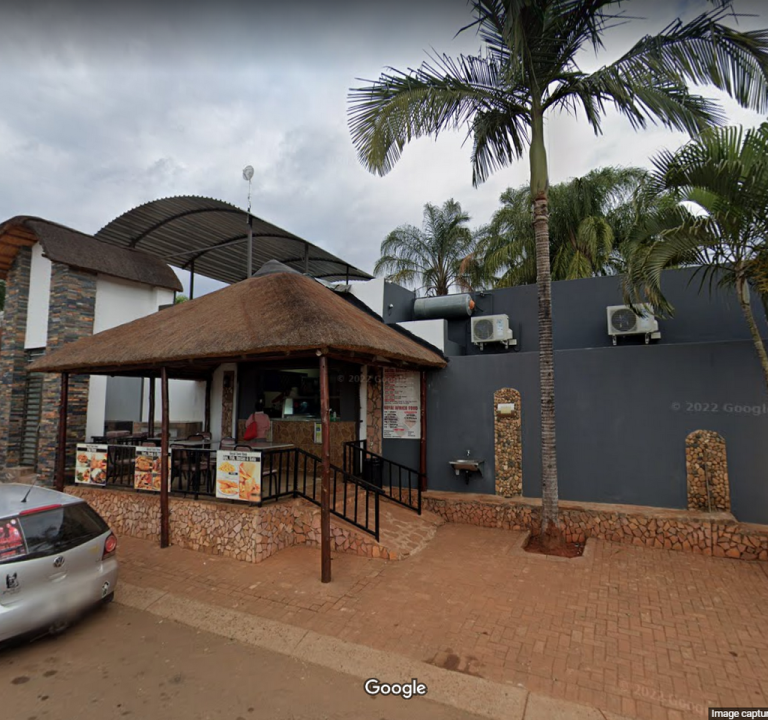
When planning activities, balance cultural experiences with nature and scenic drives. Though specific attractions and restaurants may change over time, you can expect opportunities to explore local markets, craft stalls and cultural centres that reflect the region’s heritage. Visitors are usually welcome to learn about traditional crafts, sample regional flavours and observe everyday life in a respectful, low-key way. For dining, seek out informal eateries and family-owned guesthouses or small restaurants where you can enjoy simple, well-prepared meals and friendly conversation with locals. If you are seeking guidance on day trips, ask your accommodation host for a personalised plan—many hosts are happy to tailor suggestions to your interests and travel pace.
Useful planning tips:
- Book in advance during peak travel seasons or university events, but stay flexible in case of local weather or transport disruptions.
- Ask about on-site amenities that affect your stay, such as parking, quiet rooms, or late-check options.
- Clarify meal arrangements and whether you might access nearby cafés or markets for lighter meals.
- Inquire about recommended day trips, and whether hosts can assist with local guides or transport arrangements.
For further inspiration, visit regional tourism resources for Limpopo to discover maps, recommended routes and general tips for travellers heading to Thohoyandou and the surrounding areas. A thoughtful plan that balances comfortable lodging with modest travel time can help you immerse in the region’s hospitality, culture and natural beauty while keeping logistics straightforward.