Accommodating Thohoyandou: where to stay, plan your visit and enjoy the region
Thohoyandou, in the heart of Limpopo, offers a mix of self-catering retreats, guesthouses and modest lodges that suit a variety of itineraries. When planning a stay, it helps to think about which area best matches your activities, how you will get around, and what kind of atmosphere you prefer—from quiet countryside corners to convenient access near markets and main roads. A growing number of lodgings in and around Thohoyandou aim to provide comfortable rooms, kitchen facilities, and helpful local information to make you feel more at home during your South African break.
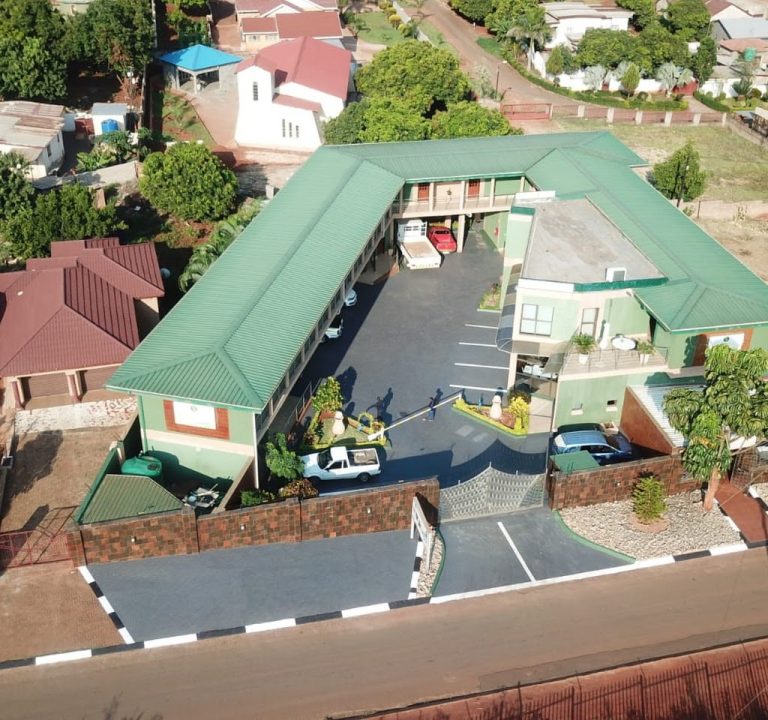
Accommodation options span self-catering units, family-friendly guesthouses and smaller boutique-style lodges. Self-catering properties, such as those marketed for longer stays, typically feature kitchen facilities, living spaces and secure parking. Ha dzibs, for example, is known in some circles as a local self-catering option that emphasises practical comfort for guests who prefer to prepare their meals. When choosing a place to stay, consider layout and capacity, the availability of private outdoor space, and whether the kitchen is stocked with essential utensils and a few basics. If you are visiting with family or a small group, a unit with separate bedrooms and a living area often proves more convenient than a single-suite room.
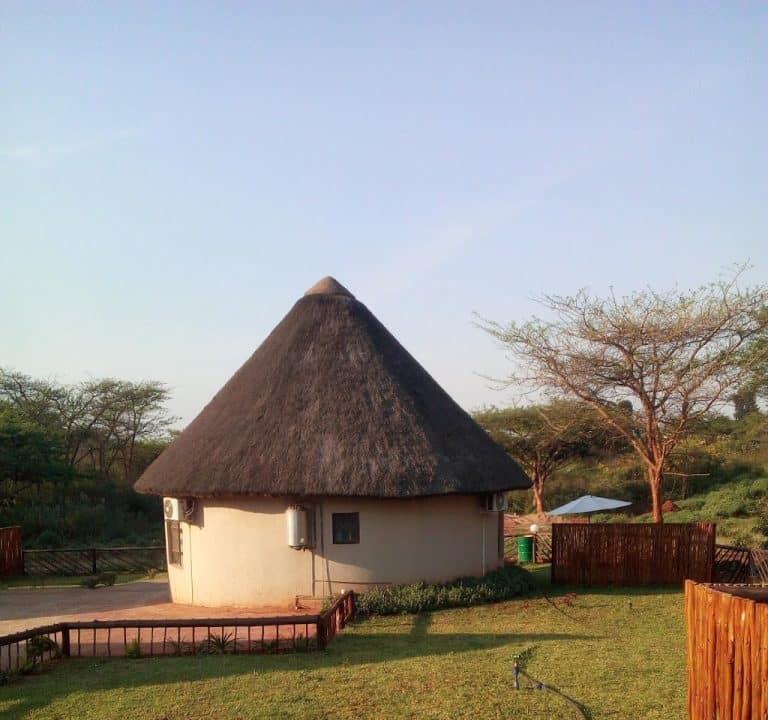
Areas to consider include entrances close to the Limpopo Province’s rural scenery, with views of rolling landscapes and proximity to the town’s amenities. Staying near the main thoroughfares can help with access to shops, markets and the local transport links, while more rural pockets may offer a calmer base and easier access to nature walks and cultural experiences. If you plan day trips to nearby reserves, cultural centres or markets, choose a base within reasonable driving distance to minimise long transfers after a day out.
Typical amenities you might encounter include secure parking, complimentary Wi‑Fi, clean en-suite bathrooms, air‑conditioning or fans for warm days, and either a communal kitchen or an equipped kitchenette in self‑catering units. Some properties provide laundry facilities, outdoor barbecue spaces, and shaded seating areas—features especially appreciated by travellers who prefer to spend time outdoors. A few establishments may offer breakfast baskets or light provisions on request, while others expect guests to handle meals independently in a self‑catering setup. Always confirm what is included and what you may need to bring with you when you book.
Transport within and around Thohoyandou is practical if you plan to explore beyond the town centre. Car hire is a common choice for visitors who wish to move at their own pace and reach nearby attractions, while taxis and local shuttle services can be useful for shorter trips or evening plans. If you are self-catering, factor in the convenience of groceries—checking whether your accommodation is close to supermarkets or local markets can save time during your stay. Mobile networks and Wi‑Fi availability may vary, so it’s sensible to have a data plan or a backup option for navigation and research on the go.
The best time to visit Thohoyandou tends to align with the region’s climate and activities. The dry season, typically from May to August, brings clearer skies and comfortable daytime temperatures, making it ideal for outdoor exploration, village visits and nature safaris in adjacent parts of Limpopo. The shoulder months of late winter to early spring can offer pleasant conditions for walking tours and cultural experiences. The wet season, from November to March, brings regular showers and lush scenery, which can be beautiful but may affect road conditions; plan extra travel time and consider flexible itineraries if you intend to visit rural or uneven terrain.
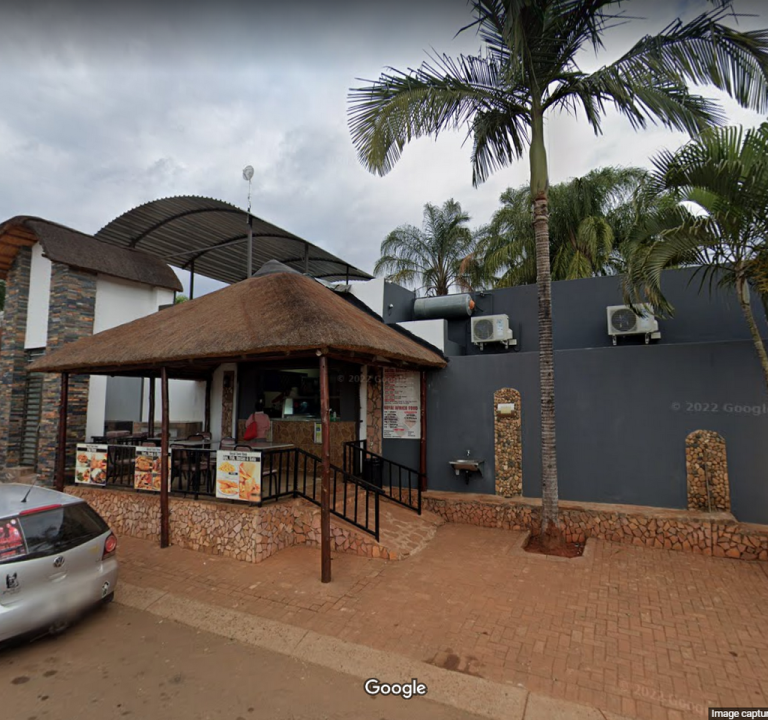
What to do and see in and around Thohoyandou ranges from exploring markets and cultural hubs to nature-watching and day trips. Visitors often enjoy wandering to observe daily life, sampling local foods at informal eateries, and learning about the region’s heritage in nearby cultural centres. If you have more time, consider excursions to nature reserves, game viewing areas or scenic viewpoints nearby. When it comes to dining, many visitors favour informal restaurants and cafés where you can sample straightforward, well‑prepared meals and perhaps savour local staples. As you plan, bear in mind that prices, menus and hours can vary, so it’s helpful to check current details online or ask your hosts for recommendations.
Practical planning tips for a smooth stay:
- Book as far in advance as possible in peak travel periods to secure preferred accommodation and spaces with kitchen facilities if you need self‑catering.
- Clarify what amenities are included (air‑conditioning, laundry, parking) and whether access to communal areas is shared or private.
- Confirm the proximity to markets, shops and transport hubs to minimise daily travel time.
- Ask for local tips on safe walking routes, scenic drives and culturally respectful etiquette when visiting villages or markets.
- Plan a flexible itinerary to accommodate possible weather changes, especially during the rainy season.
Whether your aim is a relaxed countryside retreat or a practical base for exploring northern Limpopo, Thohoyandou offers options that can be tailored to different styles of travel. By selecting a well‑located, well‑equipped accommodation and balancing your days between restful evenings and light excursions, you can make the most of what this region has to offer in a way that suits your pace and interests. For up-to-date details on specific properties and local experiences, visiting the providers’ own websites or trusted travel platforms will help you compare options and plan a well‑rounded stay.