Staying in Cape Town: accommodation, areas to consider, and how to plan your visit
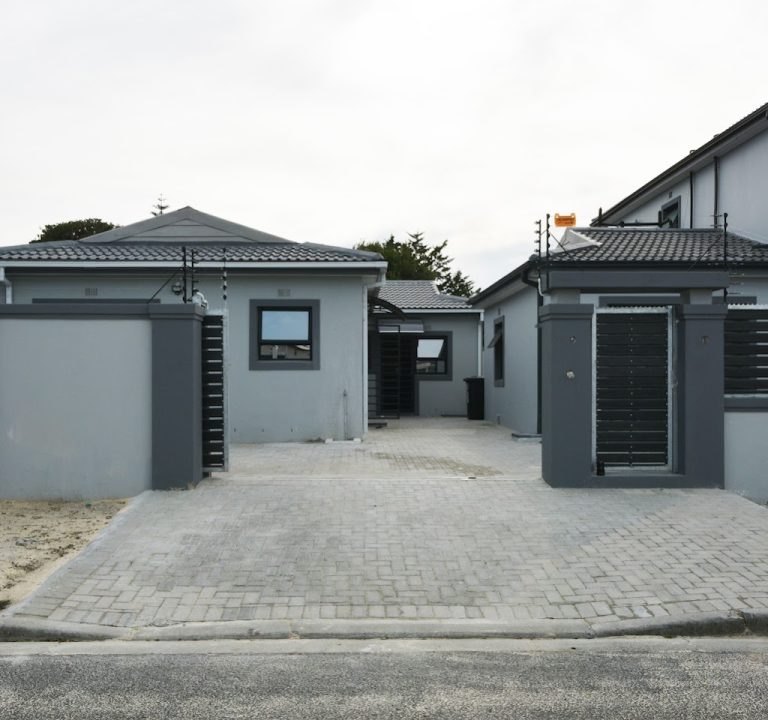
Cape Town offers a diverse mix of places to stay, from stylish city-centre apartments to relaxed seaside villas and guesthouses perched on the slopes of Table Mountain. When planning a visit, think about what kind of base will suit your itinerary, the pace you want, and the experience you’d like to curate. Whether you are drawn to the colour and energy of the city bowl, the coastal calm of the Atlantic Seaboard, or the leafy quiet of the Constantia Valley, there are accommodation options to fit every mood and budget. A villa such as Vera block A Bougain Villas can illustrate the appeal of private space with easy access to nature and attractions, alongside the convenience of nearby amenities.
Areas to consider when selecting where to stay include:
- City Centre and the V&A Waterfront: ideal for first-time visitors who want proximity to museums, dining, nightlife, and hop-on-hop-off tours.
- Sea Point and Bantry Bay: a lively, walkable stretch with ocean views, promenades, and convenient transport links.
- Camp’s Bay and Clifton: upscale beaches, scenic drives, and premier sunsets, best for a glamorous break or romantic stay.
- Observatory and the Southern Suburbs: a more bohemian quarter with bohemian eateries and easy access to wine regions and hiking trails.
- Constantia Valley: tranquil, green landscapes, luxury guesthouses and villas, and easy access to wine routes and nature trails.
When booking, look for practical features that improve your stay. A comfortable bed with quality linens, reliable Wi-Fi, secure parking, and clear house rules are always worth confirming. If you plan to explore by car, check whether the property provides on-site parking or garage access. For those preferring public transport, verify nearby MyCiTi bus routes or train connections, and consider proximity to famous sights you want to visit, such as nature reserves, botanical gardens, or historic sites. Some properties also offer pool areas, outdoor terraces, or garden spaces—perfect for younger travellers or guests seeking downtime after busy days of sightseeing.
Typical amenities you may encounter include:
- Self-catering kitchens or kitchenette facilities, enabling flexible meal options for families or longer stays.
- En-suite bathrooms with quality towels and toiletries, plus heated towel rails in cooler months.
- Air conditioning or ceiling fans, particularly important for warmer seasons.
- Security features such as gated access, CCTV, or on-site staff, providing peace of mind.
- Laundry facilities, which can be a practical bonus for longer trips.
- Outdoor spaces such as balconies or patios with seating for al fresco dining with mountain or sea views.
Best time to visit Cape Town depends on what you want from your trip. The city enjoys year-round appeal, but late spring (October to December) offers vibrant colours and milder temperatures, while summer (December to February) brings warmer seas and long days ideal for beachgoers. Autumn (March to May) provides quieter streets and good light for photography, and winter (June to August) can be cooler and wetter, yet it offers a different energy and fewer crowds. If wildlife or hiking is on your list, align your visit with the seasons when flora and fauna interests peak in the surrounding nature reserves and winelands nearby.
Practical tips for a smooth stay in Cape Town:
- Plan in advance for popular times and book well ahead if you want a specific villa, boutique guesthouse, or waterfront apartment.
- Factor in travel time between areas; traffic can be heavier during peak hours, especially around the city bowl and coastal routes.
- Consider a mix of accommodation types during a multi-stop trip—perhaps a city stay for culture and dining, followed by a relaxed villa near the winelands or the coast for downtime.
- Budget for seasonal variations in room rates and the availability of premium periods such as school holidays or major events.
- Check for flexible cancellation policies and clear communication about entry instructions, house rules, and check-in processes.
- Expect to negotiate with hosts on when and how to access guest spaces, particularly for self-contained units versus shared properties.
Attractions and restaurants in Cape Town generally fall into easy reach from most bases. In the city, you can plan days to combine panoramic viewpoints, cultural institutions, and markets with relaxed dining experiences that highlight local ingredients. Outdoor lovers can tailor days around nature walks, coastal paths, and scenic drives. For meals, you’ll find a range of dining options from casual eateries to refined establishments that celebrate South African produce, with menus often rotating to reflect seasons. Many visitors prefer to explore a few neighbourhoods on foot or by short taxi or rideshare journeys to keep evenings flexible and avoid parking concerns. For inspiration, reputable tourism sites and local guides can provide current recommendations and discovery routes to suit different interests and pacing.
Ultimately, a well-planned Cape Town stay blends comfortable accommodation with a thoughtful itinerary that respects local rhythms and the city’s spectacular surroundings. By choosing a convenient base, considering ferrying options or road trips to nearby wine routes, and balancing time between beaches, mountains, and urban experiences, you can craft a memorable and distinctly Cape Town stay that feels both easy and enriching. Whether you are drawn to a private villa like Vera block A Bougain Villas or a boutique B&B tucked away in a leafy precinct, Cape Town rewards travellers who plan with flexibility and curiosity.